REVIEW · ARUBA
Aruba 2-Seater UTV Tour Adventure with Kini Kini
Book on Viator →Operated by Kini Kini Transfer & Tours · Bookable on Viator
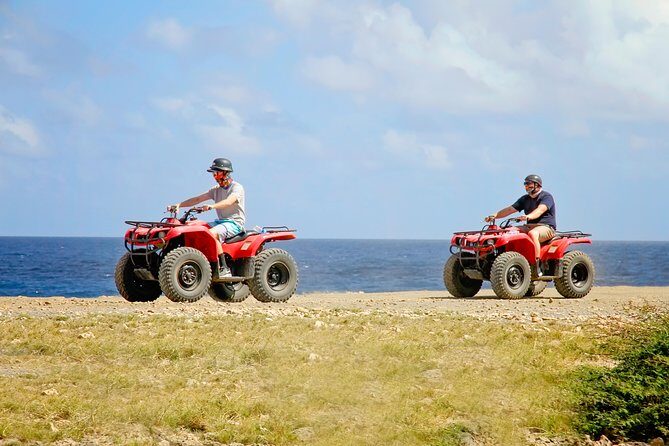
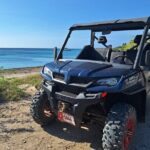
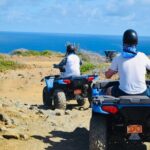
UTV riding makes Aruba feel like a movie. You’ll drive your own 2-seater over bumpy ground, then break for views and swims at spots like Alto Vista Chapel and Wariruri Beach. I love the small-group cap (10 max) that keeps the ride personal, and I love how guides like Gabriel and Nahim turn the stops into fast, fun context—without turning it into a lecture. One heads-up: this is a physical, dusty adventure, so you’ll want the right gear and a calm attitude for rougher sections.
For me, the best part is the mix: quick history stops on the north side, then real off-road time where you can see how Aruba’s interior changes fast. The tour also includes pickup from many hotels or the cruise port, plus bottled water and safety equipment—so you’re not scrambling right before you start. If you’re expecting a smooth, paved-car sightseeing loop, you may find the terrain more intense than you planned.
In This Review
- Quick hits before you go
- Entering Aruba’s Off-Road Rhythm: What the UTV Day Actually Feels Like
- Price and Value: Why $100 Feels Fair for a 4-Hour UTV Run
- Meeting Up in Oranjestad: Where to Start and How to Get Ready
- What You Can Drive: Aruba’s 18+ Rule and Realistic Fitness Expectations
- Stop 1: Alto Vista Chapel for Hilltop Views and a Quick History Break
- Stop 2: Wariruri Beach (Baby Natural Bridge) and When Swimming Makes Sense
- Stop 3: Bushiribana Ruins and the Gold Rush-Era North Coast
- Stop 4: Casibari Rock Formations, Cave-Painting Context, and Natural Pool Conditions
- On the Road With the Guides: Safety, Timing, and Photo Help That Actually Works
- Dust, Sun, and Gear: The Stuff That Makes or Breaks Your Comfort
- Who This Tour Fits Best (and Who Should Rethink It)
- Should You Book Kini Kini’s Aruba 2-Seater UTV Adventure?
- FAQ
- How long is the Aruba 2-Seater UTV tour with Kini Kini?
- What does the tour cost?
- Is pickup and drop-off included?
- What is the maximum group size?
- Are the stop admissions included?
- What should I wear and bring?
- Can a child drive the UTV?
- What safety equipment do I get?
- Where does the tour start?
- Does the tour run in bad weather?
Quick hits before you go
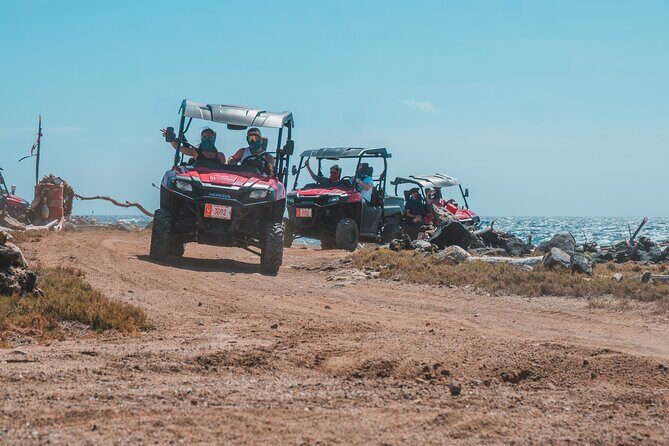
- 2-seater UTV adventure, not a bus tour: you drive and feel the terrain firsthand
- Max 10 travelers: easier pacing, more attention, more time for photos
- Free stop entry at major viewpoints and ruins
- North-coast highlights in one half-day: chapel views, Baby Natural Bridge, Goldmill ruins
- Dust management matters: goggles and a face cover are a real-life need
- You’ll learn Aruba’s story fast through guides such as Gabriel, Myron, Poncho, and Rasta
Entering Aruba’s Off-Road Rhythm: What the UTV Day Actually Feels Like
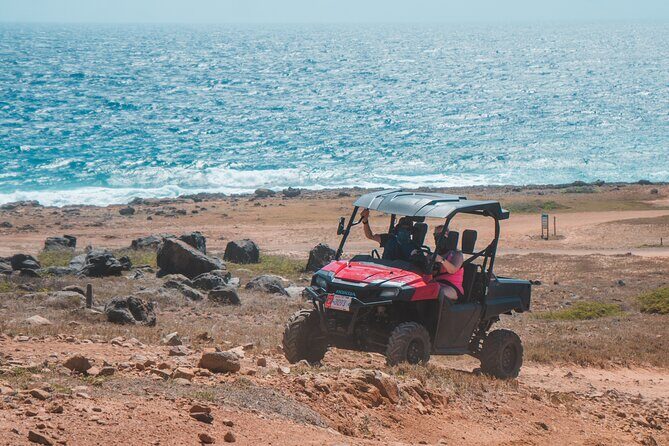
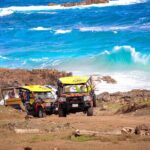
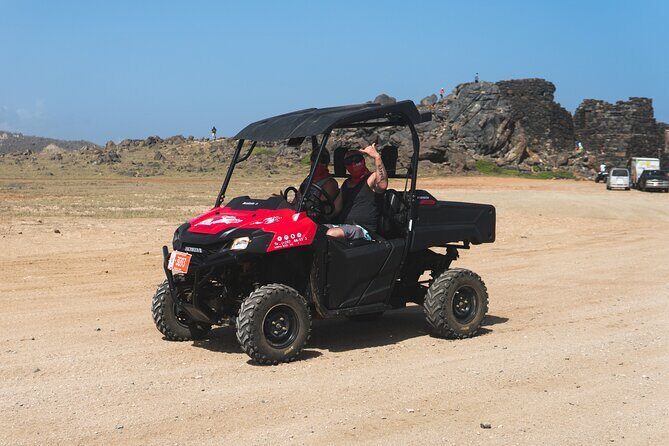
This tour is built for people who want Aruba in motion. In about four hours, you get a real “north side” run that mixes road driving with off-road paths, so you don’t just see the island—you also feel it.
If you’ve never driven a UTV before, it still makes sense. The key is that you ride with a local guide who controls the group, sets expectations, and gives you the driving basics at the right moment. In the process, you’ll spend more time watching your line and less time worrying what comes next.
I also like that the tour is designed around short stops. Each stop is long enough to get photos and stretch your legs, but short enough that you’re not stuck waiting around. That keeps the energy up and helps the day stay fun instead of tiring.
Other UTV & ATV tours we've reviewed in Aruba


Price and Value: Why $100 Feels Fair for a 4-Hour UTV Run
At $100 per person, this isn’t a “cheap add-on.” But when you break down what’s included, it starts to look like good value.
You get:
- Pickup and drop-off from most hotels and the cruise port
- A local guide who drives and manages your group
- Use of safety equipment and a safety overview
- Bottled water
- Free admission tickets for the stops listed
So you’re paying for more than just the vehicle. You’re paying for transport to the rugged parts of Aruba, plus guidance and timing, plus the built-in “you’re here, go do it” structure of a half-day tour.
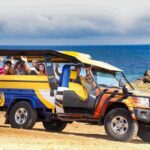
Also, Aruba sun is no joke. A covered UTV ride can feel like a practical advantage, because you’re not exposed in the same way you would be on foot between far-apart sites.
Meeting Up in Oranjestad: Where to Start and How to Get Ready
Your tour starts at Kini Kini Transfer & Tours, Flacciusstraat 33, Oranjestad, Aruba. The activity ends back at the same meeting point.
If you’re being picked up, you’ll likely get the convenience factor most people want: you don’t have to figure out the timing or how to reach a trailhead on your own. Confirmation comes at booking, so you’re not left waiting in a fog of uncertainty.
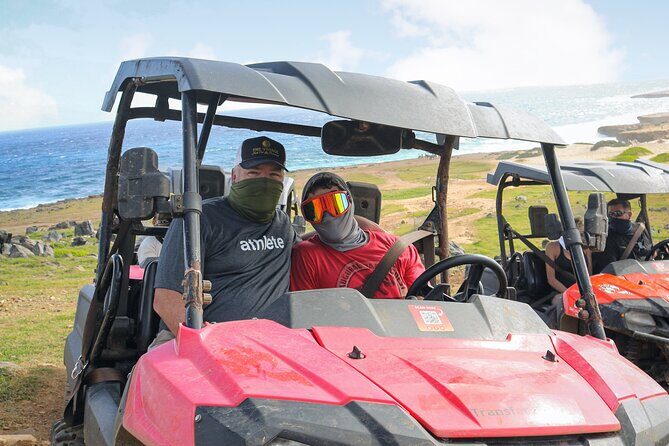
Now, what you do before you show up matters more than people expect. Wear close-toed shoes. Plan on water conditions and rough ground. And yes—wear a swimsuit under your clothes, because at least one stop is set up for beach time and swimming.
Bring a towel if you can. That’s not listed as included, but it makes sense for comfort after water stops. And if you’re buying gear, plan for goggles and something to protect your face and eyes from dust.
What You Can Drive: Aruba’s 18+ Rule and Realistic Fitness Expectations
By Aruban law, drivers must be at least 18 with a valid driver’s license. If you’re traveling with someone under 18, they can be a passenger—but they can’t drive.
So if you’re traveling as a mixed-age group, this is a big practical point. Decide early who will drive each 2-seater vehicle, and remember that your ride experience changes depending on that.
The tour also asks for strong physical fitness. That doesn’t mean you need to be an athlete. It means you should be prepared for bumpy terrain, getting on and off, and moving around during photo stops. If you know rough roads and uneven ground wear you out fast, you’ll want to take that seriously.
Stop 1: Alto Vista Chapel for Hilltop Views and a Quick History Break
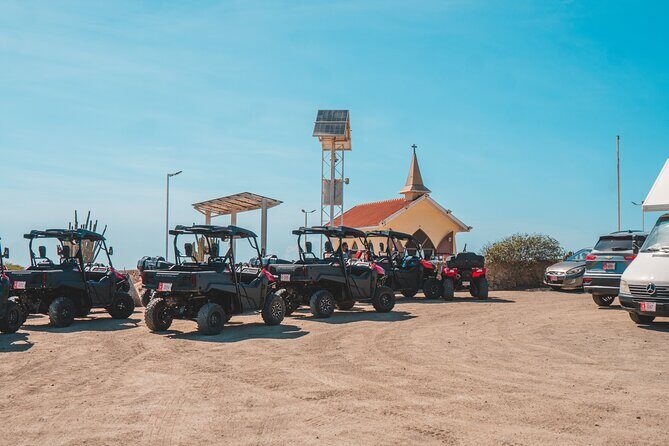
The first stop is Alto Vista Chapel, set on a hilltop site tied to Aruba’s early Catholic history. The chapel sits on the location of the island’s first Catholic church, constructed in 1750.
You’ll have about 20 minutes here, and admission is listed as free. Practically, that’s enough time to:
- look out over the view from the hilltop area
- walk around for photos
- reset before the off-road portion ramps up
What makes this stop feel good is how short it is. You get the “north-side viewpoint” moment without losing half your afternoon to a slow timeline.

Stop 2: Wariruri Beach (Baby Natural Bridge) and When Swimming Makes Sense
Next up: Wariruri Beach, also called Baby Natural Bridge. This is another 20-minute stop, and admission is free.
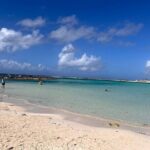
This is where the tour’s “go for the water” idea becomes real. The beach is described as crystal clear, and the stop is set up for time in the water. Wariruri’s natural rock features make it a strong photo spot too—especially if you’re after that Aruba look of pale sand against sharp stone.
Two practical things to plan for:
- sun is intense after dusty driving, so protect your face and eyes
- wet time plus heat can make you feel colder than you expect when you get back on the vehicle
If your swimsuit is already on underneath, you’ll be able to switch from “dirt and dust” mode to “water and photos” mode faster.
Stop 3: Bushiribana Ruins and the Gold Rush-Era North Coast
At Bushiribana Ruins, you step into Aruba’s mining story. During Aruba’s 19th-century Gold Rush period, an English mining company built a Goldmill along the north coast—this is the structure you’re seeing in ruins form.
You get about 20 minutes, with free admission listed. This stop works for people who think they don’t like history. The ruins are visual and dramatic, and the guide context helps you understand why the area matters without turning it into a long museum walk.
If you like photos, focus on angles that show the scale of the structures against the coastline. Even without climbing, there’s a lot you can frame quickly.
Stop 4: Casibari Rock Formations, Cave-Painting Context, and Natural Pool Conditions
The last major stop is Casibari Rock Formations. These rocks sit close to each other in unusual shapes, and they’re tied to the area’s Indian cave painting history.
You get around 20 minutes, and admission is free.
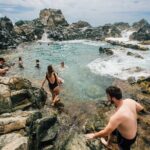
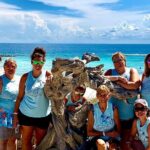
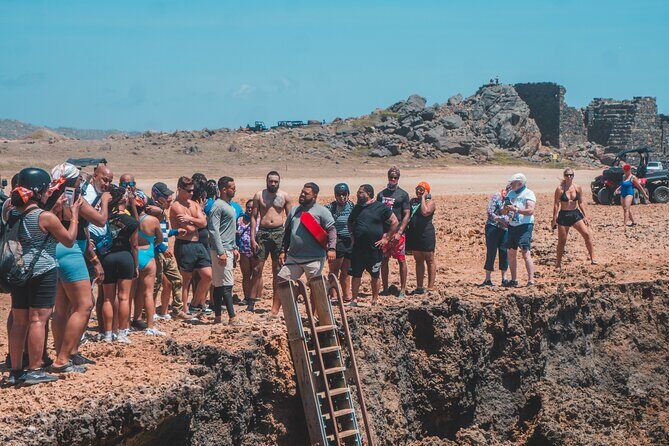
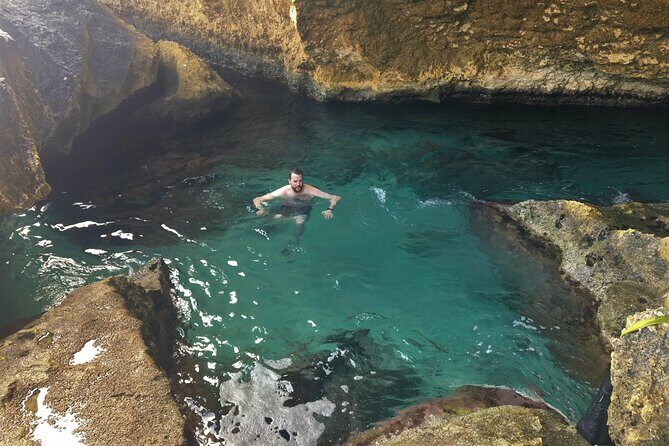
Here’s the part that can vary day to day: some departures include a natural pool/cave-water moment, sometimes even a jump opportunity. Guides may adjust when water access is restricted by local authorities. One reason I think this is worth planning for is that the setting is different from the chapel and ruins stops. It’s more physical, more “only-here” feeling, and it usually turns into the most memorable break of the day.
If you’re going into water or near slippery rock, you’ll want:
- water shoes if you have them
- goggles and a face cover/neck gator if dust is an issue
- patience, because the ground can be uneven
Also, the tour is bumpy. When you mix bumps with dust, your eyes and face will feel it fast. That’s why many people treat goggles and a kerchief-like cover as non-negotiable.
On the Road With the Guides: Safety, Timing, and Photo Help That Actually Works
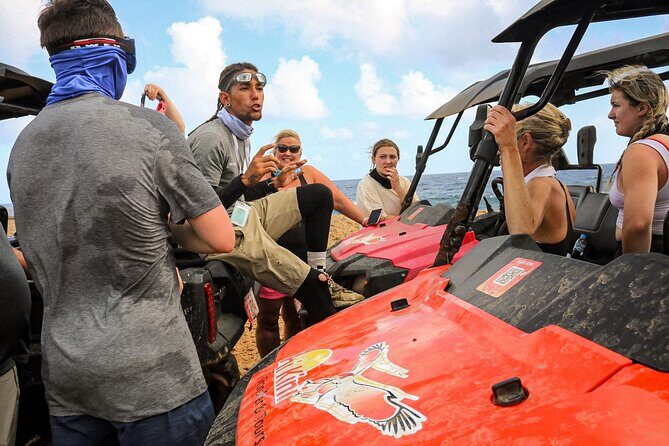
The ride experience is heavily shaped by the guide. In the stories I’ve read, the consistent theme is high energy plus careful attention to safety.
Guides such as Gabriel and Myron are repeatedly praised for keeping the trip fun while maintaining control. Other names that come up include Nahim, Poncho, Rasta, and Poco, all described as attentive, personable, and good with driving technique.
What to expect in real time:
- a safety overview before you start
- instructions that help even beginners feel more comfortable
- the guide managing the group when you’re moving between areas
There’s also a strong photo element. People mention help with pictures, including guides assisting while you’re in the water. That matters because it’s hard to juggle safety and camera at the same time on bumpy terrain.
Dust, Sun, and Gear: The Stuff That Makes or Breaks Your Comfort
This is the practical part. You’ll likely get dusty, and you’ll feel it more if you leave your face and eyes unprotected. That’s why goggles aren’t listed as included, and bandannas aren’t included either.
Here’s what I’d plan to bring based on what people describe:
- goggles (you may be able to buy them at the shop or nearby options)
- a neck gator or face covering for dust
- close-toed shoes
- swimsuit under clothes
- towel if you want to dry off comfortably
- water shoes if you’re doing the swim portions
Some UTV setups may not require helmets for UTV drivers, but you should follow whatever the team tells you on the day of your tour. The safest plan is to assume you’ll use the provided safety equipment and that rules can vary by vehicle and conditions.
Also, if you’re prone to sunburn, treat Aruba sun like a serious factor. Wear sunscreen and cover up where you can between stops.
Who This Tour Fits Best (and Who Should Rethink It)
This UTV tour is a great fit if you want:
- a small-group feel
- real off-road driving and not just paved stops
- history moments that are short, visual, and easy to enjoy
- a swim break with crystal-clear water timing
It’s also popular for couples and families who want one active “Aruba core” experience. One nice advantage of a guided UTV day is that you’re doing a lot of terrain quickly without needing to navigate alone.
Who might want to skip or choose carefully:
- people who can’t handle rough, bumpy ground
- anyone who hates dust or isn’t willing to protect their face and eyes
- groups with mixed ages where kids want to drive (under 18 can be passengers only)
Should You Book Kini Kini’s Aruba 2-Seater UTV Adventure?
I’d book it if you want a half-day that feels like Aruba’s north coast in real motion—chapel views, coastal ruins, rock formations, and a water moment—run by guides who keep safety first and fun high.
I wouldn’t book it if you need smooth roads, zero mess, or a totally relaxed pace. This is active. It’s bumpy. You’ll get dusty if you don’t plan for it.
If you’re choosing between options in Aruba and you like the idea of driving your own UTV for 4 hours with pickup included, this is a strong pick.
FAQ
How long is the Aruba 2-Seater UTV tour with Kini Kini?
The tour is approximately 4 hours.
What does the tour cost?
It’s listed at $100.00 per person.
Is pickup and drop-off included?
Yes. Pickup and drop-off from most hotels/cruise port is included.
What is the maximum group size?
The tour is limited to a maximum of 10 travelers.
Are the stop admissions included?
Yes. The listed stops (Alto Vista Chapel, Wariruri Beach, Bushiribana Ruins, Casibari Rock Formations) show admission ticket free.
What should I wear and bring?
Wear close-toed shoes and a swimsuit underneath your clothes. Goggles and bandannas are not included, so you may want to bring or buy them.
Can a child drive the UTV?
No. By law, drivers must be at least 18 with a valid driver’s license. Passengers under 18 can be passengers only.
What safety equipment do I get?
The tour includes safety equipment and a safety overview.
Where does the tour start?
The meeting point is Kini Kini Transfer & Tours, Flacciusstraat 33, Oranjestad, Aruba.
Does the tour run in bad weather?
The experience requires good weather. If it’s canceled due to poor weather, you’ll be offered a different date or a full refund.