REVIEW · ARUBA
Aruba 1-Tank guided Dive for certified divers with own equipment
Book on Viator →Operated by Pure Diving Aruba · Bookable on Viator
Aruba’s quiet water makes gear feel easy. This 1-tank guided scuba session for certified divers is built around small-group attention and calmer south-coast sites away from the main crowds; I like the small group pace and the practical pickup options that keep your day simple. The one real drawback: you must bring your own equipment (or rent missing parts in cash), so you’ll want to arrive set up and ready.
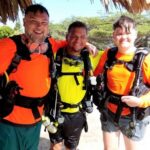
If you’ve already got certification, this is the kind of outing that makes the planning part almost boring—in a good way. You’ll go out for a few hours (roughly 3), then come back to the same meeting point, with cold drinking water and a friendly, organized crew like Steve (the owner) who makes the whole start feel smooth.
In This Review
- Key Points Worth Knowing
- What This Aruba 1-Tank Scuba Session Really Gives You
- Price and Value: $79 plus Tax and Equipment Reality
- Where Pickup Works (and Why It Matters on Aruba Time)
- Timing: Morning vs 2 pm Slot and the Shore vs Boat Mix
- Underwater Plan: Reefs and Wreck Areas With Actual Guidance
- Boat Days on the Drumfish: A Small-Craft Feel
- Gear Prep: The One Step That Changes Everything
- Instructor Attention: Small Group, Real Problem-Solving
- Flying After: The 24-Hour Rule You Should Actually Follow
- Who This Is Best For (and Who Might Skip It)
- Should You Book Pure’s 1-Tank Scuba Session?
Key Points Worth Knowing
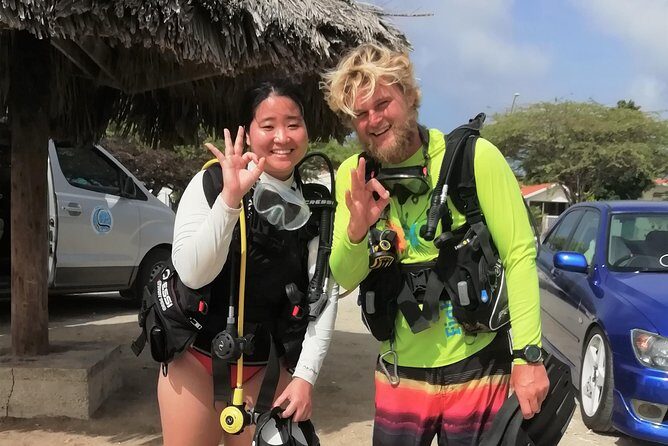
- Small group setup (max 10): more instructor attention, less waiting around
- South-coast sites: quieter water, with reefs and wrecky areas nearby
- Pickup from resorts and cruise terminal: Palm/Eagle, Harbor House, Renaissance, and cruise dock options
- Boat name Drumfish (on many days): you’ll often head out on a dedicated small craft
- Gear is on you: bring your own setup, and rent only what’s missing in cash
What This Aruba 1-Tank Scuba Session Really Gives You
This is a straightforward Aruba plan for certified divers who want a guided underwater experience without turning the day into a production. You’ll get a guide on the water and a group that stays small, which changes how the whole outing feels. In practice, it means your briefing lands faster and questions don’t get swallowed by the group shuffle.
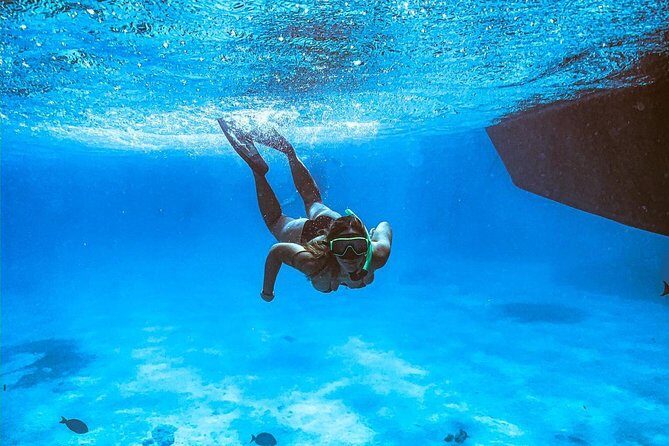
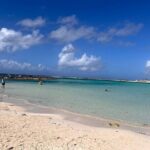
I also like that the experience is designed to get you out to good spots on the southern side of Aruba, where the vibe tends to be calmer. You’re not trying to compete for space with a busier scene. The result is that you can focus on the scenery—reefs, wreck areas, and the marine life that calls those places home.
And if you’re the type who values structure, you’ll appreciate how they emphasize preparation with your own gear. That’s not just formality. When you’re comfortable with what’s on your body, the underwater time feels less like you’re troubleshooting and more like you’re actually enjoying the water.
Other scuba diving tours in Aruba
Price and Value: $79 plus Tax and Equipment Reality
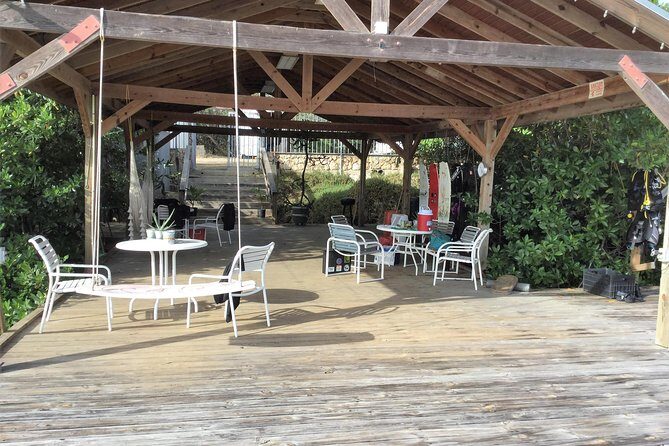
The posted price is $79 per person, and there’s also a local government tax of $7 per person. So you should budget $86 total, plus any gear rentals if you’re missing parts. That’s a normal add-on for many island activities, but it’s still worth factoring in from the start.
What makes this feel like decent value is what’s included:
- Pickup is offered from specific resorts and the cruise terminal area
- Cold drinking water is provided
- The operation is capped at a maximum of 10 travelers, so you’re not buying into a cattle-car setup
What’s not included is equally important:
- Dive equipment (if you don’t have it all, the shop can rent missing parts for fair prices, and they ask for cash)
- The local government tax (the $7 fee)
So the value equation is simple. If you already have a complete and working setup, the $79 becomes a pretty direct price for guided underwater time plus transportation. If you’re missing critical gear—especially items you don’t normally travel without—your final cost can creep up. For most people, the best “money saver” is the boring one: pack smart and check your gear before you leave your room.
Where Pickup Works (and Why It Matters on Aruba Time)
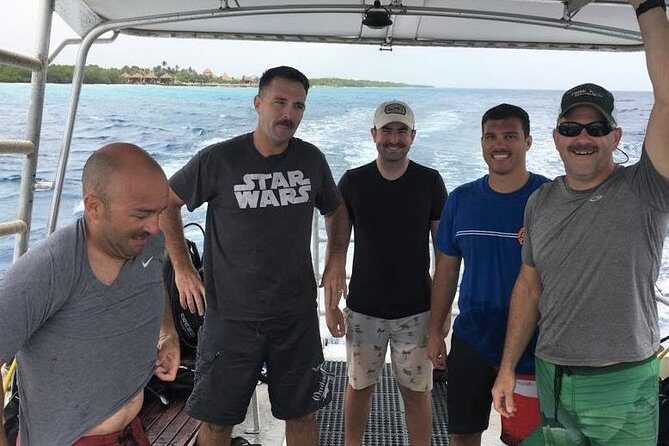
One of the smartest parts of this experience is the way pickup is offered across the island. If you’re staying near the main resort zone, you’re likely to be covered. Pickup options include:
- Palm/Eagle resorts
- Harbor House
- Renaissance resorts
- Cruise terminal pickup (in front of the Diamond International shop)
- Return to the meeting point after the session
This matters because Aruba is easy—but getting from a resort to a boat or shore entry can still eat up your day. Having pickup built in helps you keep your schedule clean, especially if you’re on a cruise day.
Your meeting point is at Pure’s base on Bucutiweg in Oranjestad. The tour ends back at the same meeting point, which keeps things tidy.
Bring your phone. They provide a mobile ticket, so you’ll want access to it on pickup day.
Timing: Morning vs 2 pm Slot and the Shore vs Boat Mix
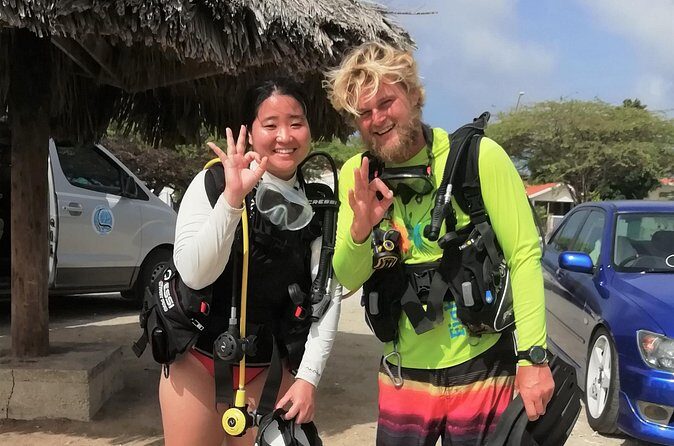
The operation can run at different times. Their general plan takes certified divers to good sites on the southern side of Aruba in the morning window (roughly 9 am to about 1 pm). There’s also an afternoon option with a 2:00 pm start.
Here’s the key detail: the water entry varies by time of day.
- Morning: can be from shore sometimes, but often it’s from the boat, and the boat is called the Drumfish
- Afternoon: it’s always from shore, and it can be at Tres Trapi
So if you’re booking the 2 pm slot, don’t assume you’ll be on a boat. You should mentally prepare for a shore entry. That can be totally fine—often it’s simpler—but it changes your expectations for how the day flows.
Also note the overall duration. Expect around 3 hours (approx.). That’s a sweet spot when you’re balancing beaches, lunch, and a return to your hotel or cruise logistics.
Underwater Plan: Reefs and Wreck Areas With Actual Guidance
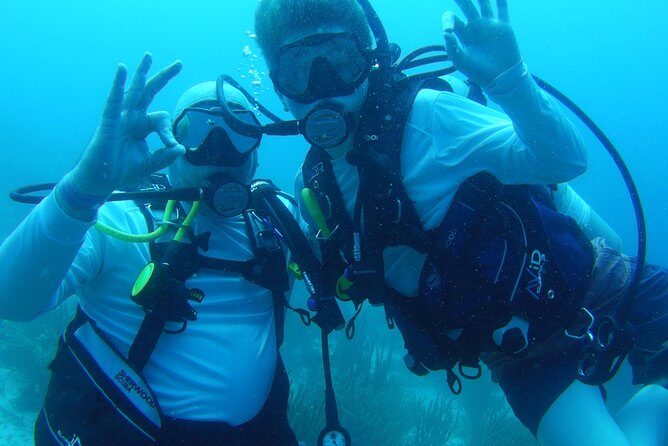
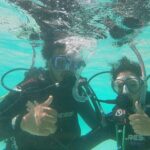
This is for certified divers, and the whole experience is built around your own equipment and guided movement through reef or wreck areas. The guide’s role is not just waving at fish. They will guide you along reefs or wreck sites, helping you stay oriented and spend your time comfortably in the water.
The tour is designed to take you away from crowded areas. When that happens, underwater visibility and overall comfort tend to feel better—not guaranteed, but it’s the kind of planning that usually helps.
You should also know what kind of sites you’re choosing:
- Reefs: great for marine life and calmer cruising
- Wreck areas: often more interesting visually, but you’ll want to stay mindful and follow your guide closely
Because they’re working with your setup, they emphasize that you prepare your dive set so you feel comfortable before the session starts. If you want the day to go smoothly, treat this like a checklist item, not a last-minute task.
Other guided tours in Aruba

Boat Days on the Drumfish: A Small-Craft Feel
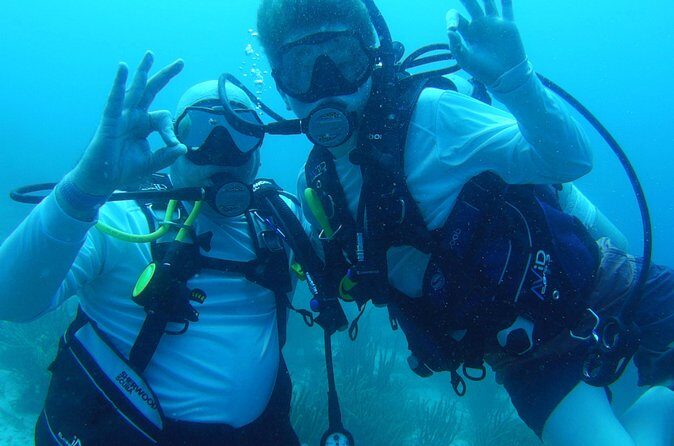
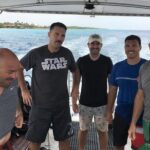
On many days—especially when the schedule runs as a morning outing—the crew takes people out on the Drumfish. That matters because boat sizes and group handling affect the start of your underwater time. A small craft usually means less chaos at boarding and faster organization once you’re in the water.
From the feedback I’m using to understand the experience, the crew has a knack for keeping things friendly and efficient at the start. Steve, the owner, gets specifically mentioned as personable and hands-on—picking people up, driving them to the beach, briefing them, and then getting on with the day.
That kind of energy is a good sign for you if you don’t want a stiff, rushed operation. You want a brief that makes sense, not one that feels like it was copy-pasted for a different group.
Gear Prep: The One Step That Changes Everything
This is the part you control the most, and it’s where this outing can be either great—or a mild annoyance.
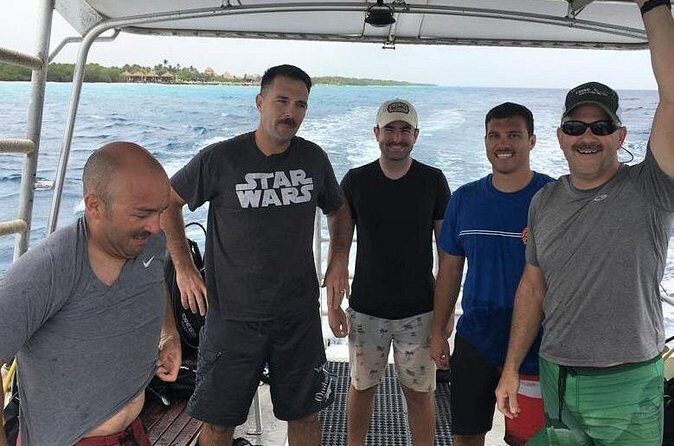
They require that you bring your own equipment and prepare your dive set so you feel comfortable during the session. Instructors can help if you need help, but the best experience is when your setup already feels right to you.
Here’s what I’d do before pickup:
- Check your regulator, tank, and buoyancy controls at home (not in the parking lot)
- Confirm you’re bringing all required parts so you don’t rely on rentals
- Make sure you’re comfortable assembling everything in unfamiliar conditions
If you’re missing parts, the shop can rent gear for fair prices, but you’ll pay cash. So pack a bit of cash for peace of mind, even if you’re pretty sure you’re fully equipped.
One more practical note: if you’re picky about comfort (tank fit, straps, weight feel), this is the kind of outing where your preparation pays off quickly. Small changes you fix before you hit the water can prevent a long session of fiddling.
Instructor Attention: Small Group, Real Problem-Solving
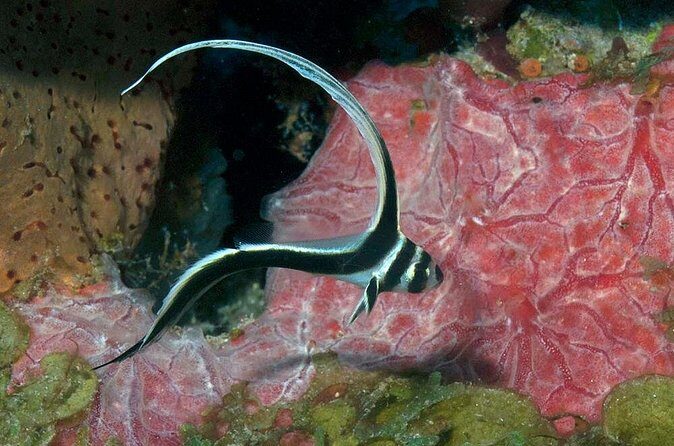
The experience is capped at 10 travelers, and that’s not a throwaway line. In underwater work, the margin for confusion gets smaller with more people. A smaller group generally means you get clearer guidance, faster check-ins, and less time waiting while someone else figures something out.
This is where the team’s personality really shows in the feedback. People describe the crew as friendly and professional, and they mention a quick transition to feeling comfortable—like you’ve landed with a team that knows what it’s doing.
If you have specific needs or you’re a more advanced or specialized diver, plan to communicate your situation clearly. One piece of feedback described a situation where a particular instructor was tied up with another course, which affected how a diver could join initially. Their response makes it clear scheduling and instructor assignments can matter. Translation for you: if your certification level is unusual or you want a particular kind of experience, ask questions early so your expectations match the staffing on that day.
Flying After: The 24-Hour Rule You Should Actually Follow
There’s an important safety guideline for your travel plans: after your underwater session, you are not allowed to fly for at least 24 hours.
That matters even if you’re only connecting to another island or heading back to a home airport the next day. Plan your itinerary with a buffer. If you’re on a cruise or tight schedule, this is the one detail that can force a whole itinerary rethink.
Who This Is Best For (and Who Might Skip It)
This is best for:
- Certified divers who want a guided reef/reef-and-wreck style outing
- People who already own gear and want to keep costs predictable
- Anyone staying at the partner pickup zones or cruising from Aruba docks
- Divers who prefer smaller groups and more direct instructor attention
You might consider a different option if:
- You don’t have your own equipment and don’t want to deal with cash rentals
- Your schedule is so tight you can’t handle the 24-hour no-flying rule
- You’re expecting a first-timer experience—this is only for certified divers
Should You Book Pure’s 1-Tank Scuba Session?
If you’re a certified diver and you already have your gear sorted, this booking is a strong candidate. The value is clear when you compare what’s included: guided underwater time, cold water, and real pickup coverage. The small group (max 10) is also the right kind of luxury in scuba work. It reduces waiting and helps you get meaningful attention.
I’d book it if you want an Aruba morning or 2 pm shore-based option (possibly at Tres Trapi) with a crew that’s known for friendly, professional organization. Add a little preparation on your end—check your equipment, bring cash for rentals if needed—and you’ll set yourself up for a calm, enjoyable few hours.
If you’re flying home soon or you’re missing gear parts, do the math first and build in the extra time. The underwater rule about flying is non-negotiable, and it’s the one detail that can wreck a tight itinerary fast.
If you want, tell me your travel dates (morning or 2 pm), whether you’ll bring full gear, and whether you’re cruise-bound—I can help you decide what choice fits best.