REVIEW · ARUBA
Aruba 2-Tank guided Dive for certified divers / own equipment
Book on Viator →Operated by Pure Diving Aruba · Bookable on Viator
Aruba gets calmer under the surface. This 2-tank underwater trip for certified divers heads to quieter parts of southern Aruba, with guided time over reefs and shipwrecks, usually with a small group and hands-on instruction. I love the wide hotel pickup and the focus on coral reefs and shipwreck targets, not just a “go here, then back” checklist. The catch: you bring your own equipment, and you may need to rent any missing parts on-site plus pay the 7% local government tax.
The schedule runs in the morning, roughly 9 am to about 1 pm, with two separate underwater sessions so you stay in the water longer than a single-tank outing. You’re also not stuck with a big crowd: this activity lists a maximum of 6 travelers, which makes it easier to get real coaching and not just a rushed briefing.
One more practical thing to plan for: after your underwater time, you’re not allowed to fly for at least 24 hours. If you’re doing a tight itinerary with early flights, that rule can be the deciding factor.
In This Review
- Key Highlights Worth Planning Around
- Quiet Southern Aruba for Certified Divers Who Want Better Chances
- Pickup That Actually Saves You Time (And Starts the Day Smoothly)
- Gear Rules: Your Equipment, Your Comfort, Less Stress Underwater
- First Session: Reef Time for Corals and Fish Watches
- Second Session Over a Shipwreck: More Structure, Different Wildlife
- How the Drumfish and Shore Entries Affect Your Day
- What the 4 Hours Really Means for Your Itinerary
- Price and Value: $109 Plus Tax, With Pickup Included
- The Personal Touch: Why Small Groups Matter Underwater
- Who This Trip Fits Best (And Who Should Skip It)
- Should You Book This Aruba 2-Tank Guided Trip?
- FAQ
- Who is this tour for?
- Do I need my own scuba equipment?
- Where are pickups offered?
- How long is the trip?
- How many people are in the group?
- Are the underwater entries from shore or by boat?
- Does the $109 price include local tax?
- Can I fly right after?
Key Highlights Worth Planning Around
- Quiet southern Aruba sites aimed at less crowded conditions
- Two-tank format gives you longer underwater time with the same small group
- Max 6 travelers means more personal attention from the instructors
- Coral reefs and shipwrecks for higher odds of seeing interesting marine life
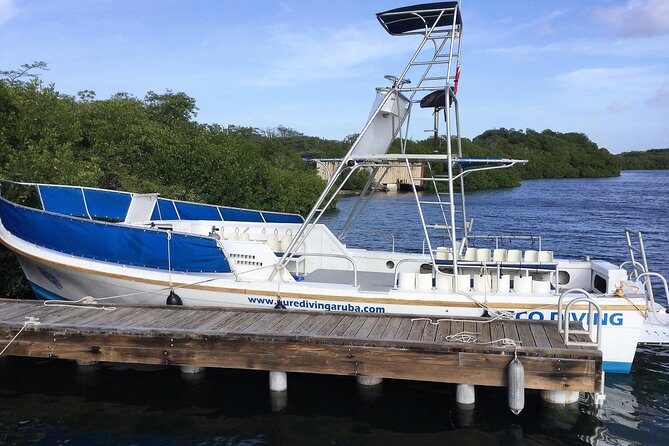
- Sometimes from shore, mostly with the Drumfish for varied entry styles
- Fresh fruit and water included to keep you comfortable before and after
Quiet Southern Aruba for Certified Divers Who Want Better Chances
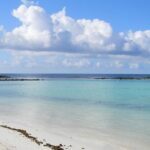
Aruba is famous for clear water and easygoing conditions, but the best part of this trip is that you’re not trying to fight the crowds. You’ll work the southern side of the island, where you can spend your limited vacation hours on the water instead of stuck watching other groups line up at the same spots.
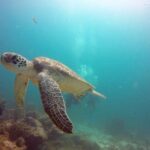
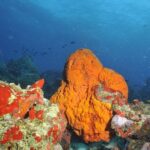
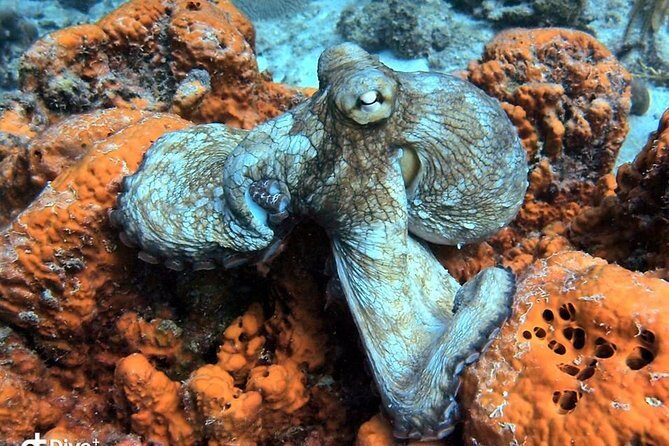
The trip also leans into what certified divers actually care about: variety and time. You get two guided underwater sessions, and the goal is to hit coral reefs and shipwrecks—two environments that tend to attract different kinds of marine life. In one top review, the standout notes were strong visibility, great corals, and lots of fish sightings, including green eels. That matches the idea here: the itinerary is built for spotting, not just “checking a box.”
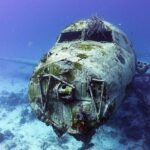
The shipwreck angle matters too. Reefs often act like feeding and shelter zones, while wrecks can function like artificial structure—new territory for fish and invertebrates. If you like your underwater time with some storytelling built in (this reef versus that wreck), two sites in one morning is a smart use of your day.
Other scuba diving tours in Aruba
Pickup That Actually Saves You Time (And Starts the Day Smoothly)
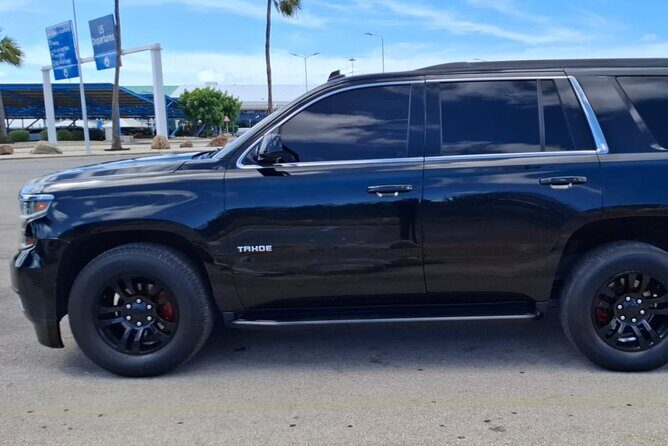
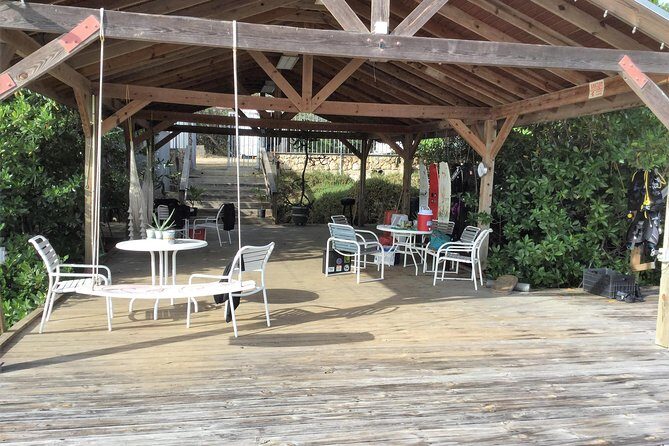
This is the kind of tour that works well even if you’re not staying right near the dive/scuba shop. Pickup is offered from Palm/Eagle resorts, Harbor House, and Renaissance resorts, plus cruise terminal pickup outside gate 3 in front of the Harley Davidson shop. The tour summary also says hotel pickup and drop-off from anywhere on the island is included, which is great if you’re spread out.
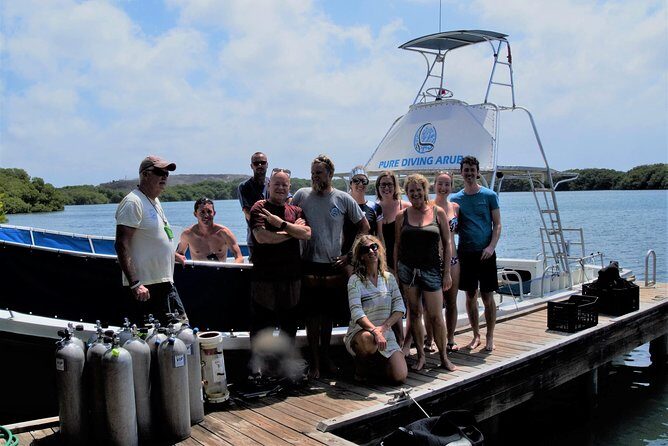
Meeting point is at the operator’s shop in Oranjestad, on Bucutiweg. Start time is listed as 8:30 am, and the underwater time runs later in the morning, between about 9 am and 1 pm. That means you should expect a bit of early organization: loading gear, meeting your instructor team, and heading out before the day’s sun gets too intense.
I especially like that refreshments are included. You’ll have fresh fruit and drinking water, plus the basic human stuff—friendly chats. It sounds small, but it’s the difference between showing up grumpy and actually being ready to focus when it’s time to gear up and go.
Gear Rules: Your Equipment, Your Comfort, Less Stress Underwater
This trip is for certified divers who bring their own equipment. That’s not a random requirement—it affects how your morning feels once you’re in the water.
Here’s what you should do before you even leave your hotel:
- Make sure your gear is assembled the way you like it.
- Double-check any “small parts” you might forget, because the tour notes that missing parts can be rented at the shop for fair prices, paid in cash.
- If you’re coming from a trip that’s already had your kit in bags, do a quick mental check on anything that can get swapped around during travel.
If you need help, the instructors are ready to assist where necessary. That’s important. Not every diver arrives with gear that feels perfectly dialed in, and even minor adjustments—comfort with your setup, how your regulator feels, how buoyancy control behaves—can make your underwater time way more enjoyable.
One more tip: since this is guided, your instructor will be looking at how you move as much as where you’re going. When your gear fits the way you expect, you spend less effort fighting equipment and more effort watching fish and structures.
First Session: Reef Time for Corals and Fish Watches
Most mornings begin with briefing and a smooth entry plan, but the tour’s underwater sites are what drive the experience. Coral reefs are one of the two targets, and that matters because reefs typically give you:
- A lot of visual structure to track
- More likely “hit-and-miss” wildlife sightings because fish are spread through the habitat
- Fantastic background for photos if visibility is good
The trip’s highlights explicitly mention coral reefs and shipwrecks as the main environments, and the review notes point toward strong visibility and corals. If you love the classic Aruba look—bright reef textures and fish darting in and out of nooks—your first session is usually where that becomes real.
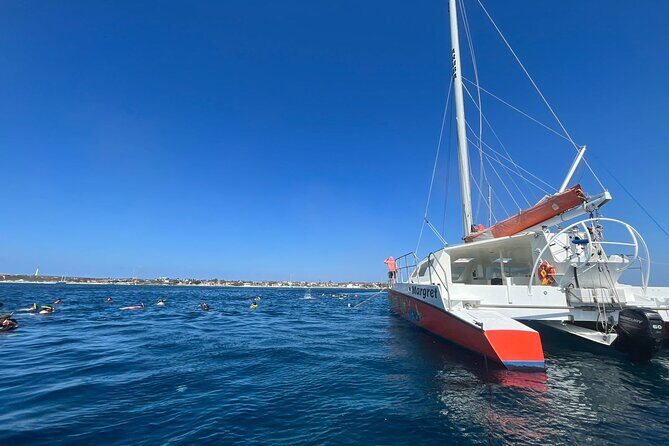
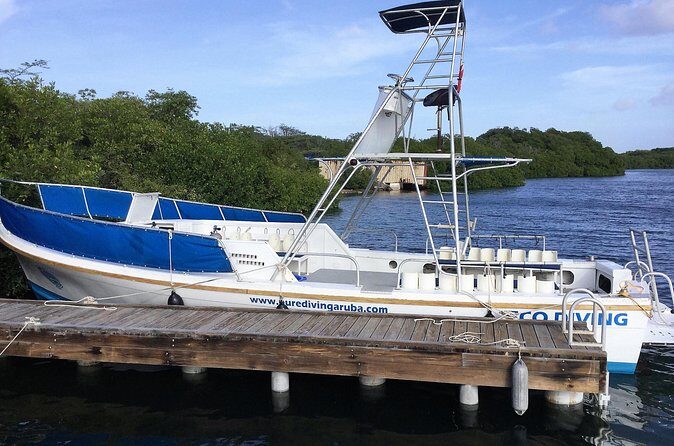
Entry can vary. The information says sometimes you’ll go from shore, and mostly you’ll use the Drumfish. So don’t assume you’ll always have the easiest in-water setup. If you’re prone to getting rushed during transitions, slow yourself down during the entry process. Being calm here makes the entire first session feel smoother.
Guidance is also a big deal. Instructors guide you along the reefs, so you’re not trying to figure out where to look while also managing your breathing and buoyancy. That’s how you turn “I saw something” into “I had a whole list of things to watch.”
Second Session Over a Shipwreck: More Structure, Different Wildlife
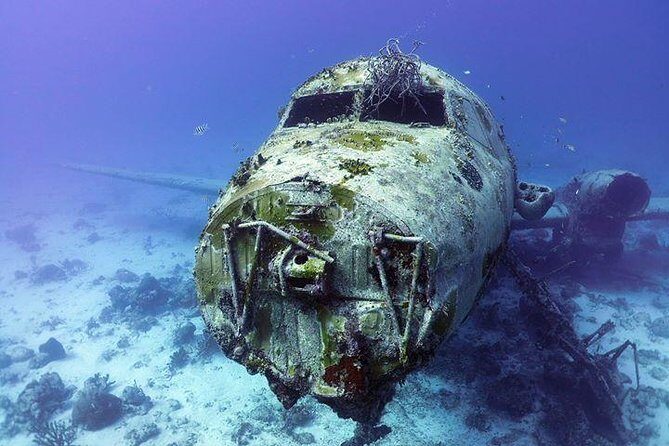
After your first underwater session, you’ll head to the second site. This one is aimed at shipwrecks, which often feel like a different world underwater. The structure changes the behavior of marine life: fish may hover near edges, retreat into shadows, or cruise along the wreck’s shape like it’s a highway.
The tour summary says shipwrecks are part of the plan, and it also says the goal is to increase your likelihood of spotting diverse marine life. That makes sense because you’re not only repeating one habitat type. You’re changing the “stage” your wildlife has to live on.
If you’re an intermediate or expert diver, you’ll likely appreciate the variety more than beginners would. Not because it’s more technical, but because you can move your attention between macro details and broad habitat structure. You’re guided, but you’re still the one driving your body and your observation.
And yes—this is a 2-tank format for a reason. Spending longer in the water gives you more chances for wildlife moments that don’t arrive on schedule. Sometimes the coolest sightings happen when you slow down and let the environment settle in.
Other guided tours in Aruba

How the Drumfish and Shore Entries Affect Your Day
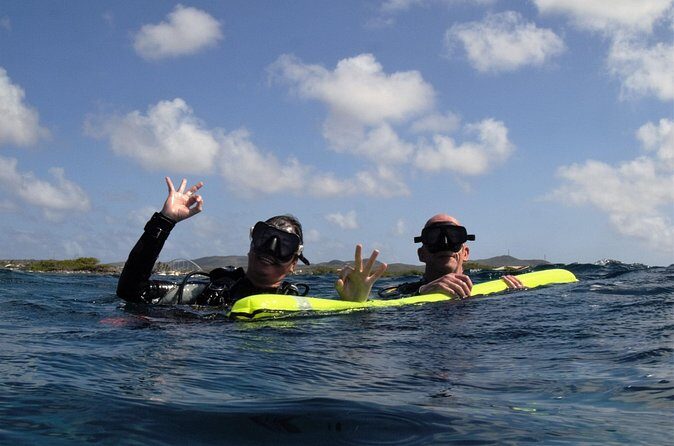
The tour mentions that entries are sometimes from shore and mostly with the Drumfish. That’s not trivia. It changes how you mentally prepare.
- Shore entry can mean a quicker rhythm: you suit up, walk into the water, and get into the plan fast.
- Boat-led entry means you’ll spend more time traveling to the site, then transition into the water from the boat.
Either way, it’s still guided, and the small group size helps. With fewer divers, you’re more likely to get clear instructions and not feel like you’re waiting for a chain of strangers to get ready.
If you tend to get motion-sensitive or you’re sensitive to cold water shifts (even in warm Aruba weather), I’d keep your movements calm during boat transitions. The goal is to avoid unnecessary stress so you can focus on the underwater parts that you actually paid for.
What the 4 Hours Really Means for Your Itinerary
Duration is listed as approximately 4 hours. That’s a solid window for a morning outing that still leaves you time to eat, relax on the beach, or explore Oranjestad after.
Timing is roughly:
- Start time: 8:30 am (meeting point)
- Underwater sessions: between about 9 am and about 1 pm
The tour ends back at the meeting point. If you’re planning lunch afterward, build in time for debriefing, rinsing, and grabbing a taxi or walking back. You’ll also want to remember the aftercare rule: you’re not allowed to fly for at least 24 hours after your underwater time.
A small but important detail: the trip includes pickup and drop-off. That cuts down your logistics load and reduces the chance you’re scrambling at the end when you’re tired and wet.
Price and Value: $109 Plus Tax, With Pickup Included
The price is $109 per person. It’s also noted that this is often booked about 42 days in advance, which tells me it’s a popular slot if you’re traveling during peak seasons.
What you get for that price:
- Guided 2-tank underwater experience
- Personalized attention thanks to a capped group size
- Hotel pickup and drop-off (including specific resort areas and cruise terminal pickup)
- Fresh fruit and drinking water
- Mobile ticket
What costs extra:
- Dive/scuba equipment is not included
- Missing parts can be rented at the shop for fair prices, paid in cash
- A 7% local government tax is not included
So is $109 worth it? Usually, yes—if you already have your own gear and you value instruction and convenience. The pickup and the small group are real time-savers, and two guided underwater sessions in one outing is better value than booking two separate single-tank plans.
If you don’t have your own equipment, factor in rental costs and the cash requirement for missing parts. Then the total can creep up. Still, if you’d rather spend money on getting into the water than on gear logistics, renting can be fine—just go in knowing it’s not included.
The Personal Touch: Why Small Groups Matter Underwater
This trip is built for certified divers and limits the number of people. The info says the group is small, with a maximum of 6 travelers on this activity. That size is what makes the “guided” part feel real.
With fewer divers:
- You get clearer direction
- You’re more likely to stay together without rushing
- Instructors can pay attention to your buoyancy, timing, and how you’re moving along the reef or wreck
One review called out an instructor named Alonso (listed as Alonzo in the note) as the best. That’s exactly the kind of feedback small-group setups attract: when an instructor can actually connect with you instead of managing a crowd, your experience usually improves fast.
Who This Trip Fits Best (And Who Should Skip It)
This outing is only for certified divers, with a minimum age of 10 years. It’s also geared for divers who can handle the routine of preparing and using their own equipment.
I’d say it’s a great match if:
- You want coral reef and shipwreck variety in one morning
- You like being guided along sites instead of self-navigating
- You want a calmer feel and a better chance of wildlife sightings
- You already own your gear and can set it up comfortably
I’d skip it if:
- You’re not certified (this is not for first-timers)
- Your itinerary includes flying soon after, since you need at least 24 hours
- You’re counting on equipment being included in the price
Should You Book This Aruba 2-Tank Guided Trip?
Book it if you’re a certified diver and you want two guided underwater sessions with strong odds of reef-and-wreck marine life, plus the convenience of pickup and a small group size. The value works best when your gear is already in good shape, because equipment isn’t included and missing parts can add cost.
Don’t book it if the 24-hour no-fly rule doesn’t fit your schedule or if you’d rather avoid gear rental logistics. In those cases, you’ll likely feel more stressed than thrilled.
If you’re flexible on timing and you want a focused, instructor-led morning over Aruba’s southern underwater habitats, this is an easy yes.
FAQ
Who is this tour for?
It’s only for certified divers. Minimum age is 10 years.
Do I need my own scuba equipment?
Yes. Dive equipment is not included. Missing parts can be rented at the shop for fair prices paid in cash.
Where are pickups offered?
Pickup is offered from Palm/Eagle resorts, Harbor House, and Renaissance resorts, plus cruise terminal pickup outside gate 3 in front of the Harley Davidson shop.
How long is the trip?
Duration is listed as approximately 4 hours.
How many people are in the group?
This activity has a maximum of 6 travelers.
Are the underwater entries from shore or by boat?
Both happen: it’s sometimes from shore and mostly with the Drumfish.
Does the $109 price include local tax?
No. A 7% local government tax is not included.
Can I fly right after?
You’re not allowed to fly for at least 24 hours after the underwater sessions.