REVIEW · ARUBA
Aruba PADI Scuba Diving Program Non Certified Divers
Book on Viator →Operated by Nautilus Dive Center Aruba · Bookable on Viator
In This Review
- A reef lesson designed for first-timers.
- Key things I’d underline before you go
- PADI Discover Scuba in Aruba: Small Group, Big Support
- The 3-Hour Plan: Video, Book Work, Shallow Skills, Then Mangel Halto
- Start with the basics (video, PADI materials, quiz)
- Practice in shallow water
- Finish with a supervised reef session at Mangel Halto Reef
- Gear Is Included, and That’s Real Value at $99
- Pickup, Meeting Point, and Timing: Make This Part Easy on Yourself
- What You’ll See: Coral, Fish, and a Possible Wreck Stop
- Instructor Styles: Why Attention Matters More Than You Think
- Who This Program Is Best For (And What It Isn’t)
- Should You Book This Aruba Try-Scuba Program?
- FAQ
- How long is the PADI Discover Scuba program?
- Do I need scuba certification to book?
- Where does the experience start?
- Is pickup available?
- What’s included in the training?
- Do I need to bring my own scuba gear?
- What is the cancellation window?
A reef lesson designed for first-timers.
This is a PADI Discover Scuba try-out in Aruba that starts with classroom basics, then moves to skills in shallow water, and finishes with a supervised underwater experience at Mangel Halto Reef. It’s also built around an intimate group size, so you get real attention instead of feeling like you’re on a conveyor belt.
I especially like the clear, step-by-step pacing: about 20 minutes of video, then the PADI materials and quiz, followed by practice before you go out on the reef. I also love the comfort details, like all scuba gear provided plus water and snacks (bananas or chocolate) to keep energy up.
The one drawback to plan for is timing and organization: a few people noted it can take a while to get equipment ready and to return to the meeting area. If you’re on a tight schedule, give yourself breathing room.
Key things I’d underline before you go
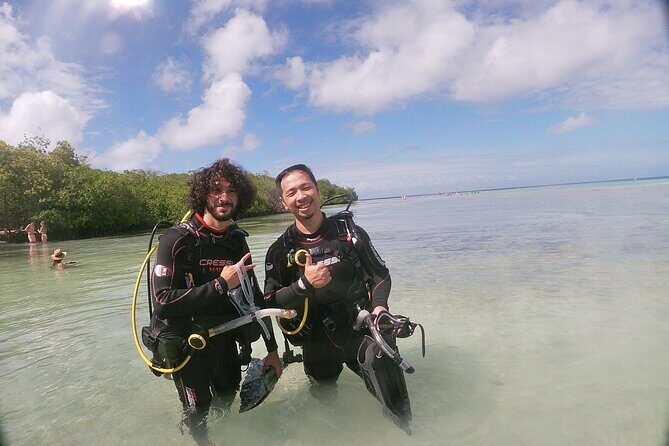
- Max four per group: small ratios mean more hands-on help and less waiting for attention.
- Not a certification course: you’ll get a Certificate of Completion, plus the practical taste that leads into Open Water.
- Shallow skills first: you practice before you’re out in the open water at Mangel Halto Reef.
- Gear included: you don’t have to hunt down a mask, fins, or other equipment before you arrive.
- Small comfort touches: water and snacks like bananas or chocolate help the whole day feel easier.
- Expect a 3-hour flow: roughly classroom, shallow practice, then the reef session—so plan your day around it.
Other scuba diving tours in Aruba
PADI Discover Scuba in Aruba: Small Group, Big Support

If you want to try scuba without committing to a full certification right now, this program is a smart middle step. You’re not “winging it” on arrival. You get guided training that’s designed to help you feel comfortable enough to enjoy the reef.
What makes it especially reassuring is the group size. With a maximum of four participants, instructors can slow down when someone needs extra time. That matters because a first underwater session can be mentally tricky even when people are physically fine. In the feedback, names kept coming up: Carlos, Javier, Gio, Izhar, and Sebastian. Across the board, the theme is patience. People reported instructors taking time to ensure comfort and safety before moving on.
Another thing I like: you get structure before you go into the water. The program doesn’t treat the reef as a jump-scare. It’s a progression—video and materials, then skills in shallow water, then the reef experience.
The 3-Hour Plan: Video, Book Work, Shallow Skills, Then Mangel Halto
This is a short program, but it’s not random. Here’s the typical rhythm, based on how the course is described and what people experienced.
Start with the basics (video, PADI materials, quiz)
You’ll spend around 20 minutes watching a video, then you’ll read the PADI program materials and take a quiz. This is where you learn the language and the logic behind what you’ll do next. If you’re nervous, this part helps a lot because it answers the silent questions: What am I supposed to do? What’s normal? What’s not?
Practice in shallow water
After you finish the classroom portion, you move into shallow water for skills. This is the part that turns fear into understanding. Instead of going straight from land to open water, you work on core tasks in a controlled setting.
From the feedback, instructors consistently took time with people who felt nervous or unsure. One person described how their instructor checked their comfort closely and adjusted the pace. Another said it was a great intro even for someone returning after years away.
Other scuba diving tours in Aruba

Finish with a supervised reef session at Mangel Halto Reef
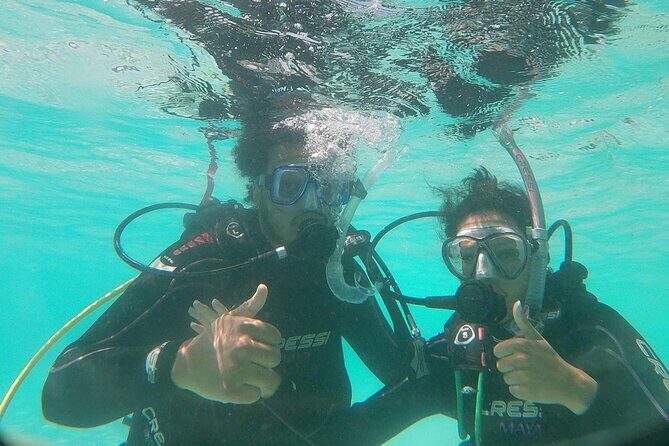
Once the skills feel solid, you head to Mangel Halto Reef for the main underwater experience. The reefs around Aruba are known for fish and coral, and many first-timers report exactly that—lots of sea life close by.
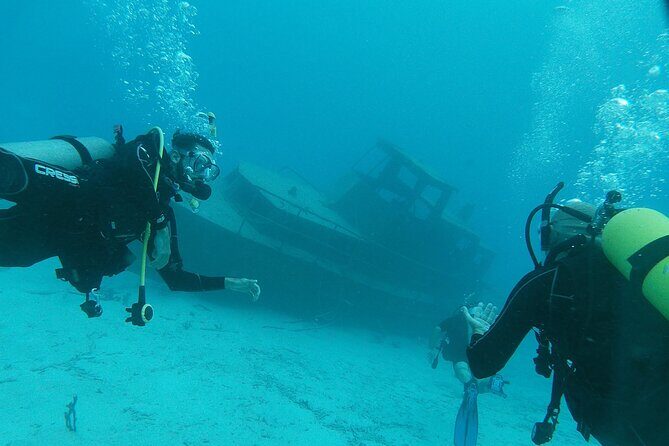
People also mentioned a shipwreck/sunken ship experience. Since conditions and routes can vary, think of it as a bonus you might see rather than a guaranteed checklist item. Still, if you want something more interesting than just fish-on-a-loop, that wreck possibility is a big reason to choose this site.
Gear Is Included, and That’s Real Value at $99
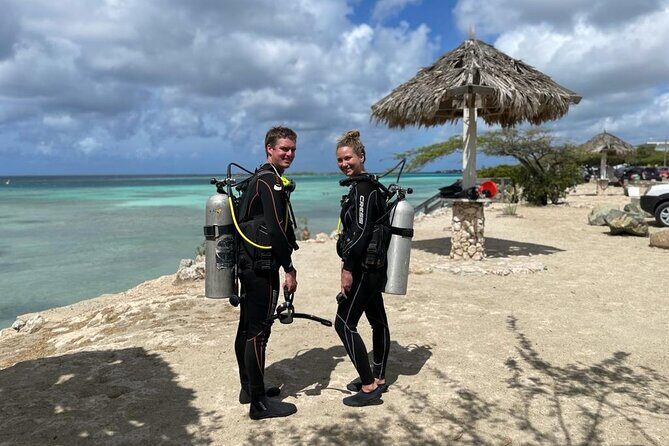
Scuba equipment can be a hassle on vacation. If you have to rent gear separately, you’ll spend time on logistics and may worry you grabbed the wrong size. Here, gear is provided, which is a big part of why the value feels strong at $99 per person.
You’re not just paying for the reef moment. You’re paying for:
- Instruction that starts on land
- Shallow-water practice so you’re not thrown into the deep end
- Equipment so you can focus on learning and staying calm
- A structured PADI Discover Scuba experience
- Snacks and water to keep you going
Also, you’ll walk away with a Certificate of Completion. That doesn’t equal Open Water certification, but it documents your try-scuba participation and can help you feel ready to go after the next step when you want.
If you’re comparing options, I’d judge cost by total effort. The “cheap” option that leaves you responsible for gear, timing, or training usually ends up costing you time and stress. This one reduces that risk by bundling the essentials.
Pickup, Meeting Point, and Timing: Make This Part Easy on Yourself
The meeting point is Ir. Luymesstraat 3, Savaneta, Aruba, and the experience ends back at the same meeting spot. You can either meet there or request pickup if that’s easier for you.
A few practical notes from the experience descriptions and feedback:
- Some people reported a smooth, easy pickup, including riders met near cruise terminals.
- Others mentioned confusion about where exactly to meet until close to departure time.
- A couple people said organization took longer than expected, meaning you might wait before getting into the water or you might return later than planned.
So here’s my practical advice: if you’re doing this on a day with other tight plans, don’t schedule your next activity right after your expected end time. Give yourself a buffer. This is especially true if you’re using public transit or you’re tied to a cruise schedule.
One more tip: keep your phone accessible and be ready to follow the meeting details you receive at booking. The experience includes a mobile ticket, so you’ll want that handy.
What You’ll See: Coral, Fish, and a Possible Wreck Stop
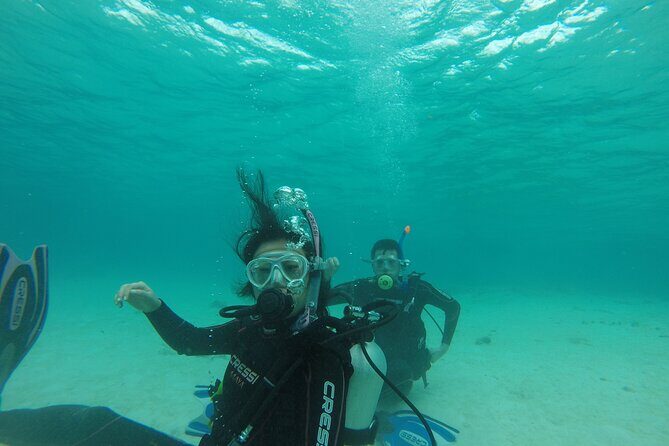
For a beginner program, what matters most is whether the experience feels worth it underwater, not whether you can recite scuba theory later.
Most of the feedback points to the same winning combination:
- Coral and fish in a beginner-friendly area
- A reef experience that feels safe and guided
- Some mention of shipwreck or sunken ship highlights
That fits what people want from a first underwater outing: clear visibility of marine life, plus a sense that you’re exploring something real.
If you get even a small amount of motion sickness easily, you’ll want to keep a calm mindset going in. The program is paced and supervised, and instructors are used to helping people settle. But your comfort level can affect how much you enjoy the scenery.
The good news: the instructors named in the feedback didn’t just focus on tasks. Several people mentioned their guides pointing out sea life and keeping a steady, reassuring presence.
Instructor Styles: Why Attention Matters More Than You Think
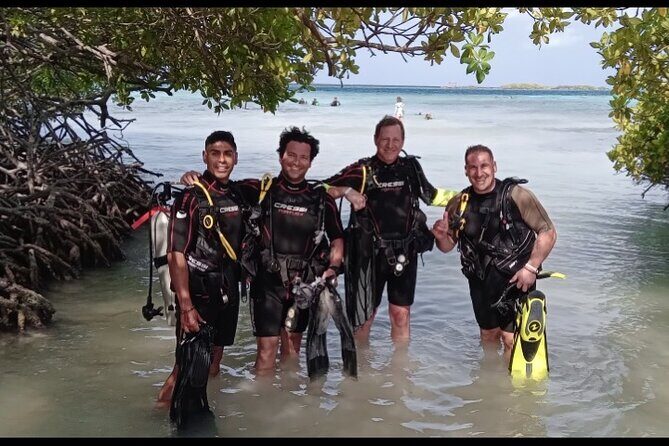
In scuba, confidence changes everything. The best instructors don’t rush. They check your comfort, explain what’s next, and adjust when a student needs extra time.
A lot of the positive feedback leaned on that exact approach:
- Instructors who take the time to ensure safety before the reef portion
- Calm, patient coaching in shallow water
- Quick returning to shore when someone needs a pause
- Attention not only underwater, but also in the lead-up and after
If you’re nervous, try to treat this as a learning experience first and a sightseeing trip second. You’ll get more out of it when you’re focused on breathing, staying relaxed, and letting the instructor guide you step by step.
Some participants also mentioned GoPro-style video capture. That may not be guaranteed for everyone, but it suggests at least some instructors use cameras to document the experience. If this matters to you, ask when you confirm your spot.
Who This Program Is Best For (And What It Isn’t)
This is designed for non-certified participants who want a supervised taste of scuba. It’s not a full certification program. You’re going through a Discover Scuba experience with training and a quiz, then a reef session—ending with a Certificate of Completion.
So I’d consider booking if you:
- Want your first scuba experience without committing to certification right away
- Prefer small groups and hands-on attention
- Learn best when instruction happens in stages: land, shallow practice, then open water
- Love the idea of seeing coral and fish right away
I’d think twice if you:
- Have a hard time with time buffers (because a few people reported waiting due to equipment setup)
- Need very exact drop-off timing for another activity
- Are looking specifically for a full certification (this isn’t that)
Also, the activity lists a moderate physical fitness level requirement. That doesn’t mean you need to be an athlete, but you should be prepared for a hands-on training session.
Should You Book This Aruba Try-Scuba Program?
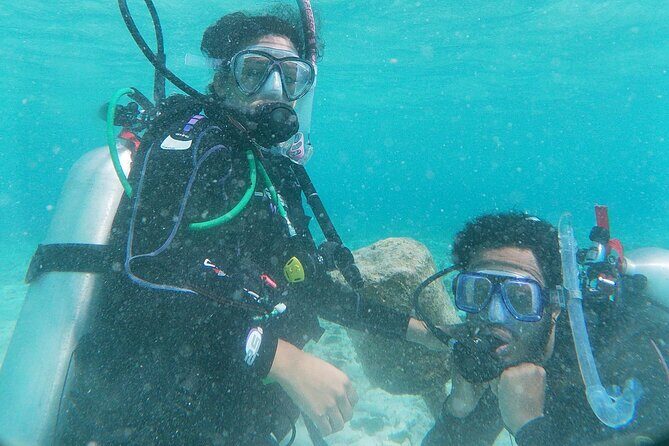
If you’re on the fence, I’d book it if your goal is simple: get a safe, guided first taste of underwater life with gear provided and small-group instruction.
The biggest reasons to choose this program are practical:
- You get a real progression (video and quiz, then shallow skills, then the reef)
- Your group stays small, so you’re not stuck waiting for help
- Feedback consistently praises patient instructors like Carlos, Javier, Gio, Sebastian, and Izhar
- The setting is a true reef experience at Mangel Halto Reef, with coral, fish, and sometimes wreck sights
I’d only skip it if your schedule is too tight for a possible delay getting equipment sorted, or if you want a full Open Water certification right now.
If you want a first scuba experience that feels guided instead of rushed, this is a strong value at $99.
FAQ
How long is the PADI Discover Scuba program?
It runs about 3 hours (approx.).
Do I need scuba certification to book?
No. This is for non-certified participants. It is not a scuba certification course.
Where does the experience start?
The meeting point is Ir. Luymesstraat 3, Savaneta, Aruba.
Is pickup available?
Pickup is offered. You can either meet at the designated spot or request pickup if that’s easier.
What’s included in the training?
You’ll watch about 20 minutes of video, read the PADI program book, take a quiz, complete shallow-water skills, and then do an underwater experience at Mangel Halto Reef. You also receive a Certificate of Completion.
Do I need to bring my own scuba gear?
No. All your gear is provided, so you don’t have to source equipment separately.
What is the cancellation window?
You can cancel for a full refund up to 24 hours in advance. Changes within 24 hours are not accepted, and refunds are not offered if you cancel less than 24 hours before the start time.