REVIEW · ARUBA
Private First-Time Dive on Aruba’s Reef and Wreck Site
Book on Viator →Operated by Underdog Divers Aruba · Bookable on Viator
Aruba has a way of calming first-time nerves. This private scuba outing is built for your pace, with patient coaching from instructors like Alan and Ray, plus a reef-and-shipwreck plan you can actually enjoy without feeling rushed. I love the small group setup (max 4) and the adjust-your-comfort teaching style.
One thing to think about first: the provided fins are tropical-water fins designed to be worn barefoot, and that can mean blister risk for sensitive toes.
In This Review
- Key highlights worth planning around
- Private Aruba reef-and-wreck scuba: why this feels worth $120
- Where you meet in Aruba and how the 3 hours usually run
- The 20-minute on-land safety talk (and why it sets up everything)
- Shallow-water practice: the confidence-building part nobody sees on brochures
- Reef and shipwreck: what you’re likely to see up to 40 feet
- How the instructors keep nervous first-timers calm (and not rushed)
- Comfort reality check: fins, blisters, and the few rules you must follow
- Is it worth $120? When this private format makes the most sense
- Should you book Underdog Divers Aruba’s private reef-and-wreck session?
- FAQ
- FAQ
- What’s included in the experience?
- Is this a private tour?
- How many people are in the group?
- What depth will we reach?
- Do they offer pickup?
- Where does the tour start?
- Do I need to complete a medical questionnaire?
- What do I need to be able to do physically?
- How long is the experience?
- Is there a rule about flying after the session?
- What if weather cancels the activity?
- Can I get a refund if I cancel?
Key highlights worth planning around
- Max 4 people keeps instructions tight, personal, and easy to ask questions in real time
- 20-minute on-land safety briefing before you ever go in the water
- Shallow-water practice first with exercises to get comfortable using the gear
- Reef + shipwreck site is part of the usual plan for first-time DSD sessions
- Up to 40 feet is the target limit, with comfort and safety driving how deep you actually go
- 97% recommended, 4.9 rating from 192 reviews signals consistently strong instruction and care
Private Aruba reef-and-wreck scuba: why this feels worth $120
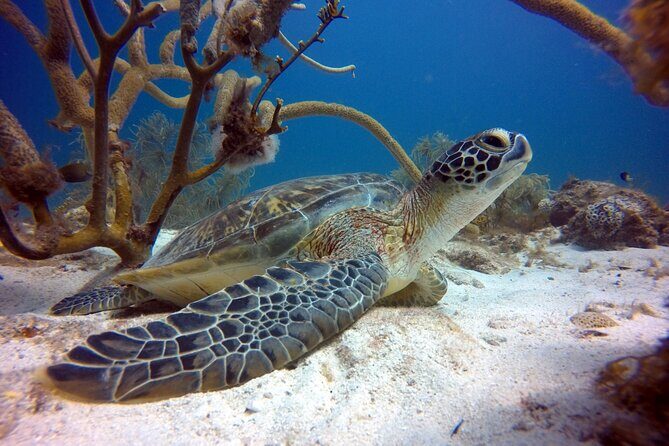
For $120 per person, you’re not paying just for a spot on a boat. You’re buying a guided learning session with real attention. The private format matters because first-time underwater skills are mostly about confidence—breathing control, equipment comfort, and not feeling like you’re being timed.
What I like most is that the team clearly expects different comfort levels. The plan isn’t rigid. If you’re nervous, you go slower. If you’re ready to try more, the instructor can keep you moving. In reviews, people repeatedly call out Alan’s calm, patient explanations and Ray’s supportive coaching, and that same “teach to the person” approach shows up across the guides mentioned, including Pauline and Megan.
The other value piece is the mix of sights. You’re not just doing basic skills in a plain pool-like environment. You’re headed to a real reef area, and the usual first-time plan includes a shipwreck. That combination is why people leave talking about the experience as something they’ll remember, not just an activity they checked off.
Other scuba diving tours in Aruba
Where you meet in Aruba and how the 3 hours usually run
Your start point is Mangal HatoPos Chiquito Beach Park (F28H+5W9), Spaans Lagoenweg, Savaneta, Aruba. Pickup is offered, but if you’re driving yourself, you’ll want to arrive early enough to handle gear fitting and paperwork without stress.
The total time is about 3 hours (approx.), and the flow is straightforward:
- A land-based safety briefing first
- Then shallow-water equipment practice
- Then the real underwater portion to the planned depth limit
This timing works well because it gives you skills before sights. You don’t jump straight into the fun part. You earn it step-by-step, and that helps a nervous first-timer settle in.
Your session ends back at the meeting point, so you don’t need to worry about complicated after-hours transportation.
The 20-minute on-land safety talk (and why it sets up everything)
Before you ever step into the water, you get a full 20-minute safety instruction on land. That briefing isn’t random. It covers:
- The dive plan (so you know what to expect)
- How the equipment works
- Marine life and what you’ll likely see
For first-time attempts, that structure is gold. Most people don’t struggle because the ocean is “too scary.” They struggle because they don’t know what their body is supposed to do or how the gear will behave. When you already understand the basics—before you’re wearing everything—it’s easier to relax and focus on the experience.
You’ll also complete required medical paperwork: you must fill out the medical questionnaire provided over the messaging board and bring it to the program. The point isn’t paperwork for its own sake. It’s the foundation for a safer session.
Shallow-water practice: the confidence-building part nobody sees on brochures
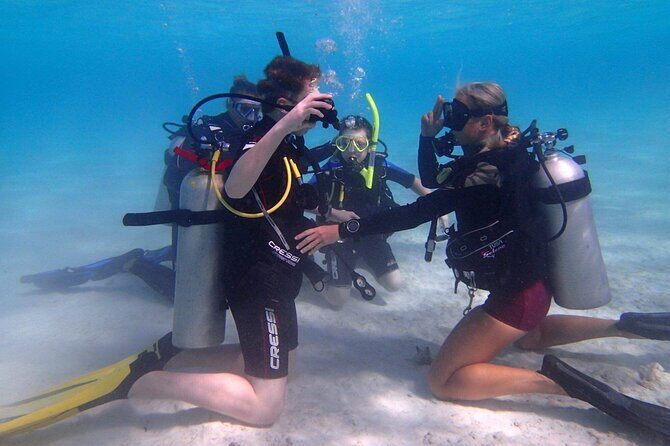
After the land briefing, the next step is practice in shallow water. This is where your instructor checks that you can handle the fundamentals calmly—using the equipment properly, following instructions, and completing exercises.
In the reviews, people consistently praise patience and “no rushing.” That matches the way this program is designed: there’s a max of 4 participants, so the instructor can actually watch what you’re doing, correct small issues, and keep your breathing and movements steady.
This is also where comfort level drives pacing. You’ll see the benefit if you’re anxious: the team can stay with the basics until you feel ready. One small but important detail: there’s no strict time limit mentioned in your program description, and that flexibility shows up in how guests describe being taken at the right pace for them.
Reef and shipwreck: what you’re likely to see up to 40 feet
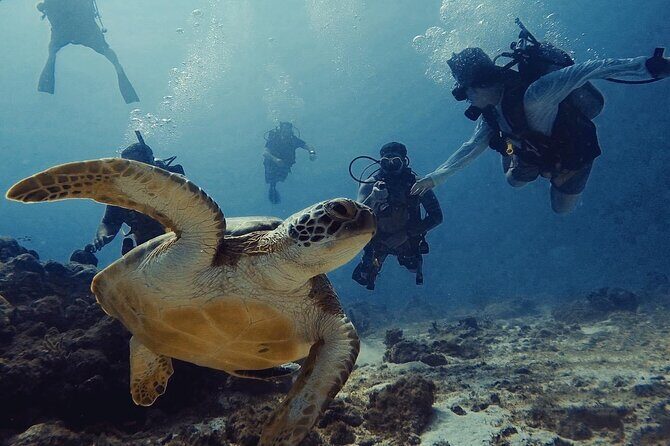
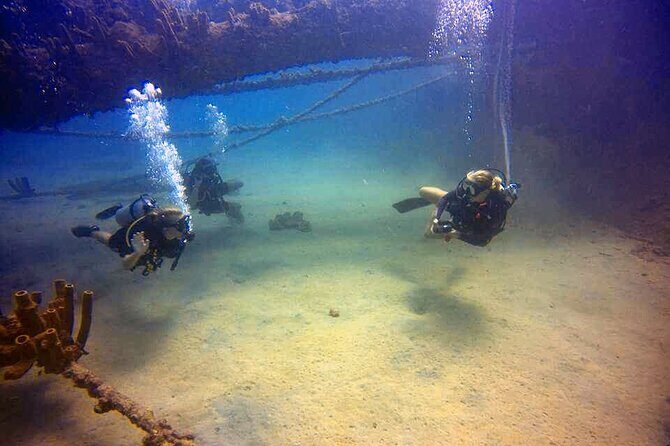
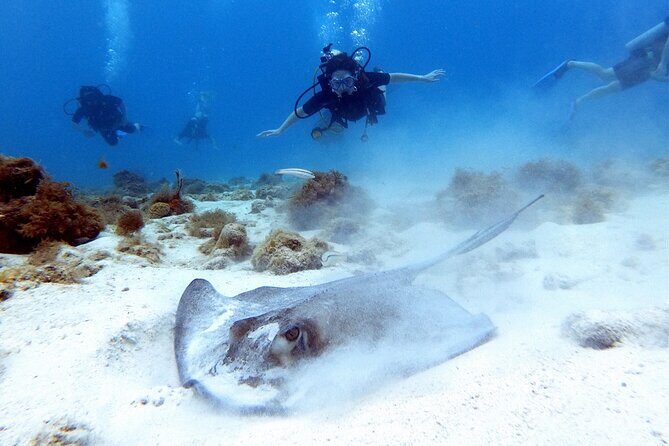
Once everyone in the group is comfortable with the equipment, you move into the real underwater portion. The maximum depth for this experience is up to 40 feet.
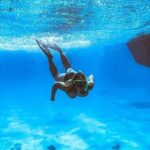
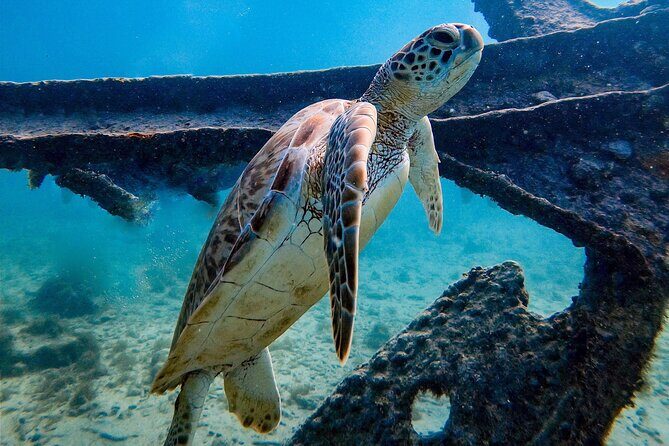
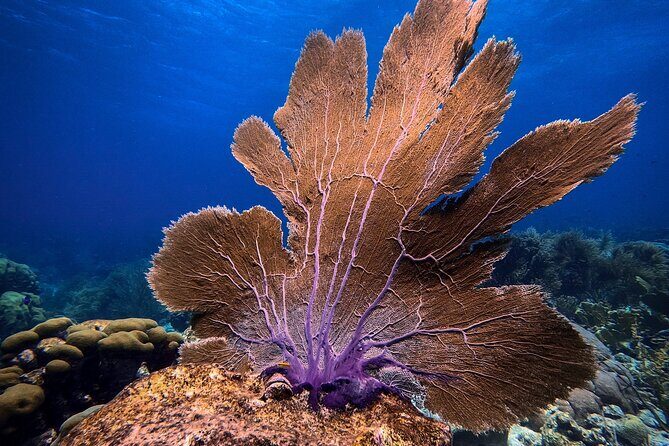
Your underwater route is built around a coral reef, with lots of marine life. For many people, this is the “wait, this is real?” moment. Fish are close, coral adds color and texture, and the whole scene feels different from what you get at the surface.
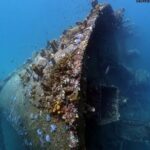
A key added attraction for these first-time sessions is that you’ll usually visit a shipwreck site. Even if you’re only a short distance from it, a wreck changes the whole vibe. It adds shape, structure, and that sense of exploring something that has a story.
One practical caution from a review: if an ear issue prevents comfortable pressure equalization, the team may keep you shallower than planned. That doesn’t automatically ruin the experience. You can still see coral and fish, just at a depth that’s more comfortable for your body.
Other shipwreck and reef dives in Aruba

How the instructors keep nervous first-timers calm (and not rushed)
If you’ve ever taken a lesson that felt like it was designed for the confident person in the room, you’ll appreciate how this team teaches instead. Reviews repeatedly mention:
- instructors being patient
- clear explanations
- guidance that adapts to the student’s comfort level
Alan shows up a lot in the feedback, with guests describing him as professional, thorough, and great at calming first-time nerves. Ray also gets credit for being supportive and making the process less mysterious.
I also like that this doesn’t feel like a “one-size-fits-all” class. The program can be adjusted for participants who are more nervous or more adventurous. That matters because underwater comfort isn’t just about bravery—it’s about learning how to move and breathe in a new environment. When you’re taught to the pace you need, you spend more time enjoying the reef instead of managing panic.
And yes, you might find that some instructors take photos and videos during the outing (one guest said these were available to purchase). If you want visual proof that you really did this, it’s worth asking about the options beforehand.
Comfort reality check: fins, blisters, and the few rules you must follow
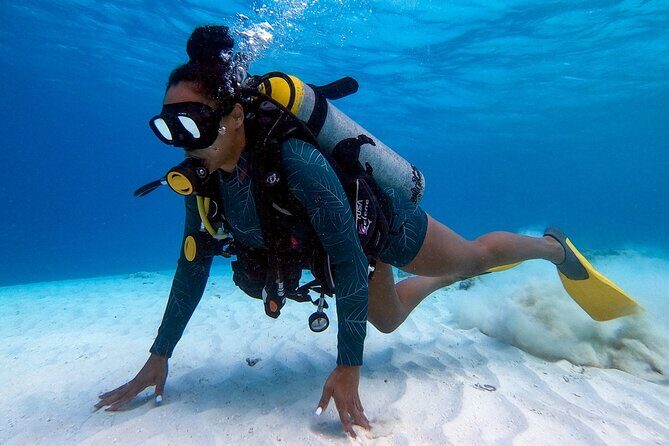
Here’s the honest part of planning: you need basic swimming skills to join, and you should be ready for the physical feel of fins. The fins provided are meant for bare feet. One review mentions blisters from flippers, so if you’re prone to foot rubbing, think ahead.
What I’d do in your shoes:
- If you’ve had blister problems with fins before, ask in advance what options exist for foot protection.
- If you’re packing for Aruba, consider bringing your own foot protection if that’s allowed by the operator you book (or at least ask what they recommend).
You also must respect the flight timing rule: keep at least 18 hours between your underwater session and any flight. That’s one of those requirements that’s easy to ignore until it ruins your schedule—so plan your travel days with it in mind.
Finally, the experience requires good weather. If it’s canceled due to poor weather, you’ll be offered a different date or a full refund (not just “too bad”).
Is it worth $120? When this private format makes the most sense
This is one of those prices that only feels “high” if you’re comparing it to a shared-group outing. Here, you’re paying for:
- a private group experience (only your group participates)
- a small max group size (up to 4)
- slow, confidence-first instruction
- flexible pacing without a strict time chase
If you’re going as a couple, you often get even more value because two people can learn together while still receiving individual attention. If you’re going solo, the value comes from the coaching staying focused on you rather than shared among strangers.
This is especially a great fit if:
- it’s your first time trying scuba
- you’re nervous and want a calm teacher
- you want the reef and shipwreck experience without the pressure of a rigid schedule
- you want pickup and drop-off included (when offered)
It’s less ideal if you’re trying to fit the outing into a tight travel window where you can’t give it time to run and where the 18-hour flight spacing is hard to manage.
Should you book Underdog Divers Aruba’s private reef-and-wreck session?
Yes, if you want a first-time underwater experience that prioritizes comfort and real instruction. The biggest reason to book is the teaching style: patient, attentive, and adjustable. Add in the reef and the shipwreck site, and you get more than a basic try-you-out moment.
If your feet blister easily from fins, plan for that before you show up. If you have any ear pressure concerns, be ready that the team may keep you shallower than the headline depth. Those are manageable issues, but they’re worth thinking about ahead of time.
FAQ
FAQ
What’s included in the experience?
You’ll get a land-based safety instruction (20 minutes), shallow-water exercises to practice the equipment, and then an underwater portion to a maximum depth of up to 40 feet.
Is this a private tour?
Yes. It’s private, and only your group will participate.
How many people are in the group?
The group is capped at a maximum of 4 participants.
What depth will we reach?
The maximum depth is up to 40 feet.
Do they offer pickup?
Pickup is offered.
Where does the tour start?
The start point is Mangal HatoPos Chiquito Beach Park (F28H+5W9), Spaans Lagoenweg, Savaneta, Aruba, and the activity ends back at the meeting point.
Do I need to complete a medical questionnaire?
Yes. You must fill out the medical questionnaire provided over the messaging board and bring it with you to the program.
What do I need to be able to do physically?
You must have basic swimming skills, and most travelers can participate.
How long is the experience?
It’s about 3 hours (approx.).
Is there a rule about flying after the session?
Yes. You should keep at least 18 hours between your underwater session and any flight.
What if weather cancels the activity?
This experience requires good weather. If it’s canceled due to poor weather, you’ll be offered a different date or a full refund.
Can I get a refund if I cancel?
Free cancellation is available. You can cancel up to 24 hours in advance for a full refund. If you cancel less than 24 hours before the start time, the amount paid won’t be refunded.