REVIEW · ARUBA
Small-Group Aruba Scuba Diving for Non-Certified Divers
Book on Viator →Operated by Pure Diving Aruba · Bookable on Viator
First-time scuba starts on the beach. This Aruba small-group program is built for non-certified scuba participants, with hands-on coaching and a simple path from classroom-style basics to real time underwater. I especially like the max of four people setup, because it means you get constant attention from instructors like Steve, Alonso (and Alvaro), with extra patience when your brain is busy panicking.
The big thing to think about up front: you must complete a PADI/SDI-style medical questionnaire before you go. If your answers raise a concern, you’ll need to check with a doctor and bring written permission—one recent booking was stopped for medical reasons.
In This Review
- Key Highlights at a Glance
- First-Timer Scuba in Aruba: What This Experience Really Gives You
- Your Afternoon Schedule: 2:00 pm Start and a 2-Hour Commitment
- Where You Start: Tres Trapi Meeting Point and Pickups From Nearby Resorts
- Gear Setup: What’s Included and What You Can Bring Yourself
- Shallow-Water Skills, Then a Controlled Go-To-Depth Moment
- Tres Trapi vs Mangel Halto: Why These Shore Spots Work for Beginners
- Instructor Ratio and Safety: Why Small Groups Feel Like Training, Not Performance
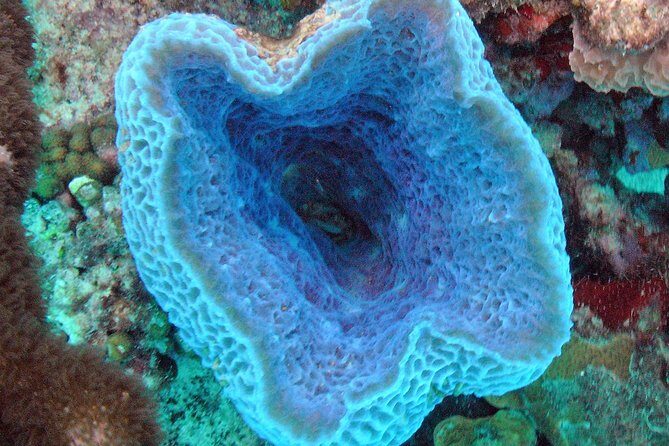
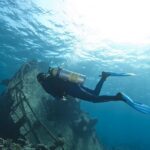
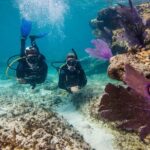
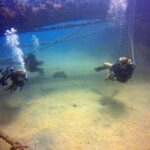
- What You’ll See Underwater: Coral, Fish Schools, Eels, and Turtles
- Price and Extras: Is $114 Good Value Here?
- Timing Rules and Real-World Planning: The Flight Restriction
- The Medical Questionnaire: Your Most Important Pre-Trip Task
- Should You Book This First-Time Scuba Session?
- FAQ
- Who is this scuba experience for?
- When does it start, and how long does it take?
- Where will the underwater activity happen?
- What equipment is included, and can I bring my own?
- How many people are in the group?
- Is pickup included?
- What’s the total cost once fees are included?
- What medical steps do I need to take before booking?
- Can I fly after the experience?
Key Highlights at a Glance
- Max 4 people so you’re not lost in a crowd
- Theory + gear + skills before you go deeper
- Up to 2 students per instructor, plus extra support in the water
- Shore-based sites at Tres Trapi or Mangel Halto, chosen for calmer conditions
- Real wildlife sightings like turtles, eels, and lots of reef fish during a first session
First-Timer Scuba in Aruba: What This Experience Really Gives You
You’re paying for more than time in the water. You’re buying structure. This is a “learn fast, then practice” setup, designed to move you from first-time nerves to controlled breathing, mask comfort, and confident buoyancy—without needing any past certification.
The value is in the pacing. You start with a briefing, then you fit yourself in the gear, then you practice in shallow water until it feels normal. Only after that do you go deeper, and even then, your instructor is watching you closely the whole time.
And the shore-based setting matters. A beach entry generally means fewer moving parts than a boat plan. It’s also easier on travel logistics: you’re not chasing schedules out at sea. That’s a real advantage if you’re prone to overthinking (hello, adult nerves).
Other scuba diving tours in Aruba
Your Afternoon Schedule: 2:00 pm Start and a 2-Hour Commitment
This runs as an afternoon program, starting at 2:00 pm. Expect the whole experience to last about 2 hours.
A typical flow looks like this:
- A theory and briefing portion first (about 30 minutes)
- Equipment setup (BCD, regulator, weights, tank, mask, fins)
- Shallow-water skills so you can feel your breathing and comfort
- If you’re doing well, you continue to the deeper section at the site
- You return back to the starting meeting point afterward
Why the timing matters: you’ll finish early enough to still enjoy Aruba afterward. It also helps if you’re planning dinner or other afternoon stops. The tradeoff is you shouldn’t expect a long “all day under the reef” experience. This is a first-scuba session, not a marathon.
Where You Start: Tres Trapi Meeting Point and Pickups From Nearby Resorts
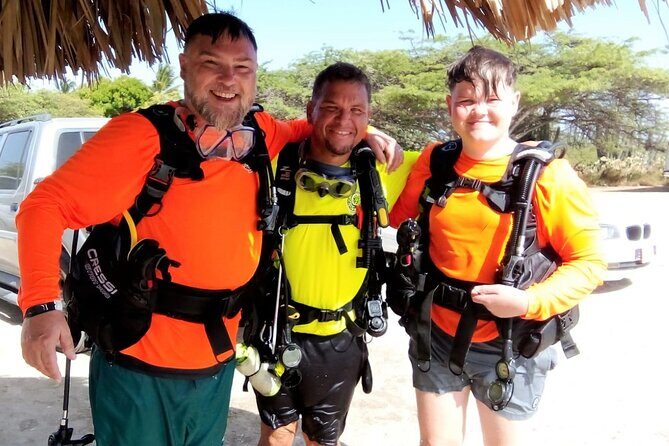
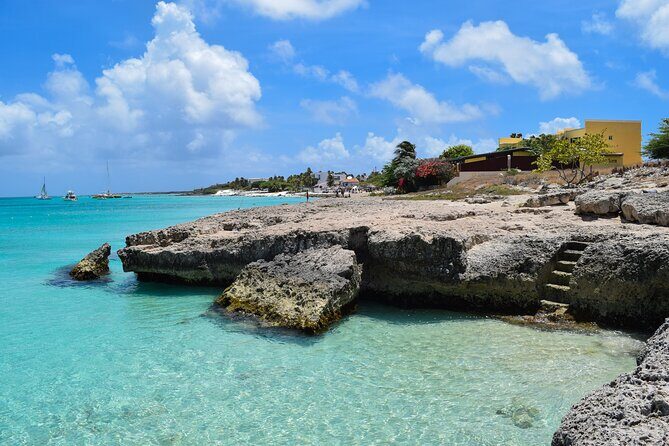
Your meeting point is Tres Trapi Beach, L. G. Smith Boulevard 105, Noord, Aruba. The activity ends back at this same area.
Pickup is offered from:
- Palm/Eagle resorts
- Harbor House
- Renaissance resorts
- And the cruise terminal pickup area (opposite the cruise terminal exit is a Citgo petrol station)
If you’re staying in or near Noord, this is convenient. If you’re on a cruise, the Citgo reference is useful because it’s clear and easy to spot when you’re trying to avoid the chaos of port timing.
Quick tip: if you’re using a rental car, still consider how tight beach timing can feel with equipment involved. A pickup removes one stressor.
Gear Setup: What’s Included and What You Can Bring Yourself
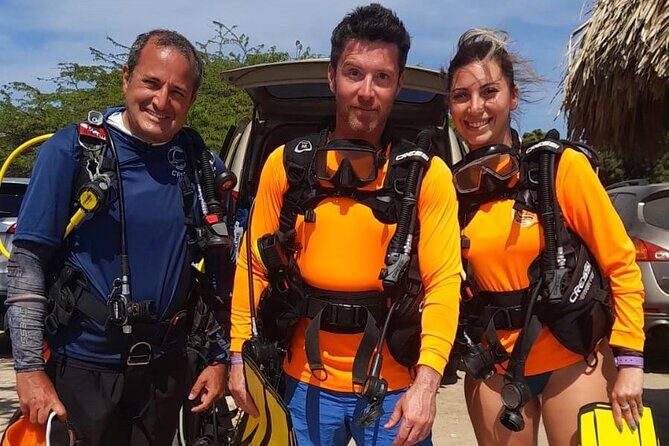
Included equipment is listed clearly: BCD, regulator, weights, tank, mask, and fins. You’re also welcome to use your own mask and fins if you prefer.
That little option is more important than it sounds. If your mask fit has never annoyed you on snorkeling days, keep that comfort. A well-fitted mask can reduce the mental load of your first scuba session. And fins that match your comfort level can make your early movements feel more natural.
During the skills practice, you’ll likely spend time on basics like:
- settling into your breathing rhythm
- learning what to do if your mask needs attention
- getting comfortable equalizing your ears during controlled descent
That kind of practice is exactly why this experience starts in shallow water.
Shallow-Water Skills, Then a Controlled Go-To-Depth Moment
After your gear check, you go into shallow water for skills. The whole idea is to help you get comfortable with the equipment while your body is calm and your head is clear enough to learn.
Once you’re managing the basics—staying with your instructor, following cues, and feeling steady—you’re taken to the deeper portion of the site.
A great sign from real first-timers: many people describe feeling safe because instructors stay close and do constant checks. If you’re the type who gets nervous when things get “real,” you’ll probably appreciate that the guidance is hands-on. In one story, an instructor stayed with a nervous partner the whole time while the other participant went a bit farther.
That’s the heart of the experience: you don’t get thrown in. You get coached until you’re ready.
Other scuba diving tours in Aruba
Tres Trapi vs Mangel Halto: Why These Shore Spots Work for Beginners
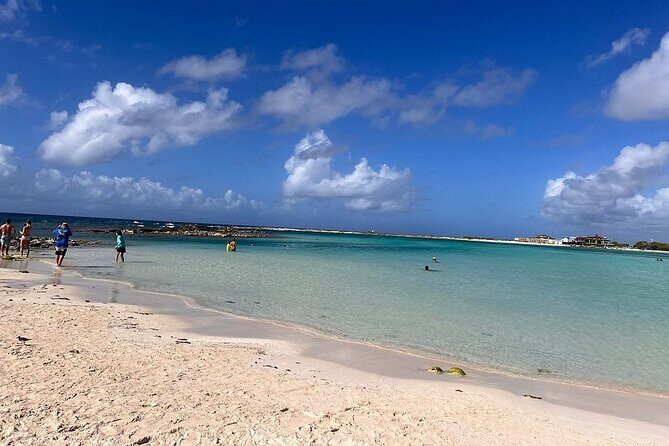
Your underwater location is either Tres Trapi or Mangel Halto. Both are shore-access options, which is part of why this works so well for non-certified scuba participants.
Tres Trapi shows up repeatedly in positive outcomes. It’s known for:
- calm, beginner-friendly conditions
- good visibility when the sea cooperates
- reef life close enough to experience without needing complex navigation
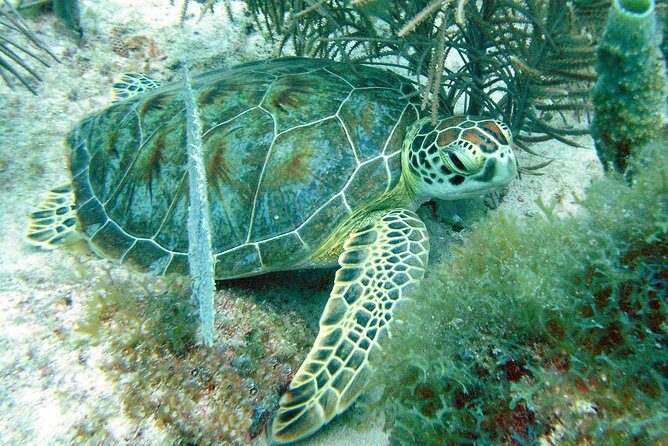
You also tend to hear about turtles here. People describe seeing turtles up close, plus coral structure and schools of colorful fish.
The realistic note: water can get a bit murky depending on conditions. One person mentioned murkiness and connected it to weather, but still had a good time. So think of visibility as “great when conditions are right,” not guaranteed.
Instructor Ratio and Safety: Why Small Groups Feel Like Training, Not Performance
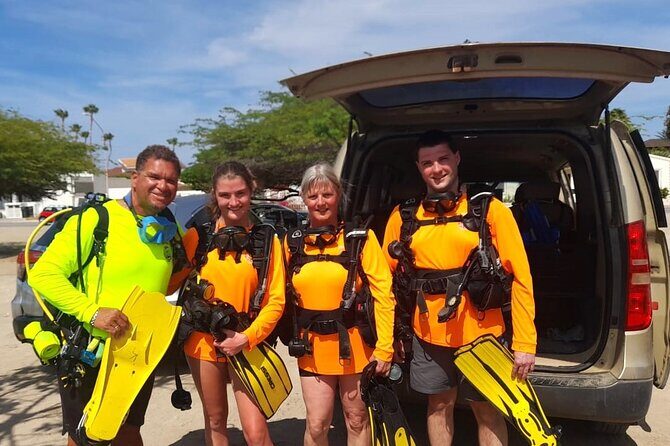
This is where the experience wins points fast. The tour is capped at 4 travelers, and instructors take max 2 participants per instructor.
That matters because your first session is full of micro-skills. You’ll be learning things like mask control, breathing timing, and how to clear your ears. When the ratio is tight, your instructor can correct you quickly—before small problems become big distractions.
You can see this in the instructor praise too:
- Steve gets called out for being patient and easing anxiety
- Alonso/Alonzo earns major credit for helping beginners understand the process underwater step-by-step
- Jay and Michel show up in other first-time stories as professional, supportive guides
- Alvaro appears alongside Alonso in accounts of a well-coached experience
Even when people mention strong underwater sights, they usually pair it with coaching clarity. That’s a good sign: you’re not just “spectating.” You’re learning.
What You’ll See Underwater: Coral, Fish Schools, Eels, and Turtles
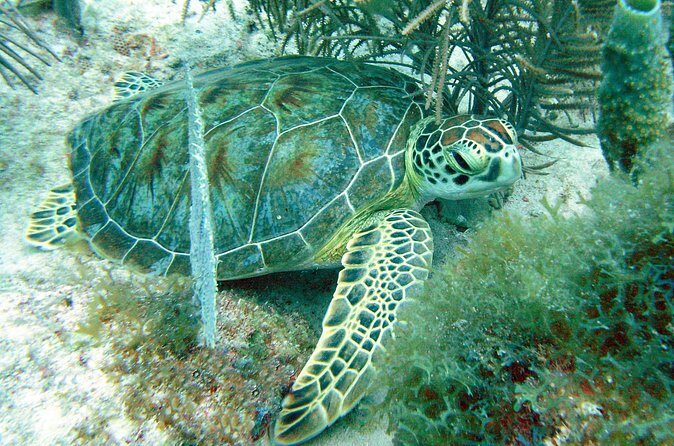
Here’s the part everyone wants: wildlife.
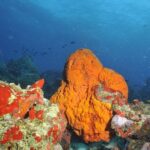
In the experience feedback, the common highlights include:
- turtles (including hawksbill mentions)
- eels
- octopus sightings
- flying fish
- puffer fish
- schools of silver fish
- colorful reef fish
- coral wall structure at Tres Trapi
One reviewer even described following a turtle, which is the kind of slow, awe-filled moment you want from your first underwater session. You don’t need a huge depth to get that “how is this real?” reaction.
One practical thought: wildlife watching is easier when you’re calm in your gear. If you’re relaxed, you’ll look around more. If you’re focused on staying in position and following cues, you’ll still see plenty—but the joy comes from feeling steady enough to look.
Price and Extras: Is $114 Good Value Here?
At $114 per person, this is positioned as an intro experience with real instruction, not just a ticket to the water.
You’re getting:
- a structured briefing (about 30 minutes)
- equipment (including the tank and regulator setup)
- instructor coaching in shallow water and guidance into deeper water
- a small-group model capped at 4
What’s not included:
- a BBO fee of $7.00 per person
So your “all-in” expectation is closer to $121 before any personal gratuity decisions.
For value, the best comparison isn’t price vs. snorkeling. It’s price vs. how much one-on-one coaching you’re likely to get. In a big group, first-timers can spend more time waiting than learning. Here, the small count and instructor ratio help you actually practice.
Also, the fact that this starts at 2:00 pm from shore sites is a quiet cost-saver. Less complicated logistics often mean fewer hidden stress costs.
Timing Rules and Real-World Planning: The Flight Restriction
After your underwater session, you’re not allowed to fly for at least 18 hours.
That’s a big deal if you’re on a tight cruise itinerary or you’re flying the same day. Build your schedule so the session is comfortably before your travel. If you’re checking bags later the same day, still plan for the 18-hour rule to protect yourself.
Also note: the experience requires good weather. If it’s canceled due to poor weather, you’ll be offered a different date or a full refund.
The Medical Questionnaire: Your Most Important Pre-Trip Task
Before you book, search the Internet for the relevant PADI/SDI medical questionnaire used for these kinds of discovery-style scuba experiences.
A key point: a “Yes” answer doesn’t automatically mean you’re banned from diving. But it does mean you should not assume you’re cleared. You’ll need to consult your doctor and bring written permission.
This is not a small formality. It’s the difference between going on your day and losing it. One booking ended with a medical-questionnaire issue, so treat this as serious homework.
Practical move: complete it early, not the night before your reservation. That way you have time to talk to your doctor if anything comes up.
Should You Book This First-Time Scuba Session?
I’d book it if:
- you want a first-time structured experience with lots of instructor attention
- you prefer a small group and shore-based simplicity
- your goal is learning the basics and seeing real marine life like turtles and reef fish
- you’re willing to do the medical questionnaire work up front
I’d hesitate if:
- you’re unsure about the medical questionnaire outcome and don’t have time to get doctor clearance
- you need a long water time (this is about a 2-hour total commitment)
- you’re hoping for a deep technical exploration rather than a beginner-friendly intro
If you go, the best mindset is simple: treat it like training, not a test. Once you can breathe calmly and follow cues, the underwater views do the rest.
FAQ
Who is this scuba experience for?
This is designed for non-certified scuba participants. The minimum age is 10 years.
When does it start, and how long does it take?
It starts at 2:00 pm and runs for about 2 hours (approximately). It ends back at the meeting point.
Where will the underwater activity happen?
The underwater portion is at Tres Trapi or Mangel Halto.
What equipment is included, and can I bring my own?
The experience includes a BCD, regulator, weights, tank, mask, and fins. You can also use your own mask and fins if you prefer.
How many people are in the group?
The group is limited to a maximum of 4 travelers, with a maximum of 2 participants per instructor.
Is pickup included?
Yes. Pickup is offered from Palm/Eagle resorts, Harbor House, and Renaissance resorts, and there is also cruise terminal pickup (opposite the cruise terminal exit is a Citgo petrol station).
What’s the total cost once fees are included?
The price is $114 per person, and there’s an additional BBO fee of $7.00 per person that is not included.
What medical steps do I need to take before booking?
You should complete the relevant PADI/SDI medical questionnaire before you book. If you have any concerning answers, consult your doctor and bring written permission if needed.
Can I fly after the experience?
No. After the scuba activity, you’re not allowed to fly for at least 18 hours.