REVIEW · ARUBA
Night Shore Diving Mangel Halto Aruba for Certified Divers
Book on Viator →Operated by Nautilus Dive Center Aruba · Bookable on Viator
Night water has a different sound. This Aruba night scuba session takes you to the Mangel Halto reef area and The Hole in the Wall with a PADI instructor guiding a 1-tank shore-entry plan. What I like most is the clear, hands-on setup before you head out, plus the chance to see reef life at night, when it behaves and looks completely different than daytime. One thing to think about: you’ll be swimming out from the beach, so bring the right gear and be ready for a short paddle first.
Two things I especially value: the equipment fitting happens right at the shop, and the crew keeps things calm and organized for certified divers of different comfort levels. In fact, I’ve seen firsthand how much difference a quick refresher and patient coaching can make when it’s been a while since your last night session (one guide named Bruno was praised for doing exactly that). The only drawback I’d flag is that night conditions demand focus—if you’re not comfortable in moving water or buoyancy control, take extra time to get squared away during setup.
In This Review
- Key highlights worth planning for
- Night scuba in Aruba: why Mangel Halto at 7:00 pm feels special
- Getting ready at Nautilus: gear fitting, restrooms, and a real briefing
- The “two-spot” underwater plan: Mangel Halto and The Hole in the Wall
- Mangel Halto at night
- The Hole in the Wall at night
- Shore-entry reality check: the 75 to 100 yard swim (and how a snorkel helps)
- Timing that actually works: 2 hours, 1 tank, and a 7:00 pm start
- Pickup and small-group attention: better communication when it’s dark
- Facilities and comfort: showers, lockers, and restrooms after you get back
- Price and value: is $80 per person worth it?
- Who should book this night reef session?
- Practical tips to make your night feel smoother
- Should you book this Aruba night scuba option?
- FAQ
- What time does the Aruba night scuba session start?
- How long is the experience?
- Is this only for certified divers?
- How many tanks are included?
- Do they provide equipment and facilities?
- Is the group small, and is pickup available?
Key highlights worth planning for

- Mangel Halto + The Hole in the Wall: two Aruba reef spots that feel very different after dark
- PADI instructor guidance: you’re not figuring night navigation out on your own
- 1-tank shore-entry format: efficient schedule, less time in transit, more time underwater
- Equipment fitting on-site: showers, lockers, and restrooms at the shop before and after
- Small group size (max 6): easier communication, more attention during the gear and briefing
- Bring a snorkel: the swim out from shore can be about 75 to 100 yards
Night scuba in Aruba: why Mangel Halto at 7:00 pm feels special

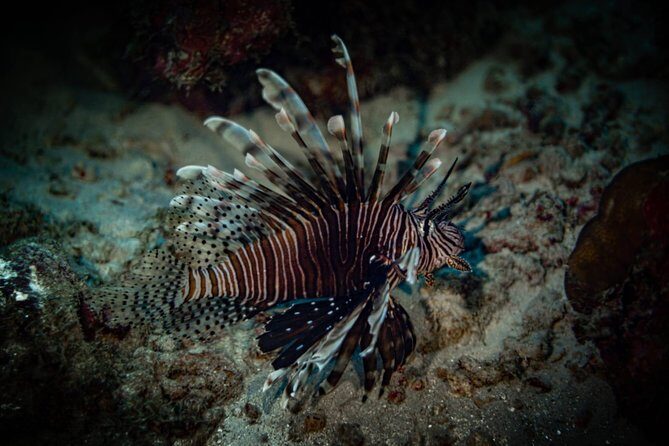
Aruba’s reefs look good in daylight. At night, they feel alive in a new way—shadows move differently, colors shift under your lights, and you notice small stuff faster because the scene is darker and more focused. That’s the core appeal here: you’re doing a shore-entry Aruba reef experience on a schedule built for evening visibility and calmer logistics.
Mangel Halto is known as a practical starting point for divers, with shore access that fits a tight, guided plan. Then The Hole in the Wall adds a different kind of underwater structure, where the night light creates contrast and you tend to spot marine life more by behavior than by size. If you’ve only ever seen these spots during the day, the nighttime contrast is exactly why this is a top pick.
Other beach tours we've reviewed in Aruba


Getting ready at Nautilus: gear fitting, restrooms, and a real briefing
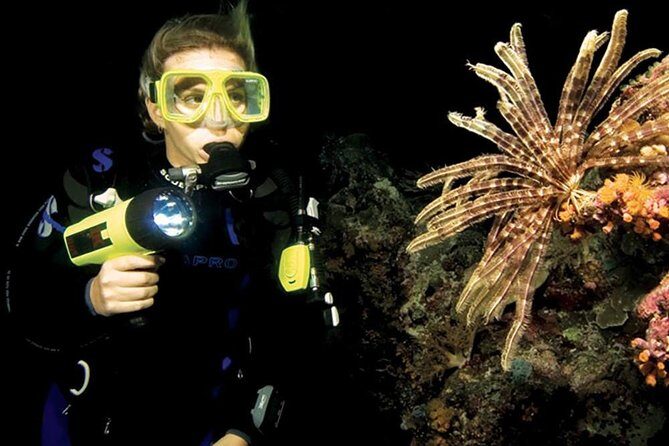
The setup matters on night outings. I like that this experience begins with gear fitting at the dive shop, so you’re not stuck wrestling with fins and BCDs at the last second. You’ll also have access to showers, lockers, and restrooms—that’s a bigger deal than it sounds, especially when you’re returning after dark and want to get cleaned up comfortably.
You can also expect guided help from a PADI instructor. One of the strongest signals from the feedback is how much patience matters: Bruno was specifically called out for being calm, giving clear procedures, and even doing a refresher before the water. If you’re returning to scuba after time away, that kind of targeted support can make the night feel manageable instead of scary.
Group size stays small (maximum 6 travelers), which usually means you get quicker answers to questions. In a night setting, that reduces the chance of confusion about buoyancy, safety checks, and the plan for entry and exit.
The “two-spot” underwater plan: Mangel Halto and The Hole in the Wall

This trip focuses on two reef areas: the Mangel Halto site and The Hole in the Wall. Because it’s a single-tank outing, the schedule tends to stay efficient—you’re not spread across too many stops, and you don’t burn time traveling between far-away locations.
Mangel Halto at night
At Mangel Halto, you’re basically trading daytime familiarity for nighttime detail. The reef setting gives you the chance to see corals and marine life with the help of your guide’s local knowledge. Night lighting changes how corals look and how fish move through the area, so even if you think you’ve “seen it before,” the night version is different.
The Hole in the Wall at night
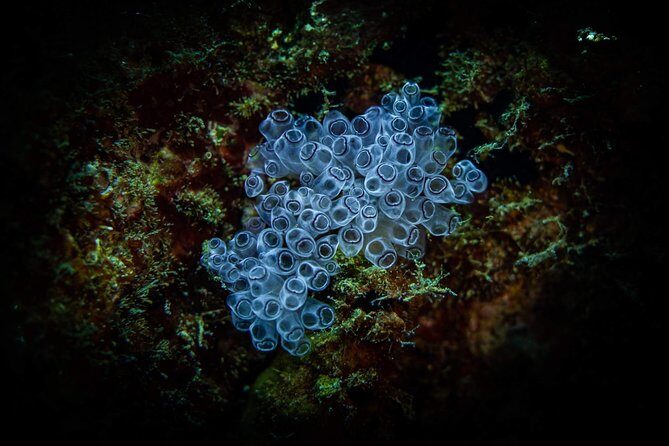
The Hole in the Wall offers a more structured, “what’s around that corner” type of experience. Under a diver’s light, textures and openings can look sharper and more dramatic than in daylight. It’s the kind of spot that rewards slow, controlled swimming and paying attention to where light falls—especially for spotting small reef life.
A practical note: both sites are shore-entry. That means the first challenge isn’t underwater—it’s the swim out from shore.
Other scuba diving tours in Aruba


Shore-entry reality check: the 75 to 100 yard swim (and how a snorkel helps)
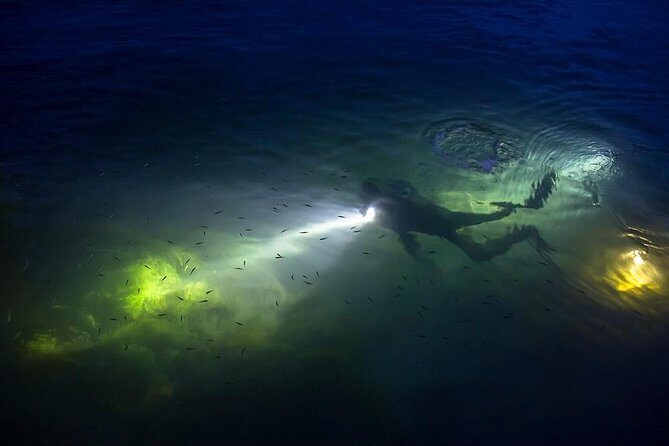
One review tip is short and useful: make sure you have a snorkel. The reason is very practical. You may need to swim out from the beach roughly 75 to 100 yards before you start your underwater time in earnest.
If you don’t have a snorkel, you can still do it, but it may feel more tiring or slow—especially if you’re managing gear and trying to settle your breathing after entry. If you do bring a snorkel, you’ll likely feel less strained on that surface segment and can focus better once you’re underwater.
Also, don’t treat this as a casual stroll. You’re combining shore entry, nighttime conditions, and equipment management. You don’t need to be an athlete to do it, but you should be comfortable in the water and confident following the instructor’s guidance.
Timing that actually works: 2 hours, 1 tank, and a 7:00 pm start
This experience runs about 2 hours and starts at 7:00 pm. That timing helps you get into the nighttime conditions without turning your evening into an all-day project. It’s also consistent with how small, guided reef outings usually function: meet, gear up, do the shore entry, complete the 1-tank plan, then return with enough time to get cleaned up.
A 1-tank format is also a value decision. It’s easier to schedule, and it usually keeps attention high during the underwater time. For certified divers, it’s often the sweet spot between “enough time to feel it” and “not so long that you rush the safety side.”
Since confirmation is provided at booking, you can plan your arrival around the pickup option if it’s offered to you. Just build in buffer time for gear fitting and the pre-water check.
Pickup and small-group attention: better communication when it’s dark
Pickup is offered, and the location is set in Savaneta near Ir. Luymesstraat 3. If pickup is available on your booking, it can reduce the stress of getting to the shop and suit-up area on time, especially in the evening.
This tour keeps the group capped at 6 travelers. That matters more at night than in daytime because instructions are shorter but more critical: how to check your equipment, how to stay oriented, what pace to swim, and what to do if visibility changes.
Mobile ticketing is also helpful. You’re not hunting for paper in the dark.
Facilities and comfort: showers, lockers, and restrooms after you get back
Night outings can leave you wanting two things fast: a calm return and a place to clean up. This one has showers, lockers, and restrooms at the dive shop, which makes post-gear cleanup straightforward.
Comfort items aren’t listed in detail, so I won’t invent anything. But the presence of basic facilities means you’re less likely to end up feeling stuck at the end of the outing—especially if you’re also trying to keep plans for dinner or a drive back.
Price and value: is $80 per person worth it?

At $80 per person, this is priced like a focused, guided shore-entry night scuba experience rather than a full-day, multi-site production. The value comes from what you get packed into a short window:
- A PADI instructor guiding the session
- Gear fitting before you enter
- A 1-tank plan at recognizable Aruba reef areas
- A small group size that supports safety and communication
- Basic post-setup comfort (showers, lockers, restrooms)
If you’re an already-certified diver, you’re not paying for training. You’re paying for guidance, site access, gear support, and the nighttime “what you can’t see on TV” quality—spotting marine life after dark is exactly the kind of experience that doesn’t feel interchangeable.
The one tradeoff is the shore-entry swim segment. If you’re worried about surface effort or you’re easily fatigued, you may feel the “value” less strongly because you’ll work harder just getting in position. Still, bringing a snorkel can make that part more comfortable.
Who should book this night reef session?
This works best for certified divers who want a night experience without a complicated setup. The activity is suitable for all skill levels of certified divers, from beginner to seasoned pro, which usually means the guide plan and pacing can adjust to the group.
I’d especially recommend it if:
- You’ve never done night scuba before and want it guided
- You haven’t been in the water for a while and want a refresher-style approach
- You enjoy structured plans with small group attention
- You want Aruba’s top reef areas with nighttime viewing
I’d be more cautious if:
- You’re uncomfortable with buoyancy or staying relaxed underwater
- You don’t handle short surface swims well
- You tend to get anxious in low-visibility conditions
Night experiences aren’t about speed. They’re about calm control and good communication. If you’re a steady person in the water, this is a strong fit.
Practical tips to make your night feel smoother
Here’s what I’d treat as “bring it, don’t regret it” based on what you’re likely to feel during shore entry and night conditions:
- Bring a snorkel. The surface swim can be about 75 to 100 yards, and a snorkel makes that easier.
- Be ready for gear setup before the water. A good equipment fit is the difference between enjoying the night and thinking about your equipment the whole time.
- Listen closely to the guide on procedures. Night sessions need simple, repeatable safety steps.
- Keep your expectations realistic for a 1-tank plan. You’ll get a meaningful underwater window without a huge time commitment.
Also, confirmation is received at booking, and the experience is weather-dependent. Good conditions matter for night visibility and overall safety, so keep your plans flexible.
Should you book this Aruba night scuba option?
If you’re a certified diver and you want a standout Aruba evening that’s guided, organized, and not overly long, I’d book it. The combination of PADI instruction, a small group, and a focused 1-tank night plan is built for people who want the experience without the stress.
I’d think twice only if shore entry effort scares you or if you know you struggle when conditions get darker and more demanding. Otherwise, this is one of the more practical ways to see Aruba reef life at night—especially if you take the simple advice to bring a snorkel.
FAQ
What time does the Aruba night scuba session start?
The start time is 7:00 pm at the meeting point in Savaneta.
How long is the experience?
It runs about 2 hours (approx.).
Is this only for certified divers?
Yes. This is for certified divers, and it’s suited for different certified skill levels.
How many tanks are included?
This is a 1 tank night shore scuba experience.
Do they provide equipment and facilities?
Yes. You’ll be fitted with equipment before heading out, and there are showers, lockers, and restrooms at the dive shop.
Is the group small, and is pickup available?
The group maximum is 6 travelers, and pickup is offered (if included with your booking). Mobile tickets are also used.