REVIEW · ARUBA
Aruba Downtown Historic and Cultural Walking Tour
Book on Viator →Operated by Aruba Walking Tours · Bookable on Viator
Oranjestad history is best on foot. This Aruba Downtown Historic and Cultural Walking Tour strings together Fort Zoutman views, museum time when open, and two included tastings for a day that feels both educational and practical. One thing to watch: it’s packed, and with heat and short stops, you may wish you could linger longer in the church or museum exhibits.
I like how the guides bring Oranjestad to life. In different runs I’ve seen names like Wendel, Milton, Evy, and Mariza pop up for their storytelling energy, plus personal details about island life. My main caution is that the tour can include occasional political commentary, which some people love and others prefer to keep lighter.
In This Review
- Key points before you go
- Where Oranjestad history clicks on a walking day
- Price and value: $45 well spent or not, depending on expectations
- Meeting point, timing, and the heat-proof way to start
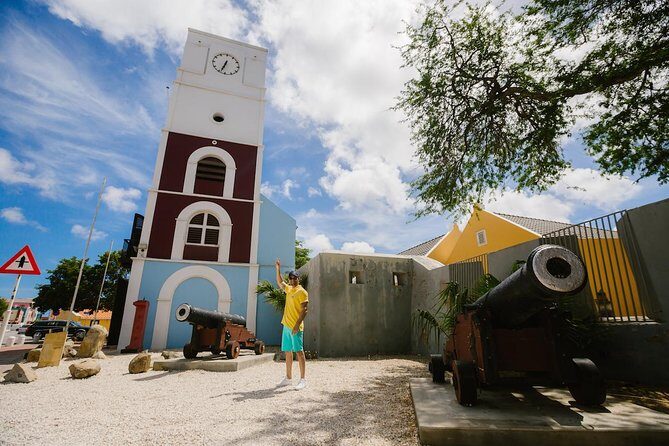
- Stop 1: Fort Zoutman Historical Museum and the clock tower view
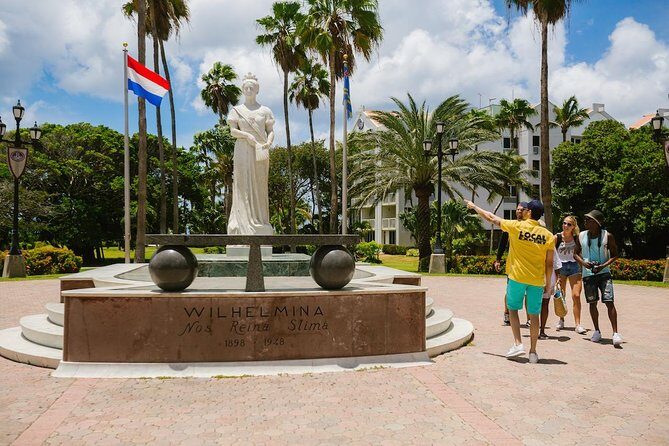
- Stop 2: Wilhelmina Park—statues, iguanas, and a quick reset
- Stop 3: National Archaeological Museum Aruba—early inhabitants up close
- Stop 4: Coco Plum Restaurant and the pan bati tasting
- Stop 5 onward: Oranjestad stories, old streets, and the tram idea
- Government buildings, Parliament, and a church stop that gets specific
- Havenstraat breakfast-and-parties tasting and a look at local streets
- How the guide shapes your day (and why that matters)
- Pace, stop length, and what to do if you want more time
- Who should book this Oranjestad walking tour?
- Should you book? My practical take
- FAQ
- What does the Aruba Downtown Historic and Cultural Walking Tour include?
- Are entrance fees included for the museums?
- How long is the tour and what time does it start?
- Where do I meet for the tour?
- What’s the price per person?
- What if I need to cancel?
Key points before you go
- A 2.5-hour downtown loop focused on Oranjestad landmarks and streets
- Museum entrance fees included at Fort Zoutman and the National Archaeological Museum when they are open
- Two food tastings included, including pan bati and a second local bite in Havenstraat
- Max 20 people with a multi-lingual guide and a generally gentle pace
- Built for the morning: 9:00 am start helps you beat the hottest hours
- Some variability by guide and timing, especially around stop length and how political the conversation gets
Where Oranjestad history clicks on a walking day
Oranjestad can feel like a small city once you’re moving through it. That’s why I like this format: you’re not just looking at buildings from a bus seat. You’re walking the same streets that shape daily life, so each stop lands with context.
The tour is also a nice starter for first-timers. You get “what to look at” (architecture, parks, churches, government buildings) and “how to connect it” (the island’s early inhabitants, colonial influences, and modern political structure). If you’re the type who wants to understand the place instead of just collecting photos, this style works.
The downside is simple: downtown sites don’t always cooperate with your ideal schedule. Museums and some interiors are only possible when open. And in strong daylight, your comfort matters more than your curiosity—so plan to move smart and pace yourself.
Other Oranjestad and cultural tours in Aruba

Price and value: $45 well spent or not, depending on expectations
At $45 per person for about 2 hours 30 minutes, the value comes from three places:
- Two museum stops with entrance fees included when open
- Two included tastings
- A local guide who explains what you’re seeing and points out what most people miss
If you come in expecting lots of museum time, you might feel time-crunched. Several comments point to “a lot to cover in a short stretch,” with the occasional wish for more minutes inside exhibits. But for the money, you’re paying for orientation and interpretation—what you’ll later use when you return to Oranjestad on your own.
Meeting point, timing, and the heat-proof way to start
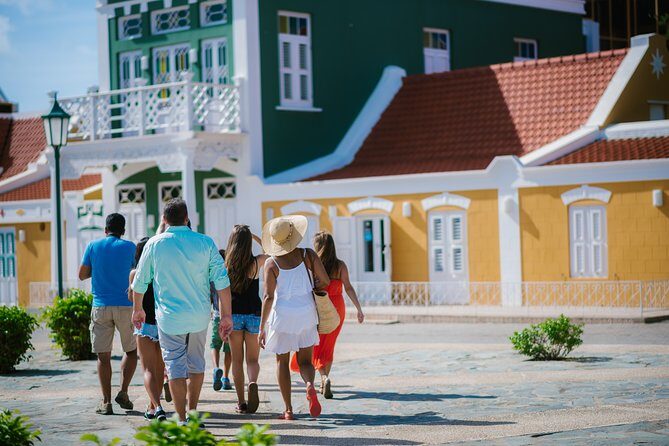
The tour starts at the Cosecha Aruban Craft Design & Heritage on Zoutmanstraat 1 in Oranjestad. It also runs with a 9:00 am start, which is exactly what you want on an island where midday can be intense.
There’s also an important practical note: have breakfast before you go. The tour information specifically flags heat and feeling unwell, so plan to eat first rather than assume you’ll be fine on coffee alone. You’ll get tastings during the walk, but those are not a full meal replacement.
Comfort matters more than fancy shoes. This is a walking route with around 30 stops (some are brief, some longer). Wear shoes you trust, and bring water. One review called out cold water as part of the experience, so you might be offered it—still, I’d treat water as something you should handle proactively.
Stop 1: Fort Zoutman Historical Museum and the clock tower view

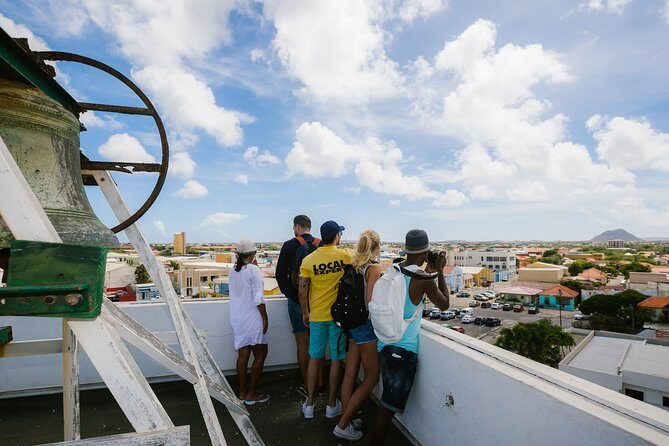
Fort Zoutman is the kind of stop that changes how you see downtown. The Historical Museum sits inside the area of an old fort built in the 1700s. When it’s open, you get inside for context—then there’s the best perk for photo lovers: climbing an old clock tower built in the 1800s for a view over Oranjestad.
What I like about this opening: it gives you a “then and now” anchor early. You start with a fort, you rise above the streets, and suddenly the rest of the walking route makes sense. It’s also a natural place for a good guide to set the tone—some guides, like Wendel and Evy, are praised for the way they tell stories with energy.
Possible drawback: if you’re hoping for long exhibit time, the tour timing is tight. The museum stop is still valuable, but it’s designed as part of a broader route, not a slow deep museum visit.
Stop 2: Wilhelmina Park—statues, iguanas, and a quick reset
Wilhelmina Park is a short stop, and that’s a good thing. You’ll learn about the statues in the park and you’ll likely spot iguanas—an easy win on a walking tour because it breaks the rhythm without feeling random.
This is also where your brain gets a small breather. After Fort Zoutman, you’re switching from big-picture history to street-level life. Parks do that well.
If you’re traveling with kids, this is also one of the stops that feels playful without losing the cultural thread.
Other walking tours we've reviewed in Aruba
Stop 3: National Archaeological Museum Aruba—early inhabitants up close
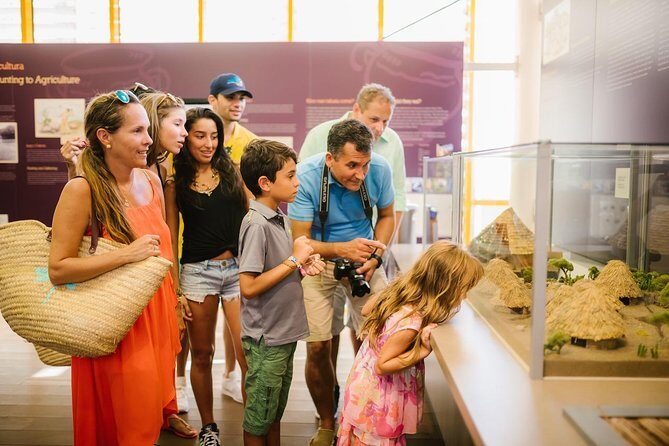
Next is the National Archaeological Museum Aruba. When open, you’ll go inside and learn about Aruba’s first inhabitants, with displays like pottery, skulls, and tools used in early days.
The museum is also described as an excellent backdrop for pictures outside. That matters because not every stop is guaranteed to give you the same inside time. When the weather is strong or the heat is high, you can still get value from the exterior views and your guide’s explanations.
Possible drawback: this is another “open when open” stop, and some people wished they could read more of the exhibits. If you enjoy slow museum reading, you’ll likely want to return to the museum on your own later.
Stop 4: Coco Plum Restaurant and the pan bati tasting
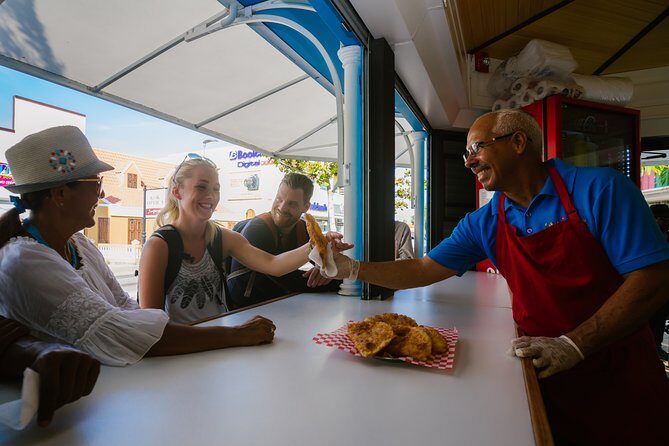
This tour doesn’t treat food like an afterthought. The first tasting is at Coco Plum Restaurant, where you learn about and taste a local snack called pan bati, still popular with locals.
What I like here is the phrasing of the stop: you don’t just eat; you learn what the food represents and why it shows up in everyday life. On islands, that kind of context makes your meal feel less like a souvenir and more like a real bite of the culture.
Stop 5 onward: Oranjestad stories, old streets, and the tram idea
Oranjestad is a mix of formal landmarks and everyday streets, and this tour tries to cover both.
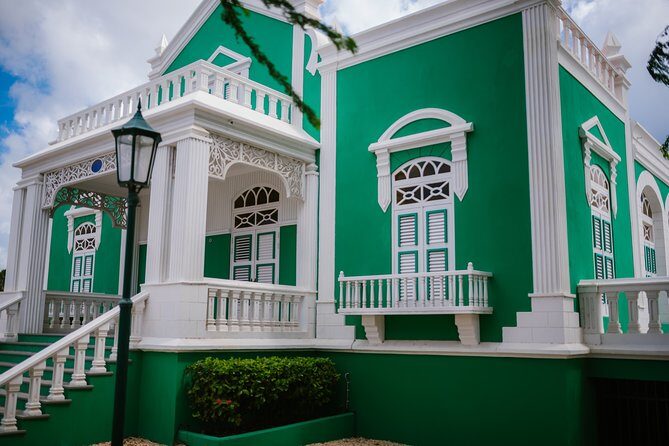
You’ll hear a romantic story about the construction of an iconic family mansion built in the early 1900s—one of those legends that helps you understand why certain areas look the way they do.
Then you’ll walk through main streets, including stores that have been there since 1928. Another smart detail: you’ll learn about how the streetcar or tram passes through the street. Even if you don’t ride it, knowing where it fits in the city’s flow helps you spot it later.
If you love old-town wandering, this part of the route can feel like discovering the city’s backbone. If you prefer only major attractions, the “street learning” can feel like too much on foot—especially if your guide spends extra time on the less central sections.
Government buildings, Parliament, and a church stop that gets specific
One of the first civic stops involves a building that began as a government site used for multiple purposes. Today it houses arts and crafts by accredited locals. This is a nice way to connect history to living culture, not just to buildings frozen in time.
Then you’ll reach Aruba Parliament, where your guide explains the political system and where politicians debate laws and current affairs. Some guides go light on politics; others get more opinionated. Reviews include a caution that the tour can drift political at times, and that can make the experience feel less comfortable for some groups.
Next is the Protestant Church, described as one of Aruba’s oldest churches built in the 1800s. You’ll learn how Protestant arrived on the island and also that it isn’t the largest religion there. This is a key reminder that Aruba’s story isn’t just one culture layered on top of another—it’s different beliefs interacting over time.
Havenstraat breakfast-and-parties tasting and a look at local streets
Havenstraat is where the tour turns toward everyday life. The stop is framed around what Arubans eat for breakfast and at parties, and you’ll taste something connected to that. It’s a clever second tasting location because it ties food to social rhythm: what people eat when the day begins and when friends gather.
After that, you’ll walk Wilhelminastraat, a more residential street where the guide points out iconic houses. This is one of those sections that might not sound exciting on paper, but it helps you see the town beyond the main tourist corridors. You start noticing scale, layout, and how ordinary streets hold stories too.
How the guide shapes your day (and why that matters)
This tour’s biggest strength is the guide. Multiple reviews praise guides like Wendel, Milton, Evy, Mariza, and Hazel Milton for energy and for weaving personal and island details into the story.
That said, guide style can change your experience in very specific ways:
- Some guides keep the pace and stop length tightly controlled.
- Others may lean more into political context.
- A few reviews mention the tour running longer than expected or covering a smaller physical area than people hoped.
One more interesting detail from the reviews: one group reported meeting the Prime Minister of Aruba and an archaeologist who chatted briefly. That’s not something you can count on, but it does suggest the guide network can sometimes connect you with real local faces.
My practical advice: if you want a history-and-culture walk, this is a good bet. If you strongly prefer a quiet, non-political style, ask your guide early to keep the focus on architecture, museums, and daily life.
Pace, stop length, and what to do if you want more time
The tour is around 2 hours 30 minutes and includes many short stops. Expect a steady walking rhythm with brief interpretive moments—especially early in the route.
The biggest “time satisfaction” issue people raise is not the walking, but the stop length inside museums/church. If you care about reading more than listening, treat this as a first look. Plan a second visit later if Fort Zoutman and the National Archaeological Museum have exhibits you want to study longer.
Also, the tour runs in all weather conditions. That’s great for flexibility, but it means you should dress for comfort, not for photos.
Who should book this Oranjestad walking tour?
This tour fits you best if:
- You’re in Oranjestad for a short time and want quick orientation.
- You like history explained in plain language and tied to places you can see.
- You want food tastings that connect to culture, not just quick samples.
- You enjoy walking a compact area at a calm, controlled pace.
You might skip it if:
- You want a long, slow museum experience.
- You hate political discussion and prefer strictly cultural storytelling.
- You’re very sensitive to heat and don’t want to start early.
Should you book? My practical take
I’d book it if your goal is to understand Oranjestad fast, see the most meaningful downtown landmarks, and eat two local bites along the way. The combination of Fort Zoutman, the archaeological museum, and the tasting stops gives you more than a typical “look and walk” tour.
If you do book, go in with the right mindset: this is not a full-day deep museum schedule. It’s a guided route that gives you a foundation—and then you can return on your own if a specific stop hooks you.
FAQ
What does the Aruba Downtown Historic and Cultural Walking Tour include?
It includes guided visits to Fort Zoutman Historical Museum and the National Archaeological Museum when open, plus tastings (including pan bati) and a walking route through central Oranjestad with stops for monuments, churches, and local street highlights.
Are entrance fees included for the museums?
Yes. Entrance fees are included at both museum stops when they are open.
How long is the tour and what time does it start?
It’s approximately 2 hours 30 minutes and starts at 9:00 am.
Where do I meet for the tour?
The meeting point is Cosecha Aruban Craft Design & Heritage, Zoutmanstraat 1, Oranjestad, Aruba. The tour ends back at the meeting point.
What’s the price per person?
The tour costs $45.00 per person and the ticket is delivered as a mobile ticket.
What if I need to cancel?
Free cancellation is available up to 24 hours in advance of the experience start time for a full refund. If you cancel less than 24 hours before, the amount paid is not refunded.