REVIEW · ARUBA
Aruba Create Your Own Island Tour
Book on Viator →Operated by Chogogo Tours · Bookable on Viator
Four hours can feel like a whole trip.
This private Aruba tour is built for choice: you help shape the stops, then your guide moves you around the island in a comfortable vehicle. I love the custom itinerary (you’re not stuck with a rigid script), and I also like that the route is heavy on Aruba’s top sights while still leaving room for beach time at places like Baby Beach. One thing to watch: with only about 4 hours, you’ll need to prioritize, because too many must-dos can squeeze out the time you’d hoped to actually enjoy.
From the start, you’re not just being driven—you’re being guided. You’ll get a scenic run past Eagle Beach, Palm Beach, Malmok, and Arashi Beach toward the California Lighthouse, then you can layer in cultural and natural highlights like the Aruba Aloe Factory & Museum, the historic Pilgrims Church, rock formations, and snorkeling options. I also like the practical setup for real life, including pickup offered and vehicles that can include wheelchair-accessible options when needed. The best part is that your day stays flexible even when the island heat, timing, or a quick detour changes the plan.
In This Review
- Key points at a glance
- How the 4-hour Create Your Own itinerary actually works
- The north shore run to California Lighthouse: an Aruba first impression
- Aruba Aloe Factory & Museum and the Pilgrims Church: culture with personality
- Casibari rock formations and Ayo: climb-worthy views and Flintstones vibes
- Gold-mine ruins, the natural bridge, and the 700-steps panorama
- San Nicolas and Oranjestad: culture, Dutch touches, and local rhythm
- Mangel Halto snorkeling and Baby Beach: where your water time belongs
- Price and private-group value: who this is best for
- Practical tips so your day doesn’t run off the rails
- Should you book this Aruba Create Your Own Island Tour?
- FAQ
- How long is the Aruba Create Your Own Island Tour?
- How many people can be in a group?
- Is pickup available?
- Does it use a mobile ticket?
- Do you have wheelchair-accessible vehicles?
- What happens if weather is poor?
Key points at a glance
- Pick your priorities: choose the highlights you want to focus on during the 4-hour ride
- North shore intro route: see Eagle Beach, Palm Beach, Malmok, and Arashi Beach on the way to California Lighthouse
- Great mix of stops: culture (Aloe museum, Pilgrims Church) plus active viewpoints (Casibari, Ayo)
- Beach and snorkeling options: Mangel Halto and Baby Beach are built for water time
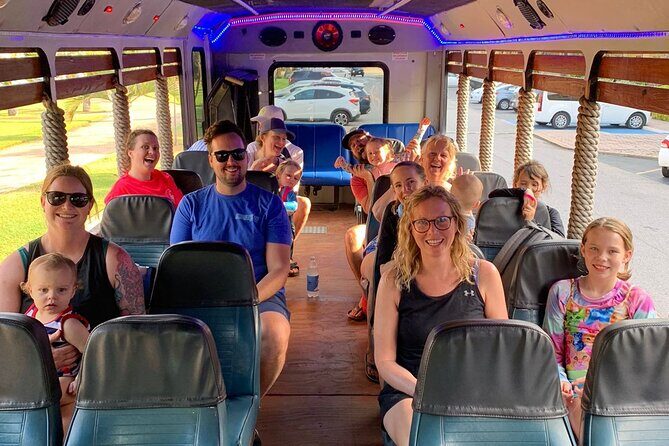
- Private group comfort: only your party rides along in your own vehicle
- Wheelchair-friendly options exist: Chogogo Tours lists wheelchair-accessible vehicles and has handled electric wheelchairs in past tours
How the 4-hour Create Your Own itinerary actually works
The whole point of this experience is that it’s private and customizable. Instead of a fixed route, you tell your guide what you care about most—beaches, views, history, snorkeling, shopping, quick photo stops, or a slow pace.
In a 4-hour window, the best strategy is to think in blocks. For example: one block for the north shore and lighthouse area, one for viewpoints or cultural stops (usually with walking), and one block reserved for beach time or snorkeling. If you try to fit in every single item you can name, you’ll spend more time between stops than you will actually on them.
Also, give your guide clear priorities. Several guides are praised for helping the day feel smooth, but the tour still runs on time. If you want a specific stop (like an attraction with set hours), it helps to mention it early so the schedule can bend around you, not the other way around.
Other island sightseeing tours in Aruba

The north shore run to California Lighthouse: an Aruba first impression
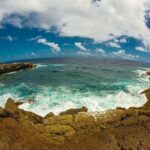
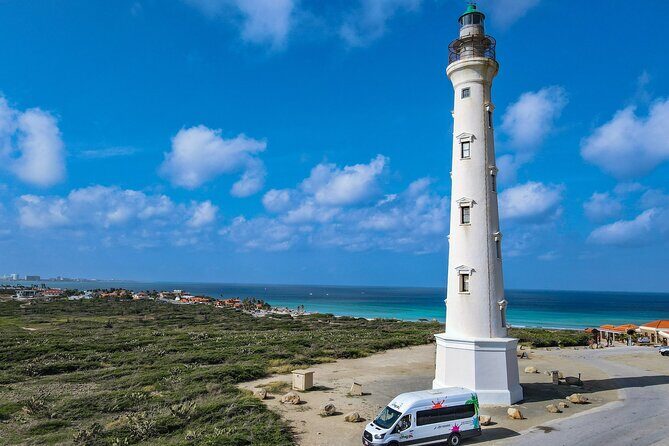
This tour often begins with a scenic drive past some of Aruba’s best-known beach areas: Eagle Beach, Palm Beach, Malmok, and Arashi Beach. Even if you already know the names, seeing them from the road helps you understand how the coastline is shaped, how busy it gets (or doesn’t), and where you’ll probably want to spend your feet later.
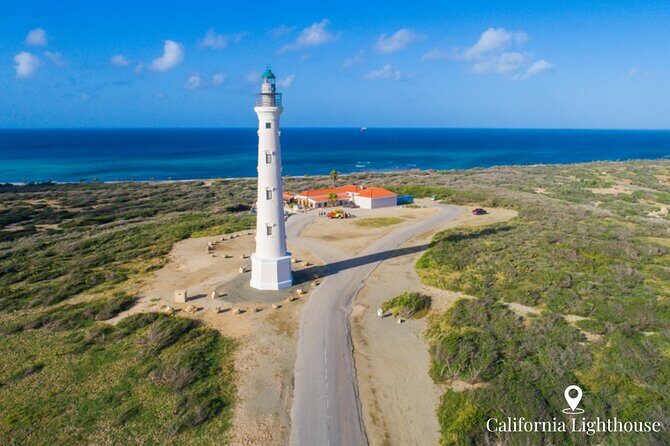
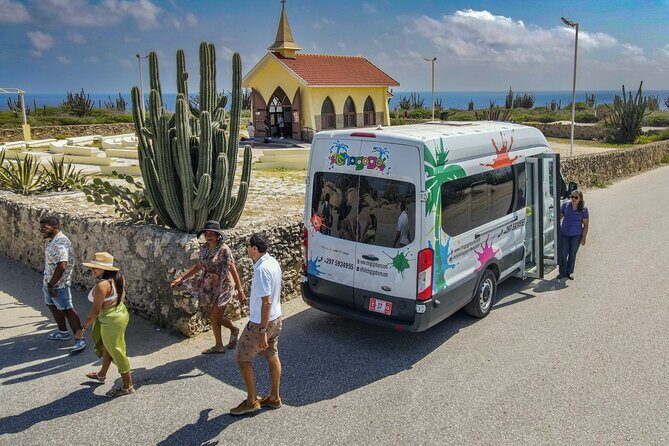
Then you roll toward the California Lighthouse area. This is a classic Aruba viewpoint-and-photo moment, and it works well early in your day because you’re still fresh and the light can be forgiving for photos. The vibe is also simple: get the dramatic “I’m really here” moment, then move on while the group energy stays high.
A small practical note: if you’re someone who wants lots of time walking around the lighthouse area, you’ll probably need to trade off another stop. The tour is designed to keep things moving without rushing you at each location.
Aruba Aloe Factory & Museum and the Pilgrims Church: culture with personality
Two stops in particular add texture beyond beach-and-view sightseeing.
At the Aruba Aloe Factory & Museum, you’re stepping into the island’s long aloe story. The museum portion covers Aruba’s 160-year history of aloe cultivation, and you also get insight into the aloe production process. If you like learning how a place uses what it grows, this stop adds context to what you see around you.
Next comes the Pilgrims Church—also called the Pilgrims Church by many people on Aruba tours. It’s a small Catholic chapel built in the 17th century, and your guide will share the history behind it. This is the kind of stop that pays off even if you’re not a huge church person, because the guide’s story tends to connect it to what life was like back then.
The main drawback here is less about the content and more about pacing. If your group is itching for water time, these indoor or shaded stops can feel like a pause. But if you want your Aruba day to feel balanced—something more than sun and sand—these two stops help a lot.
Casibari rock formations and Ayo: climb-worthy views and Flintstones vibes
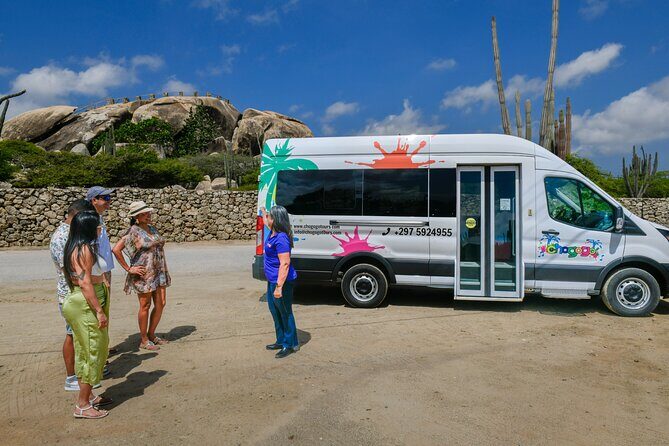
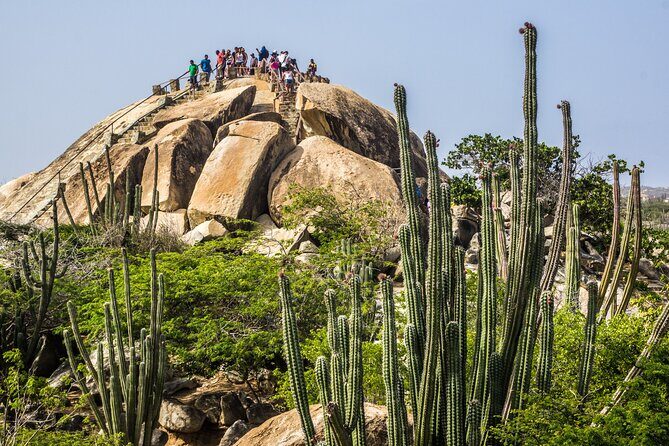
Casibari is where the day gets more physical. You’ll climb the Casibari rock formations for a big island view—described as roughly a 40% view. The payoff is real: rock formations give you that Aruba “wow” angle because you’re suddenly seeing the island from a different height and angle than the beaches.
Just be honest with yourself about comfort level. The tour includes climbing and walking. If anyone in your group has mobility limits, talk to your guide early so they can plan the route and timing around what’s feasible.
Then you can head to Ayo rock formations, often called Bedrock City because of the Flintstones connection. This is one of those stops where the scenery is fun and the story adds a pop of pop-culture context. Even if you’ve seen photos before, seeing the rock shapes in person is still the main event.
Time tip: rock stops can steal minutes. Build in a little buffer so you don’t feel like you’re speed-running the scenic parts.
Gold-mine ruins, the natural bridge, and the 700-steps panorama
Aruba has a side that’s less about postcard beaches and more about human history—industry, geology, and the long timeline of the island.
One stop option is the former gold mill area in northern Aruba, a reminder of a lesser-known Aruba gold rush. Gold was first discovered in 1824 and stayed a major industry until around 1916. If you like stories that go beyond what’s marketed, this adds a different flavor to the island day.
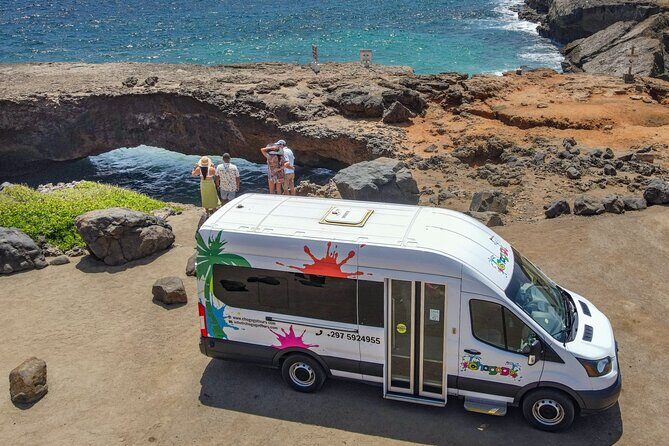
Another natural highlight is the natural bridge made of coral limestone. It’s described as over 30 meters long and about 7 meters above sea level. It’s the kind of attraction that’s impressive because it’s oddly “designed” by nature, even though it was shaped by time and water forces instead.
After that, you may visit the main panoramic site by climbing around 700 steps. From there, you can observe the island from above. This is not a casual stroll, so it’s worth planning around your group’s energy level. If you’re traveling with kids or anyone who’s not into stair climbs, ask your guide what’s realistic and how to keep it enjoyable.
The tour also mentions breathtaking views from the top of ancient ruins at a historic location. If you’re the type who likes photo viewpoints, this part can be a highlight—just remember it’s another “walk to a view” moment, so comfortable shoes matter.




San Nicolas and Oranjestad: culture, Dutch touches, and local rhythm
Not every Aruba day needs to be sand-only. This tour can work in cultural stops that show how people actually live.
San Nicolas is Aruba’s second-largest city, and it comes with heritage sites and a feel that’s different from the resort strip. In past custom days, guides have helped visitors notice mural art in San Nicolas, which is a great way to slow down and actually look at the town rather than just driving through it.
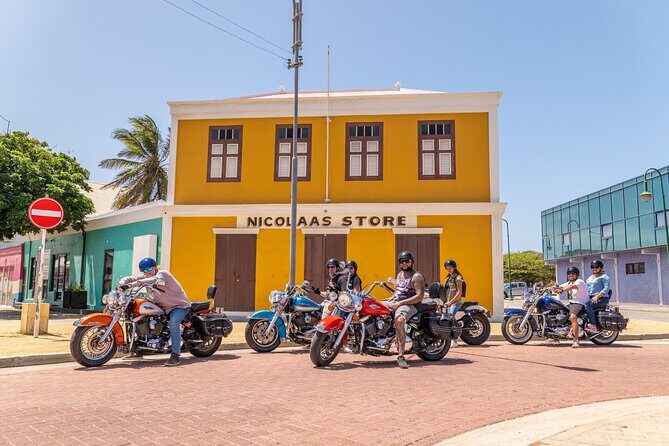
Then there’s Oranjestad, the capital. The tour frames Oranjestad as full of little shops and vendors, plus architecture with Dutch history. This is a good match for groups that want to mix sightseeing with a little wandering time, especially near the end of the tour when you’re ready for snacks, souvenirs, or a final look around.
Practical angle: if you want meaningful time for shops, you may need to cut down on the number of active stops. Oranjestad and San Nicolas can be quick photo-and-walk stops, or they can become an unplanned hour if you let them.
Mangel Halto snorkeling and Baby Beach: where your water time belongs
If you only remember one thing about this tour, make it the water options.
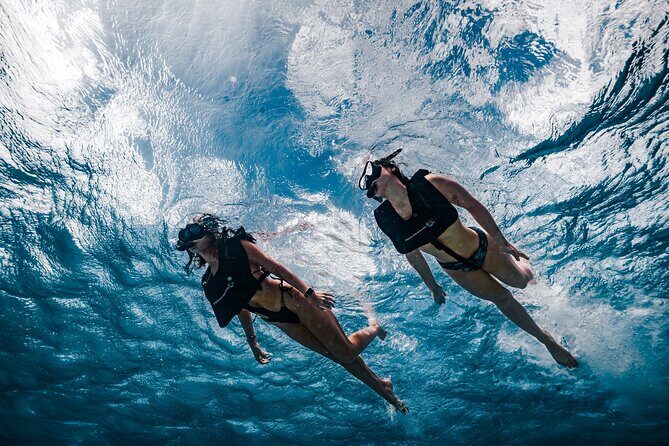
Mangel Halto beach is described as a hidden snorkeling site in the Spanish Lagoon. This is the kind of place people often seek out when they want something quieter than the busiest beach areas and prefer snorkeling over lounging.
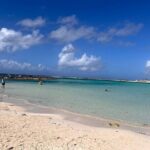
Baby Beach is famous for its half-moon sandy shore and peaceful lagoon water. The water is shallow enough that swimmers can wade out a long distance and still touch the sea floor, which makes it a smart pick for families with children. It’s also a good pick if you want the “easy beach” version of Aruba without committing to a complicated swim plan.
In other words: if you want maximum ease, Baby Beach fits. If you want more snorkeling-focused time, Mangel Halto can be the call.
One more timing detail worth noting: some guides have adjusted schedules on the fly to fit specific interests. For example, one past group’s guide was able to include a Butterfly Farm alongside Baby Beach. Since this is a build-your-own day, it’s worth asking what additional stops can realistically fit without sacrificing your beach time.
Price and private-group value: who this is best for
The price is $420 per group (up to 4) for about 4 hours. That can sound steep if you’re comparing it to a public bus, but it’s easier to judge if you compare it to the value of control.
When you go private with a custom plan, you’re paying for:
- fewer compromises (you can skip what you don’t care about)
- a tighter ride plan that matches your interests
- the ability to slow down or speed up at each stop
- the comfort of traveling only with your group, not strangers
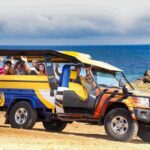
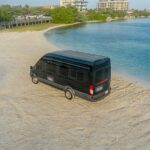
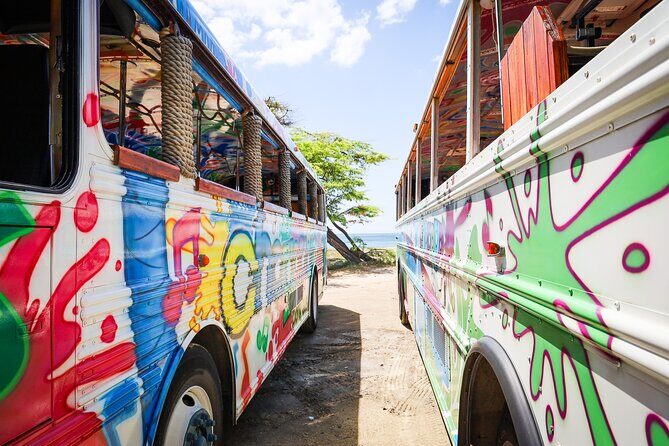
This can be especially worthwhile if you’re traveling with a mixed group—kids, older adults, or someone who needs a more flexible pace. The operator also states they use vehicles for all purposes, including wheelchair-accessible vehicles and air-conditioned vans.
If you’re thinking about logistics like accessibility, this tour type matters because it’s not one-size-fits-all. In one case, a group used an electric wheelchair with help during transfers and throughout the outing, showing that the team can handle real needs rather than just following a basic script.
Practical tips so your day doesn’t run off the rails
First, build your plan around how long you’ll actually want to be moving. The tour includes rock formations, stair climbs (including a route around 700 steps), and viewpoints. If your group is active, great. If not, focus on the stops that are mostly drive-to-and-look.
Second, be specific about your “must haves.” If aloe museum time matters to you, plan to request it earlier in the tour window. One group noted the aloe stop was closing when they arrived, so they suggested doing it earlier if you want the museum or the full tour experience there.
Third, pack for heat. Aruba can feel relentless, especially mid-day. Bring sun protection, water, and something light to wear. If your guide offers a comfort break, take it. The tour is designed to keep you comfortable, but your best comfort still starts with you showing up ready for sun and warmth.
Fourth, if you’re sensitive to air conditioning, ask about comfort on the vehicle when you meet your guide. There has been at least one comment about weak cooling during a past tour. Most mentions are positive about comfort, but it’s smart to treat this as a check, not an assumption.
Finally, remember cruise-day timing can be tricky. If you’re coming from a cruise ship, use local timing and build a little buffer for loading/unloading. One group ran into ship-time versus island-time confusion, and the difference turned out to matter more than anyone expected.
Should you book this Aruba Create Your Own Island Tour?
Book it if you want to see a lot of Aruba without feeling trapped by a crowd or stuck on a rigid itinerary. This is a strong choice for first-timers with limited time, families who need flexibility, and anyone who likes mixing beaches with viewpoints and a couple of culture stops.
I’d skip it—or at least plan more carefully—if your group prefers a fully structured schedule with long stops at a few places. With only about 4 hours, the “custom” part works best when you choose 3 categories (view, culture, beach/snorkel) instead of chasing every single highlight.
If you want a private day that feels personal, this one fits. And if you end up with a guide like Merylynne, Diego, Jacky, John, Dave, Frankie, Michael, or Raybert (names that show up across excellent guide experiences), you’re very likely to get a calm, friendly day with smart stop decisions and enough storytelling to make the sights land.
FAQ
How long is the Aruba Create Your Own Island Tour?
It runs for about 4 hours.
How many people can be in a group?
The tour price is per group for up to 4 people, and it is private for your group only.
Is pickup available?
Yes, pickup is offered.
Does it use a mobile ticket?
Yes, a mobile ticket is used.
Do you have wheelchair-accessible vehicles?
Chogogo Tours lists wheelchair-accessible vehicles, and service animals are allowed.
What happens if weather is poor?
This experience requires good weather. If it’s canceled due to poor weather, you’ll be offered a different date or a full refund.