REVIEW · ARUBA
Harley-Davidson Guided Island Tours
Book on Viator →Operated by Aruba Motorcycle Tours · Bookable on Viator
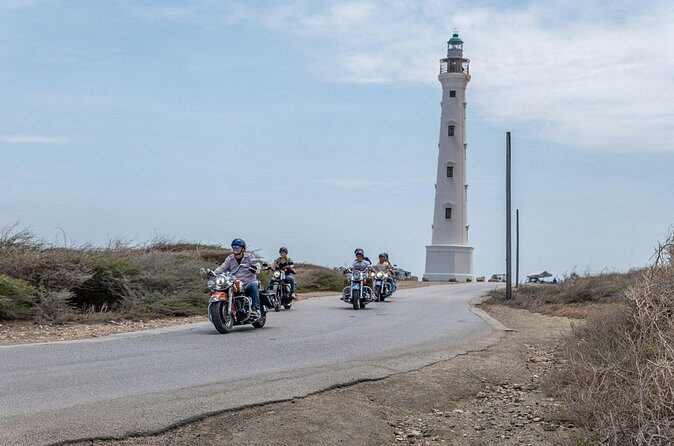
Aruba from the saddle feels different. This guided Harley ride strings together big island sights with the wind in your face, from the California Lighthouse area to Baby Beach—so you see more than a typical bus day.
I love the pickup and drop-off convenience, and I also like that you get DOT-approved helmets plus the motorcycle rental as part of the tour. You’ll also get a tight, scenic 4-hour route with multiple stops for photos and viewpoints.
One thing to consider: the day is built around riding between highlights, so you may get more of a guided stop-and-go experience than nonstop narration while you’re cruising.
In This Review
- Key things to know before you ride
- 4 hours on two wheels: what this Aruba Harley tour is really like
- Price and value: $212 per group (up to 2) for a full island circuit
- Riding logistics on Aruba roads: lead rider flow, safety, and the “rotary” advantage
- Stop 1: California Lighthouse area and Aruba’s north-coast views
- Stop 2: Ayo Rock Formations—climb for views, not just a look-and-go
- Stop 3: Alto Vista Chapel—the oldest chapel stop with rough-coast scenery
- Stop 4: Seroe Colorado—southern views and a weather-dependent chance to see Venezuela
- Stop 5: Baby Beach—quick beach time with color that’s the whole point
- Stop 6: Zeerover—local fisherman’s wharf and a laid-back watering hole
- Stop 7: Mangel Halto Beach—mangroves on one side, cliffs on the other
- What’s included (and what you’ll need to plan yourself)
- Who should book this Harley tour in Aruba (and who might not love it)
- Should you book? My straight advice
- FAQ
- How long is the Harley-Davidson Guided Island Tour in Aruba?
- What does the tour cost?
- Where does the tour take place?
- Is pickup and drop-off included?
- Are helmets and motorcycle rental included?
- How many people can be in a group?
- What stops are included on the route?
- Is there a physical fitness requirement?
- What is not included in the tour price?
- What happens if weather is poor?
Key things to know before you ride
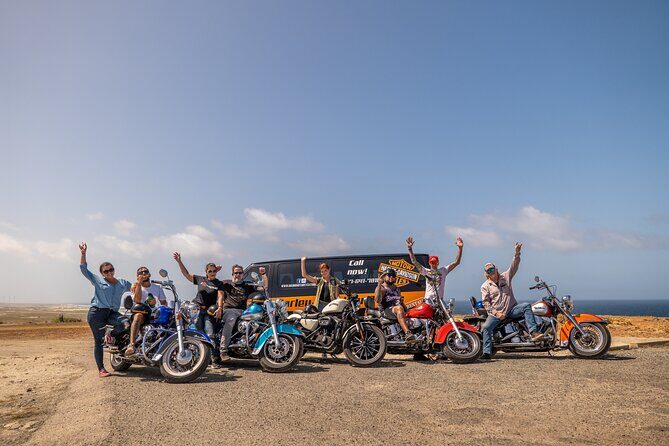
- Small max group size (up to 8) means you’re not stuck in a giant, slow-moving line.
- Pickup and drop-off help you skip the logistics hassle and start the ride stress-free.
- DOT-approved helmets and a local guide keep the focus on safety and flow.
- No navigation needed: the guide leads and you follow the route between stops.
- Weather matters since the tour requires good conditions to run.
- You’ll hit both sides of the island, including north-coast viewpoints and southern lookouts.
4 hours on two wheels: what this Aruba Harley tour is really like
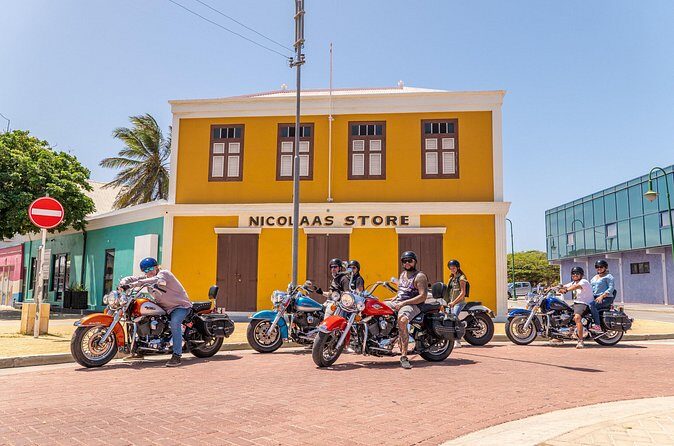
This is a guided island tour in Aruba built around motorcycle time, not bus time. You’re out for about 4 hours, with a local guide, helmet provided, and pickup/drop-off handled for you. The goal is simple: cover a lot of Aruba without the traffic-light stop-start rhythm of big group tours.
The experience is for riders or passengers who are comfortable with movement during short stops. There’s a stated moderate physical fitness requirement, and at least one stop includes a climb for views. Also, the tour operates with a maximum of 8 travelers, so it tends to feel more personal than a crowd shuffle.
You’ll be riding a guided route past major outdoor highlights, but the “feel” of the day comes from the open-air ride itself. Multiple guides are praised for keeping things safe and organized, including alerting riders to speed bumps or potential hazards.
Other guided tours in Aruba
Price and value: $212 per group (up to 2) for a full island circuit
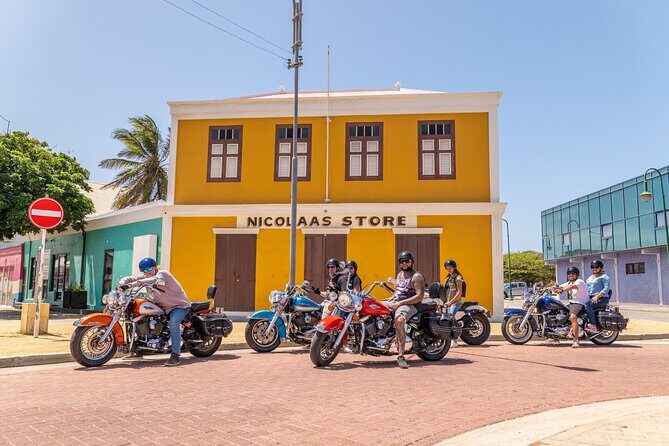
The price is $212.00 per group (up to 2). That structure can be a good deal if you’re traveling as a pair, because the cost covers the guided Harley experience together rather than stacking per rider the way many attractions do.
What you get for that price is more than just a vehicle. You’re paying for motorcycle rental, DOT-approved helmets, a local guide, and pickup and drop-off, plus the stops across the island. The itinerary includes several free admission stops, so you’re not budgeting separately for entrance fees.
The part that can change your total spend is what’s not included: gas, snacks, and bottled water. Plan on topping up those items yourself (or budgeting for them) so the day doesn’t feel like a surprise add-on.
Riding logistics on Aruba roads: lead rider flow, safety, and the “rotary” advantage
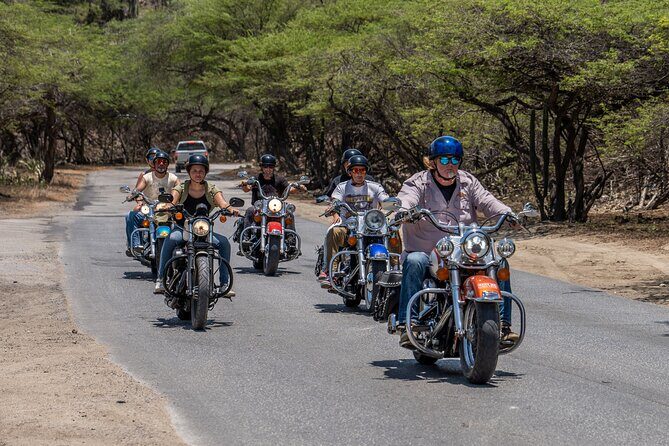
This tour is guided, so your job is basically to enjoy the ride. You’ll follow a route led by the guide, which means you don’t have to handle navigation while you’re watching the scenery. The operator also focuses on safety cues during the drive, including calling out hazards like speed bumps.
One of the most practical details from rider feedback is road flow. Riders have noted that Aruba roads can have very few stop signs and no traffic lights, with many rotaries (roundabouts) that keep traffic moving. That matters because it reduces the stop-and-lurch feel that can turn a long drive into an exhausting one.
You will still feel wind and speed more than you would on a bus. In other words, it’s not a sit-and-forget experience. If you’re coming for the Aruba vibe on wheels, that’s the point.
Stop 1: California Lighthouse area and Aruba’s north-coast views
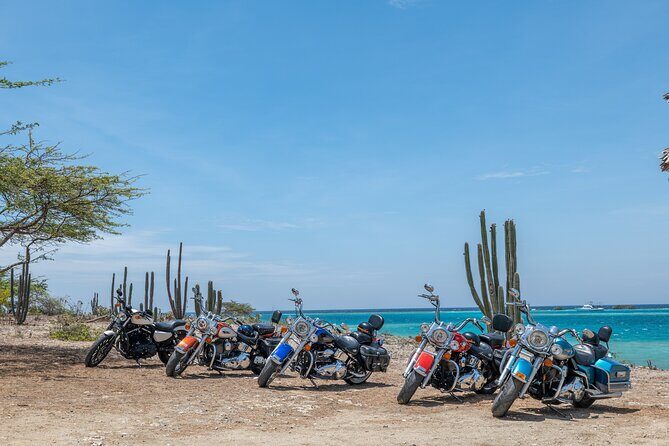
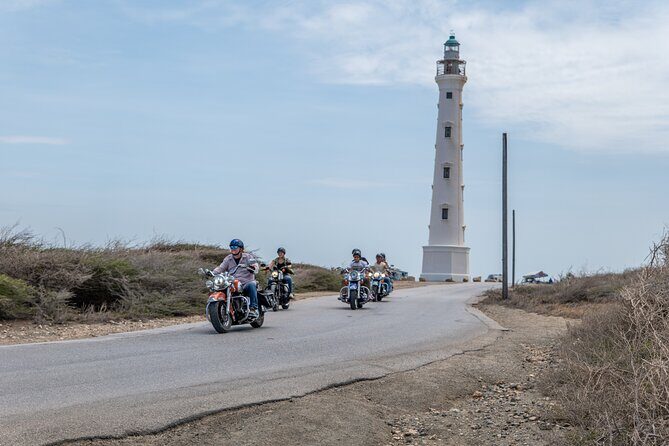
You start with a quick intro stop around the north side of the island, with views of the lighthouse and the Caribbean Sea. The stop is listed at about 10 minutes, and admission is free.
This is a smart first stop because it gives you a “big picture” moment early. You’re not yet deep into the hills or the rocks—you’re setting your bearings and seeing how the island sits against the water. If you’re someone who likes a clean opening scene for photos, this is where you get it.
The trade-off is time. Since it’s a short stop, you’ll want to move quickly to grab your photos and get back to the bike before the day’s rhythm continues.
Stop 2: Ayo Rock Formations—climb for views, not just a look-and-go
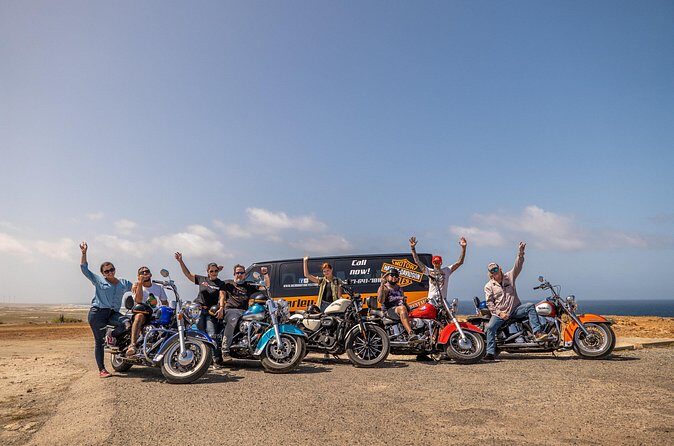
Next up is the Ayo Rock Formations area. You get about 20 minutes, and it’s also free. This is one of the stops where the “moderate fitness” note actually makes sense, because the plan includes climbing up to see the surroundings.
What makes this stop worth it is perspective. A rock-formation viewpoint is different from a beach or chapel: it shows Aruba’s surface shape and gives you a more dramatic sense of place. You’ll likely spend more time looking up and around while you decide where to climb and how to frame the shots.
The drawback is that it’s physical. If your comfort level is limited, treat the climb as optional and focus on what you can see from closer-to-the-ground spots.



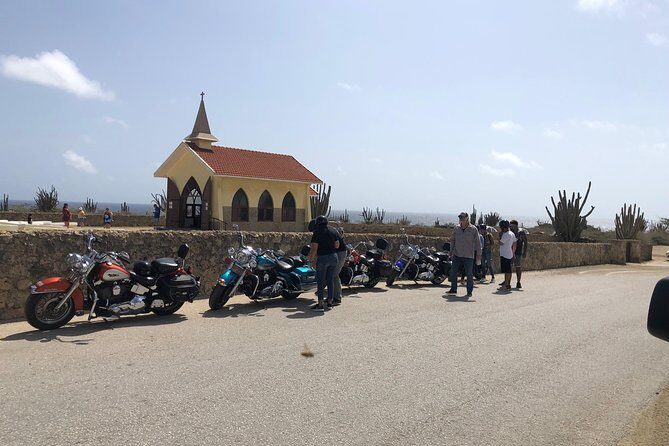
Stop 3: Alto Vista Chapel—the oldest chapel stop with rough-coast scenery
Then you head to Alto Vista Chapel, described as the oldest chapel on the island. You’ll have about 10 minutes, and the admission is free.
This stop works well because it mixes a simple cultural marker with a viewpoint. You’re not just looking at a building; you’re getting views over Aruba’s north side and its rugged surroundings. It’s also a quick reset from the open terrain you’ve been riding through.
Because the time is short, you’ll want to focus on the chapel itself and one or two photo angles rather than trying to take in everything at once.
Stop 4: Seroe Colorado—southern views and a weather-dependent chance to see Venezuela
Seroe Colorado is a key lookout stop on the southern side, with about 10 minutes planned. Admission is free, and the big claim here is weather-dependent visibility: when conditions are good, you can see Venezuela from this point.
The other value is what you can spot in the wider region, including Boca Grandi and the former LAGO colony. This stop is basically Aruba’s “far distance” moment—seeing bigger stretches of the island’s southern geography from up high.
The main consideration is that the visibility promise depends on weather. If it’s hazy, you may still get great views, but don’t count on the Venezuela sight line as guaranteed.
Stop 5: Baby Beach—quick beach time with color that’s the whole point
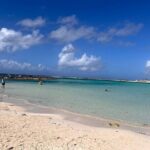
After the viewpoints, the tour shifts toward a famous water-and-sand stop: Baby Beach. You’ll get about 15 minutes, and admission is free.
Baby Beach is known for its sea-and-sand color contrast, and this stop is basically built for that effect. You’ll have time to look, take photos, and enjoy the feeling of being near the water right after the rock-and-chapel stops.
The trade-off is that 15 minutes is still short. If you want long swimming time or a full beach break, this tour is better as a highlight stop than as your main beach day.
Stop 6: Zeerover—local fisherman’s wharf and a laid-back watering hole
Next is Zeerover, described as a local fisherman’s wharf and also a watering hole. You’ll spend about 15 minutes, and admission is free.
This is a nice contrast stop. Instead of looking at Aruba from a height or from a chapel porch, you’re getting closer to island life and the waterfront vibe. It also gives you a natural moment to slow down and simply take in the scene for a bit.
Because snacks and bottled water are not included, this is the kind of place where you might want to buy a quick drink or small bite if you need one to keep going through the afternoon.
Stop 7: Mangel Halto Beach—mangroves on one side, cliffs on the other
The day finishes with Mangel Halto Beach, about 10 minutes with free admission. The area is described as having mangroves on one side and cliffs on the other, which is exactly why this stop works.
It’s visually different from the earlier beach stop. Baby Beach is about sea and sand color; Mangel Halto leans more scenic and rugged, showing Aruba’s natural edges and coastal variety.
Since it’s a short stop, focus on grabbing the “mangroves vs cliffs” angle, then enjoy the last stretch of riding before you wrap back up with drop-off.
What’s included (and what you’ll need to plan yourself)
Included in the tour:
- Motorcycle rental
- DOT-approved helmets
- Local guide
- Pick-up and drop-off
- Mobile ticket
Not included:
- Snacks
- Gas
- Bottled water
That “not included” list matters because it affects your comfort. You’ll be out for several hours with multiple stops, so bring or budget for food and hydration, especially since bottled water isn’t part of the package.
Also, the tour works best when conditions are right. The experience requires good weather, and if it can’t run due to weather, you should expect a different date or a full refund.
Who should book this Harley tour in Aruba (and who might not love it)
I think this tour is a great fit if you want Aruba in motion: hills, curves, coastal views, and quick stops that keep the day moving. It’s also a strong choice if you like the idea of seeing both northern and southern areas without taking multiple separate rides.
You’ll especially enjoy it if safety guidance and smooth pacing matter to you. Guides like AJ, Herbie, and Gus are repeatedly connected with safe, organized riding and hazard awareness.
On the flip side, it may feel less satisfying if you’re expecting a long, detailed “talking tour” the whole way. Some ride experiences can feel more like riding between stops than hearing constant narration. If that matters, I’d treat the guide’s stop time as your chance to ask questions and get the real background.
Should you book? My straight advice
Book this tour if your priority is covering Aruba’s highlights fast, getting big viewpoint moments, and doing it on something more fun than a bus. The structure of free stops, pickup/drop-off, and included helmets makes it feel like a ready-to-go experience rather than a DIY scramble.
Skip it or adjust your expectations if you mainly want a slow beach day or if you know you’ll struggle with the moderate activity level—especially the part that involves climbing at Ayo Rock Formations. With good weather, though, this is one of the most “Aruba” ways to see the island: salt-air views, rock and chapel stops, and a guided ride that keeps you from dealing with roads on your own.
FAQ
How long is the Harley-Davidson Guided Island Tour in Aruba?
It runs for about 4 hours.
What does the tour cost?
The price is $212.00 per group (up to 2).
Where does the tour take place?
The tour takes place in Aruba.
Is pickup and drop-off included?
Yes. Pick-up and drop-off are included.
Are helmets and motorcycle rental included?
Yes. Motorcycle rental and DOT-approved helmets are included.
How many people can be in a group?
There is a maximum of 8 travelers.
What stops are included on the route?
The tour includes stops at the lighthouse area on the north side, Ayo Rock Formations, Alto Vista Chapel, Seroe Colorado, Baby Beach, Zeerover, and Mangel Halto Beach.
Is there a physical fitness requirement?
Yes. Travelers should have a moderate physical fitness level.
What is not included in the tour price?
Snacks, gas, and bottled water are not included.
What happens if weather is poor?
This experience requires good weather. If it’s canceled due to poor weather, you’ll be offered a different date or a full refund.