REVIEW · ARUBA
Epic Off-Road Surron Electric Bike Tour in Aruba
Book on Viator →Operated by Epic Trail Bikes & Tours · Bookable on Viator
Quiet desert trails, electric fun.
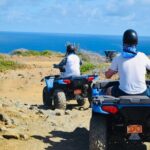
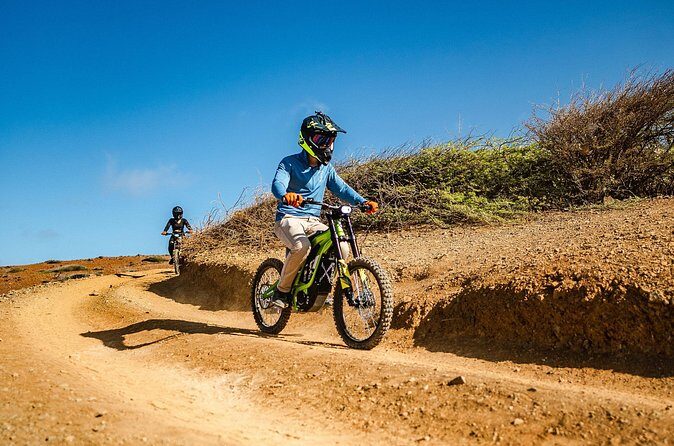
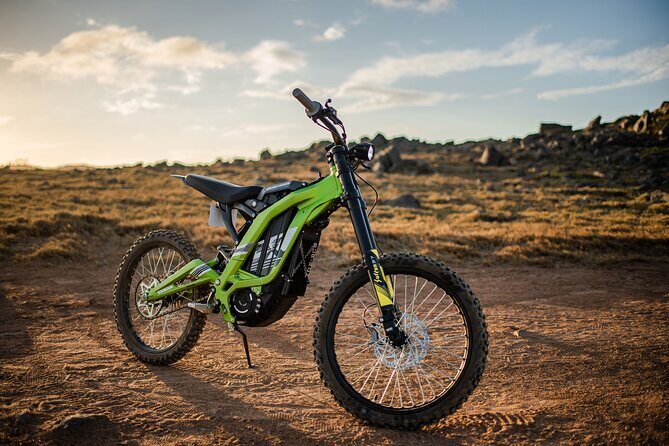
This Epic Off-Road Surron electric bike tour is one of the more active ways to see Aruba’s North Coast, mixing off-road riding with stops at beaches, viewpoints, and historic spots. I especially love the Surron e-bikes for their mix of power and control on rough trails, and I also love the small group feel that keeps things personal and paced.
I do want you to think about one potential drawback: you’ll need a driver license and you should be ready for moderate physical effort and rocky terrain. If you’re hoping for an easy, mostly paved sightseeing loop, this one is more adventure than tour bus.
In This Review
- Key Things I’d Pay Attention To
- Getting Started at Epic Trail Bikes & Tours in Ayo
- Santa Cruz Check-In, Safety Gear, and Practice on the Bike
- Ayo Rock Formations: Aruba’s Big Rocks Up Close
- Tripod Bridge and the Walk to Blackstone Beach
- Andicuri Beach: Secluded Shoreline You Can Only Reach One Way
- Natural Bridge Aruba and the Baby Natural Bridge Reality
- Bushiribana Gold Mill Ruins: From Trail to Time Travel
- Wariruri Bay and Alto Vista Chapel on the Peaceful North Coast
- California Lighthouse Finish: The End Point You Can Actually Plan Around
- Price and Value: Why $160 Feels Fair Here
- Riding Conditions, Mud, and What to Do Before You Go
- Who This Tour Fits Best (and Who Should Rethink It)
- Should You Book Epic Off-Road Surron Electric Bike Tour in Aruba?
- FAQ
- How long is the Surron electric bike tour?
- What is the price per person?
- Do I need a driver license to ride?
- Is pickup and drop-off included?
- Where does the tour start and where does it end?
- What should I wear?
- Is there a helmet provided?
- How many people are on the tour?
- Is the tour dependent on weather?
Key Things I’d Pay Attention To
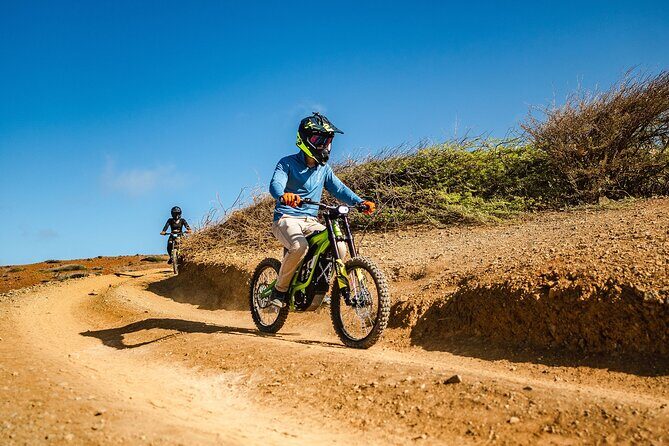
- Surron off-road bikes with time to get comfortable before the fun starts
- Max 5 riders, which matters for safety and for how much attention you get
- North Coast access on trails that typical vehicles can’t reach
- Secluded beach time that feels like Aruba, not a parking lot
- Safety coaching first, led by guide Jonathan, with a patient pace for less-experienced riders
Getting Started at Epic Trail Bikes & Tours in Ayo
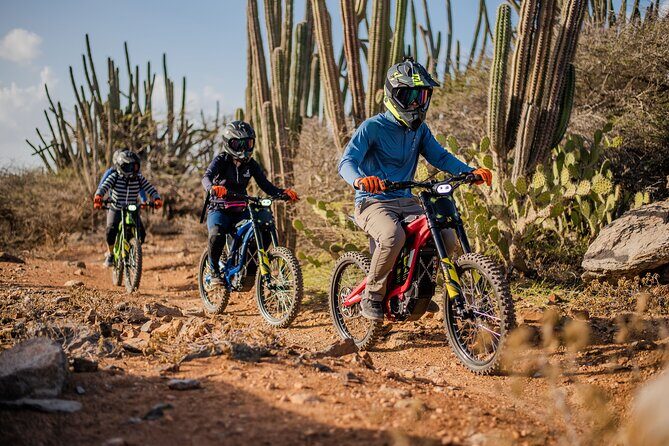
The tour begins at Epic Trail Bikes & Tours in Ayo, which is a nice setup because it keeps the whole experience focused on riding. You’re not spending the morning figuring out logistics. You show up, get checked in, and the team guides you into the right mindset fast.
They also build in the kind of structure that makes first-timers feel calmer. You’ll meet your guide, handle the necessary paperwork, and then move into gear and bike operation. The tour is built for short, satisfying sessions rather than a long, exhausting day.
There’s pickup offered, and you’ll also get drop-off at the end. For me, that matters here because Aruba’s north side isn’t something you want to cross with a rental car while you’re also trying to concentrate on trails and turns. Even better, the tour ends at the California Lighthouse area, and if you came with your own car they’ll transport you back to where you started.
One more practical note: the tour runs about 3 to 4 hours, so bring your expectations in line with a half-day adventure. You’ll be moving, stopping, and riding—not waiting around for hours.
Other UTV & ATV tours we've reviewed in Aruba

Santa Cruz Check-In, Safety Gear, and Practice on the Bike
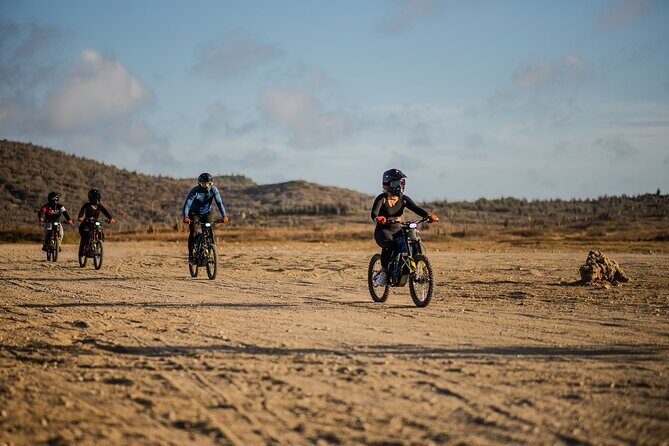
Before you hit the trails, the first real “wow” is how much time goes into getting you safe and comfortable. At Santa Cruz, you’ll check in, meet the guide, and go through the documents and safety steps. You’ll also wear required safety equipment and get a briefing on how the bike works.
Then comes a practice session. That’s not filler. It’s the difference between feeling tense at your first rough section and feeling in control as you go. Several riders call out how the guide takes time, and that tracks with what you want for a first off-road e-bike experience.
Here’s what you should plan for in real life: this isn’t a “casual walk-and-point” tour. You’ll be riding textured, uneven ground and switching between gravel and rocky trail sections. If you can handle a bit of a workout and stay attentive, you’ll enjoy it a lot more.
Also, read the clothing rules before you show up. You’ll be required to wear long sleeve shirts and long pants, and you need closed-toe shoes. That’s not just a formality. It helps with sun, minor brush, and the reality of off-road riding where your legs and hands are close to the ground.
Ayo Rock Formations: Aruba’s Big Rocks Up Close
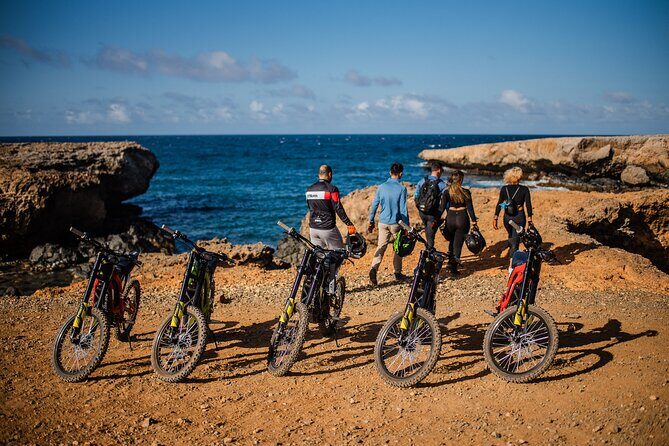
Your ride starts with a short transfer, and then you’re at Ayo Rock Formations. This is one of those places you can spot from a distance because the boulders are huge and oddly shaped. Up close, you start noticing patterns in the rock and the way the terrain shapes the views.
What I like about this stop is that it gives you a quick reset after the bike practice. You get to orient yourself in the area without feeling rushed. Ayo also sets the tone for the day: Aruba isn’t only beaches. It’s also geology, heat, and dry terrain that looks dramatic from almost any angle.
Time here is brief, so treat it like a photo-and-views moment, not a long hike. If you want the full effect, stay present—look around as you ride in and out. The colors and rock shapes change as the light shifts.
A small-group ride helps here. It’s easier to move when you’re not waiting on a big pack, and it’s easier for your guide to keep everyone together without forcing the pace.
Tripod Bridge and the Walk to Blackstone Beach
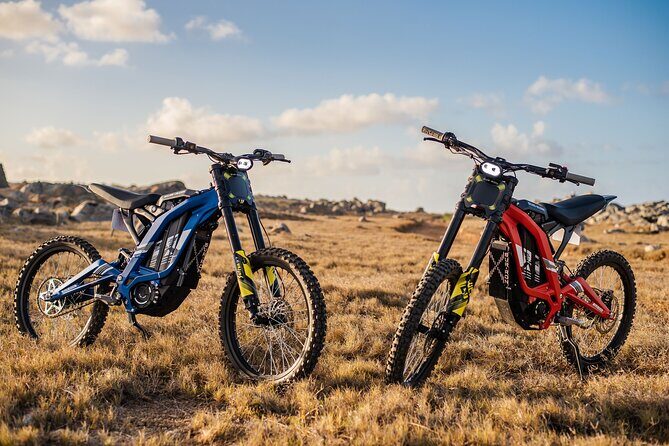
After Ayo, you head along hilly, rugged trails with northern coastline and countryside views. The feeling changes here from “getting started” to “this is the real riding.” The terrain can be uneven, and that’s where having your bike operation down matters.
You’ll stop at Tripod Bridge, a scenic spot that looks like it belongs in Aruba’s more rugged side. The name alone hints at the structure, but the best part is the viewpoint effect—the area around it gives you that open-sky feeling, with sightlines toward the coast.
From there, you walk up to Blackstone Beach. This is where you trade a bit of bike time for a closer look at the beach story. You’ll get a sense of how the beach got its name while you’re on your feet, which makes it more than just a quick stop.
If you’re sensitive to walking on uneven ground, wear shoes with decent grip. Closed-toe matters for this reason, not just safety paperwork.
Even with limited time, this sequence does something valuable: it breaks the day into two modes, ride and walk. That keeps you from feeling like you’re only moving one way all afternoon.
Andicuri Beach: Secluded Shoreline You Can Only Reach One Way
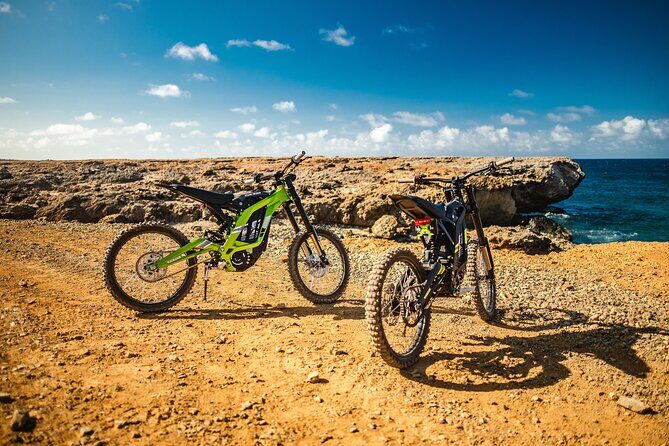
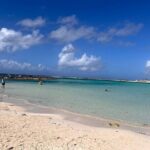
Next up is Andicuri Beach, reached by riding scenic trails along the sheltered coastline. This is the kind of beach that doesn’t feel built for mass tourism. The whole point is that it’s not easily accessible by car, so you get that sense of arriving somewhere quieter.
The riding approach is part of the payoff. You’re not just dropped at a beach and told to explore. You travel there via trail, and that shapes how it feels when you finally stop. The sheltered coastline helps too, because the area feels calmer than some of Aruba’s more exposed shorelines.
Time here is short, so I treat it like a burst: soak in the views, take your photos, and be ready to move when the group is called. If you linger too long, you’ll start to feel rushed at the next stops.
This is also a good moment to enjoy the mix of ocean and desert terrain that Aruba does so well. You’ll see how the land forms natural boundaries for the water, even in a place that can look dry and harsh at first glance.
Other cycling tours in Aruba




Natural Bridge Aruba and the Baby Natural Bridge Reality
You’ll ride rugged terrain and hilly scenic trails to reach Natural Bridge Aruba. The catch is that the famous bridge collapsed in 2005, so what you’ll see now is the “Baby Natural Bridge” standing nearby.
That might sound like a disappointment on paper, but I actually think it’s a smarter way to experience the site. You’re seeing the outcome of the island’s natural changes, and your guide can place the visuals into a story that helps you understand what you’re looking at.
The stop is time-limited, so don’t expect a long detour. Come in ready to look, listen, and get your bearings quickly. A good guide makes this moment click, because you’re not just watching rocks—you’re learning what used to be there and what replaced it.
If you’re the kind of traveler who likes “this is why it looks like this,” this stop fits your style. It’s one of those places where a short explanation makes the photos better.
Bushiribana Gold Mill Ruins: From Trail to Time Travel
Then you roll along a fairly flat trail leading up to the Bushiribana Gold Mill Ruins. This is a different mood from the coastline stops. The terrain is calmer, and suddenly you’re in a historical setting tied to Aruba’s gold rush era.
Your local guide brings the area to life with explanations and context. That matters because ruins can be just rocks to you if nobody connects them to the island story. Here, the guide’s talk helps you understand what the site represented and why it’s worth stopping for.
Time here is around 20 minutes, which is enough to get the story without dragging out the day. You get to walk around and look while your brain is primed to connect details—materials, layout, and the way the site sits in its environment.
I like this stop because it adds a layer of meaning. After riding through desert-like terrain and secluded beaches, you end with a “why Aruba is here” reminder. It’s not just scenic. It’s grounded.
Wariruri Bay and Alto Vista Chapel on the Peaceful North Coast
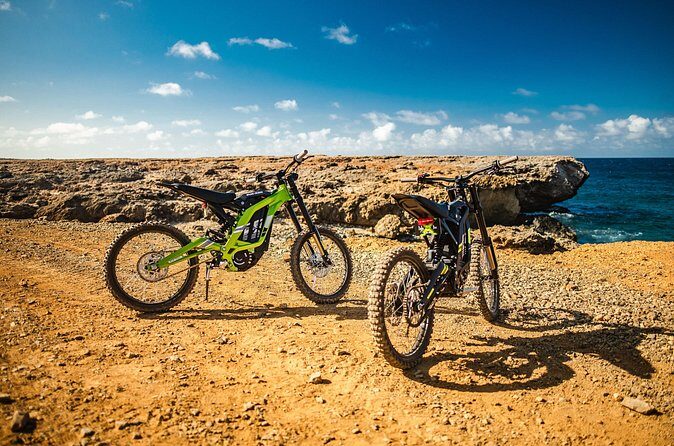
Wariruri Bay is next, reached after coastal views and the feeling of salt spray from splashing ocean waves. Even with a short stop, this is a strong “sensory” moment. You get the sound of the ocean, the smell, and that cool-air contrast when you pause near the water.
Secluded beaches like this are often why people pick a tour like this in the first place. You’re not only riding; you’re catching moments that feel personal, almost like Aruba is letting you in on the quiet parts.
After Wariruri, you keep riding along the rocky North coast and reach Alto Vista Chapel. This stop shifts from beach energy to a more peaceful, harmonious setting. You’ll get a historic explanation of the religious building, and that adds a different kind of value to the day.
This is a good moment to slow down mentally. Off-road riding works your body, but your eyes and attention also get tired. A quieter stop helps you reset so the final ride and finish feel satisfying instead of chaotic.
California Lighthouse Finish: The End Point You Can Actually Plan Around
The final attraction is California Lighthouse and the nearby Sasariwichi Dunes area. You’ll ride winding trails to reach this overlook, which helps you finish the day with a sense of arrival rather than a sudden cut-off.
At the lighthouse, you’ll learn more about the history of the landmark. The access fee for this final attraction isn’t included, so plan for that extra cost if you want to go inside or fully participate there.
This ending point also makes practical sense. The tour finishes at the California Lighthouse area, and if you used the tour pickup/drop-off system, you can wrap the day without hunting down a ride. If you drove your own car, they’ll transport you back to your car at the meeting point.
For me, that kind of ending is rare on active tours. It reduces stress when you’re tired and dusty, and it keeps the day from turning into a last-minute scramble.
Price and Value: Why $160 Feels Fair Here
At $160 per person, this tour is priced like an adventure, not a basic sightseeing add-on. The value comes from what’s included: the use of the Surron off-road electric bike, a certified local guide, bottled water, and helmet plus free pick-up and drop-off.
That bundle is the key. You’re not paying extra for the bike, safety gear, or the guiding portion that turns riding into something safe and meaningful. And with a maximum group size of 5, you’re getting time with the guide, not just a herd moving from point to point.
The tour also runs 3 to 4 hours. In tourism terms, that’s a solid chunk of time for a half-day experience that includes multiple stops, riding segments, and brief but purposeful breaks.
The only extra you might pay is the attraction admission at the lighthouse area. Everything else is included, including safety equipment and water.
If you’re deciding between this and a more standard ATV or UTV route, think about access. You’re on bikes, which often means you can get onto smaller trails that bigger vehicles can’t use. That can translate into more varied scenery and less crowded feel.
Riding Conditions, Mud, and What to Do Before You Go
Aruba can be sunny, but conditions change fast. After heavy rain, some trail sections can get muddy, and that’s part of the off-road reality. The good news is that the tour’s structure still works in those cases because the group rides together and the guide can slow things down when traction is lower.
What you should do beforehand:
- Wear long pants and long sleeves as required so you’re comfortable if your legs hit brush or wet ground.
- Use closed-toe shoes with grip.
- Bring a practical mindset. This is not polished pavement riding.
Your guide, Jonathan, is repeatedly described as patient, especially with riders who are nervous at first. That’s important because electric power can make people assume it’s effortless. The reality is you still need technique on rough terrain, and having someone guide you through it makes a big difference.
If you’re a confident rider already, you’ll still enjoy the scenic stops and the pacing. If you’re new, you can expect the tour to help you build confidence rather than just testing you.
Who This Tour Fits Best (and Who Should Rethink It)
This tour is a strong match if you like action. You want movement, fresh scenery, and a route that mixes beaches, viewpoints, and historic landmarks. You’ll probably enjoy it if you’re comfortable with moderate fitness and can handle uneven terrain.
It’s also a good option if you prefer smaller groups. With a maximum of 5 travelers, you’re more likely to get direct feedback and feel watched in the best way—focused on safety, not just timing.
I’d rethink it if:
- You don’t have a driver license.
- You want a low-effort, mostly flat walking itinerary.
- You dislike off-road surprises like uneven ground or muddy patches after rain.
If you’re traveling with family or friends, it’s also worth noting that the tour is popular with people who want a shared adventure with clear guidance, not a free-for-all.
Should You Book Epic Off-Road Surron Electric Bike Tour in Aruba?
I’d book it if your ideal Aruba day includes off-road riding, secluded beach scenery, and short stops that actually mean something. The combination of Surron e-bikes, small group size, and a guide who takes safety seriously is the real reason it earns top marks.
You’ll likely feel the value of the $160 price because the bike and gear are included, pickup and drop-off are free, and you get a focused 3 to 4 hour circuit on the North Coast. Just make sure you’re ready for the practical requirements: driver license, long pants/long sleeves, closed-toe shoes, and some moderate effort on rugged terrain.
If that sounds like your kind of day, this is a very solid choice.
FAQ
How long is the Surron electric bike tour?
The tour lasts about 3 to 4 hours.
What is the price per person?
The price is $160.00 per person.
Do I need a driver license to ride?
Yes. A driver license is required to participate.
Is pickup and drop-off included?
Yes, free pick-up and drop-off are included.
Where does the tour start and where does it end?
It starts at Epic Trail Bikes & Tours in Ayo, Aruba, and it ends at YumYum’s Place in Noord, Aruba near the California Lighthouse area.
What should I wear?
You must wear long sleeve shirts and long pants, and only closed-toe shoes are allowed.
Is there a helmet provided?
Yes. Helmets are included.
How many people are on the tour?
The tour has a maximum of 5 travelers.
Is the tour dependent on weather?
Yes, it requires good weather. If canceled due to poor weather, you’ll be offered a different date or a full refund.