REVIEW · ARUBA
Arikok Adventurous Hiking Experience in Aruba
Book on Viator →Operated by El Tours & Transfers · Bookable on Viator
Arikok National Park feels like Aruba without the resort filter. This hike pairs hotel pickup with an instructor-led walk through lava-and-limestone terrain, where you learn the local plants and wildlife as you go. Two big wins for me: the door-to-door convenience makes it easy to get off the coast, and the guide stop-and-point style (with frequent pauses) keeps the experience fun, not just scenic.
My one caution is that the trail is dusty and rocky in places, with cactus and some steps/stretches that can feel harder than you expect. If you don’t like uneven ground or you’re not comfortable in Aruba’s heat, you’ll want to plan your footwear and pace carefully.
In This Review
- Key Highlights You’ll Actually Feel on This Hike
- The Big Picture: What an Arikok Hike Really Is
- Meeting at 9:00am: Pickup That Sets the Tone
- Visitors’ Center: The Smart Warm-Up Before You Walk
- The Hike Through Arikok: Desert Terrain, Real Learning
- What “adventurous” feels like on the ground
- The Guides: Names You Might Meet and the Style You’ll Get
- Historical and Cultural Stops: More Than Just Plants
- Group Size: Small Enough to Hear, Big Enough for a Social Morning
- How Fit You Need to Be (And How I’d Self-Screen)
- What You Get Included (And What You’ll Need to Plan)
- Value for $57: Where the Money Actually Goes
- Weather and Timing: One Reason This Feels Easy to Book
- What to Pack and What to Expect on Your Feet
- Should You Book This Arikok Adventurous Hiking Experience?
- FAQ
- What time does the Arikok hiking experience start?
- How long is the experience?
- Is hotel or cruise pickup included?
- Is bottled water provided?
- Will I see Aruba’s endemic animals?
- What is the minimum age for this tour?
- How physically demanding is the hike?
- What happens if weather is bad?
Key Highlights You’ll Actually Feel on This Hike
- Hotel or cruise pickup and drop-off saves you the planning hassle and gets you into Arikok faster.
- Visitors’ Center exhibits introduce endemic animals you can watch for later on the trail.
- Ranger-led style nature talk includes named species like cododo and Shoco, not generic facts.
- Unique geology shows up in the trail itself, built from lava, quartz diorite, and limestone formations.
- Bottled water is included so you can focus on the hike instead of rationing supplies.
The Big Picture: What an Arikok Hike Really Is
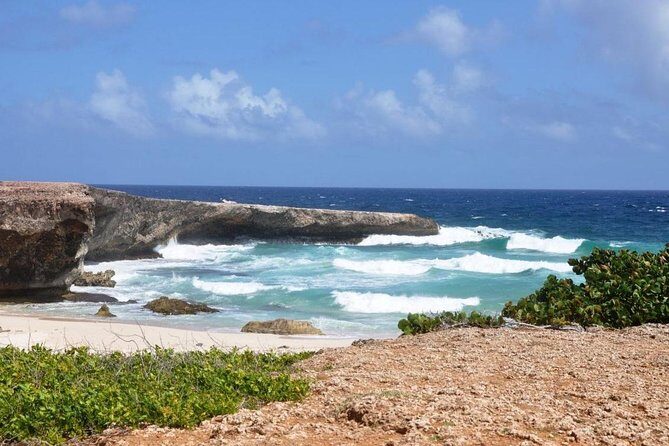
This isn’t a big, long-distance trek. It’s a guided outing designed to help you understand Arikok National Park in real time. You start with a drive from your hotel (or port), then you meet your guide at the Visitors’ Center and head out on a route that mixes desert terrain, short viewpoints, and enough walking to feel like you did something worthwhile.
At around 3 hours, the timing works well if you’re trying to fit nature into a beach-heavy Aruba schedule. And the price point is hard to beat for a guided, park-fee-inclusive experience, especially because the transport is part of the deal.
Other Arikok National Park tours in Aruba



Meeting at 9:00am: Pickup That Sets the Tone

The day starts at 9:00am, and the biggest “value move” here is how they handle logistics. You get hotel/port pickup and drop-off, so you’re not stuck figuring out a ride to Arikok on your own.
In practice, that makes the experience feel calmer. You’re not arriving stressed, you’re not hunting for meeting points, and you can settle into the experience while the drive sets up what you’ll see next. Some guides also use the ride to build context, like pointing out cultural landmarks along the way. That matters because it changes how you look at the rocks and vegetation once you’re in the park.
Visitors’ Center: The Smart Warm-Up Before You Walk
Before you hit the trail, you spend time at the Visitors’ Center. It has a modern, sustainable design and—more importantly—an exhibit that helps you spot animals you might otherwise miss.
This is where you learn the names behind the wildlife. The center highlights Aruba’s endemic species such as:
- Aruban whiptail lizard (cododo)
- Aruban cat eye snake (santanero)
- Endangered rattle snake (cascabel)
You’ll also get context on how these animals relate to Arikok’s unusual land forms. For me, this step turned the walk into something “see-and-understand,” not just see. Even if you’re not an expert, you’ll start noticing clues like movement, shapes, and habitat choices.
The Hike Through Arikok: Desert Terrain, Real Learning
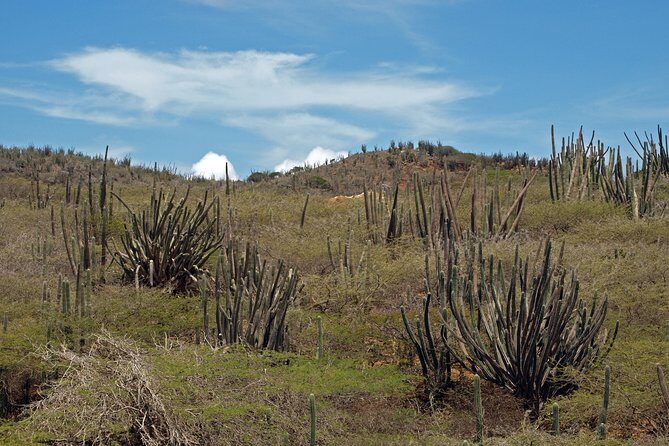
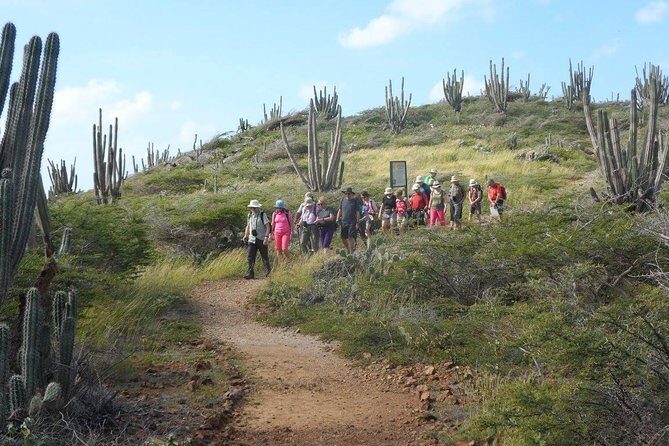
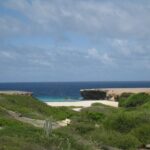
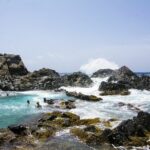
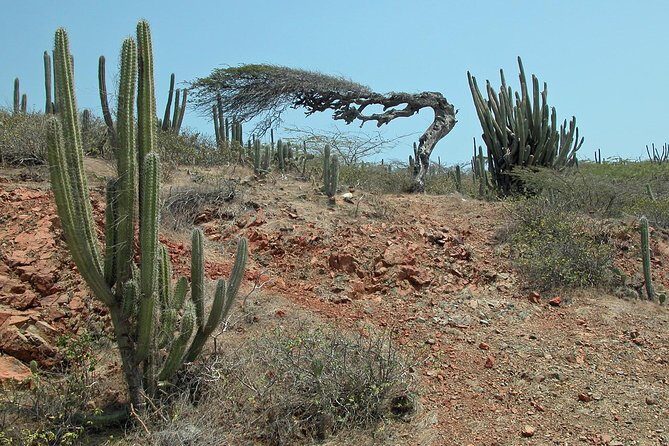
Once you meet your guide, you’ll hike with a ranger-style focus on flora, fauna, and historical sites. The key thing to know: the “adventurous” part is mostly about terrain, not extreme endurance. Think dusty, rocky footing, lots of cacti nearby, and a route that can include steps and a few medium inclines.
Guides often point out local species you can actually connect to the exhibit. You may see:
- Aruban burrowing owl (Shoco)
- Aruban whiptail lizard (cododo)
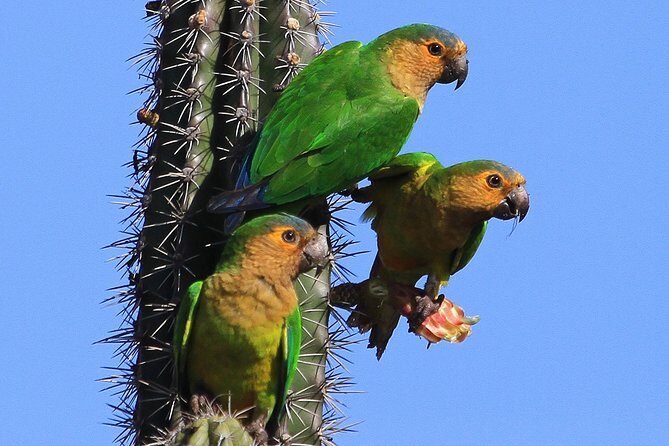
- Aruban parakeet (Prikishi)
- geckos and other birds
One review detail I’d treat as useful truth: don’t assume you’ll automatically see snakes. The park has wildlife, but Aruba’s desert conditions and the animals’ habits can make sightings hit-or-miss.
What “adventurous” feels like on the ground
Expect a mix of:
- rocky stretches
- dust (so plan for dirt on clothing/shoes)
- cactus in the margins (walk with awareness)
- sections with stairs or step-like climbs
Footwear matters here. Many people recommend pants and good sneakers, and to be mindful of cactus if you wander off the path. Some hikers even said good hiking boots might be more than you need, but you do want shoes with grip and comfort on uneven ground.
Other hiking tours in Aruba



The Guides: Names You Might Meet and the Style You’ll Get
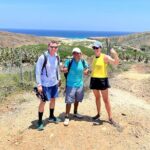
The experience is run by El Tours & Transfers, and the guide may be multi-lingual. While the description emphasizes a park ranger, the on-the-ground reality can vary—what’s consistent is that you get an instructor who explains what you’re looking at.
A few names you might hear:
- Josh (people loved his mix of humor and park-and-island storytelling)
- Brandon
- Ari
- Yuri
- Uri
- Chris
- Rambo
That guide personality changes the feel of the walk. In the best cases, you get short lessons tied to what’s right in front of you: why a plant grows where it does, how animals survive here, and how people historically used the land.
Historical and Cultural Stops: More Than Just Plants
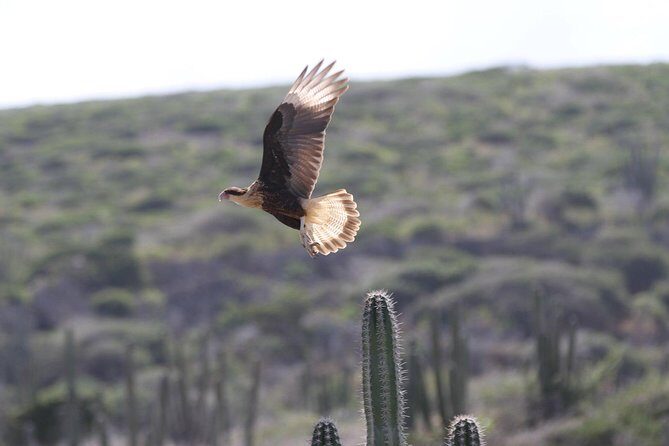
Arikok isn’t only about wildlife. During the hike (and sometimes on the drive), guides may reference historical and cultural elements.
Examples from the experience include:
- indigenous cave paintings
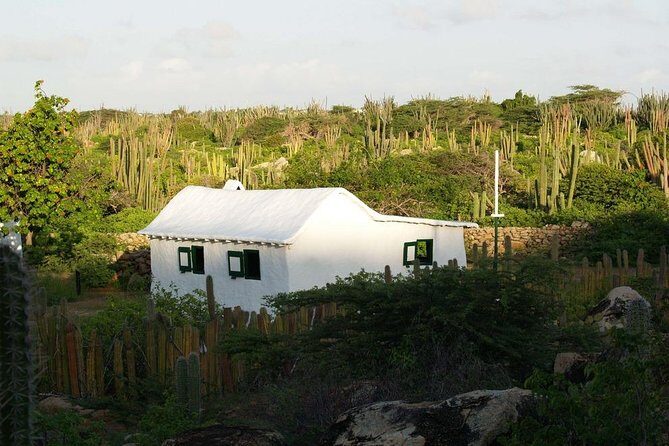
- an old adobe house
- a shaman site
- gold mining history within the park
- and, on some routes, stops near Ayo rock formation
You don’t need to be a history nerd to enjoy this part. The storytelling helps you understand why people cared about this area in the first place—and why conservation efforts matter now.
Group Size: Small Enough to Hear, Big Enough for a Social Morning
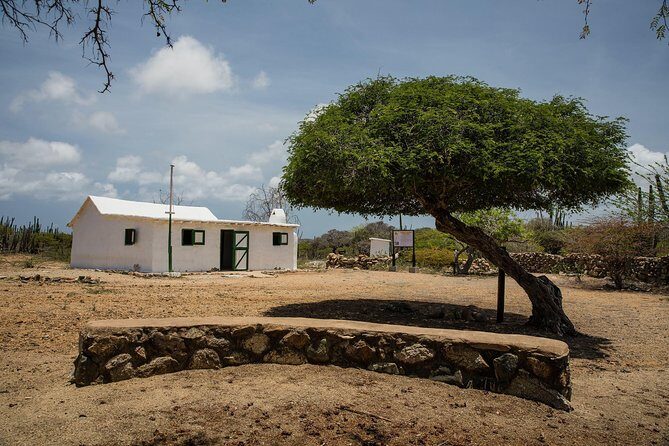
The tour caps at 25 travelers. In my view, that’s an advantage for a walking experience like this: it’s not a tiny private hike where you have zero chance to meet fellow travelers, but it’s not so large that you’re lost in the back.
Still, the best way to get the most out of the guide’s talk is simple: stay alert, and don’t lag behind during explanation stops. The pauses are part of the design, so use them. Ask questions if you have them, especially about plants that look harmless but aren’t.
How Fit You Need to Be (And How I’d Self-Screen)
The minimum age is 9, and children must be accompanied by an adult. The guidance also says this requires a strong physical fitness level, but the on-trail descriptions suggest a “workout-lite” feel for many people.
Here’s the practical way to judge it:
- If you’re comfortable walking for a couple hours on uneven desert ground with steps, you’ll likely be fine.
- If you avoid stairs or you know you struggle on rocky footing, you may find it slower and more tiring than you expected.
You can also use this self-check: if you can manage a stair-climb without stopping for breath, you’re probably in the right zone. One review mentioned the exertion level is mild, with only one bigger hill near the end—so it’s not a steady grind the whole time.
What You Get Included (And What You’ll Need to Plan)
Included:
- local taxes
- national park fees
- bottled water
- driver/guide and professional guide
- hotel/port pickup and drop-off
- the hiking experience
Not included:
- food and drinks, unless specified
So I’d plan to eat before you go, and treat the bottled water as your hike-time support, not a meal replacement. The tour is short enough that snack planning matters more for comfort than for survival.
Value for $57: Where the Money Actually Goes
At about $57 per person for roughly 3 hours, the value isn’t just the walk. It’s the combination of:
- paid park access
- guide interpretation
- transport to and from the park
- water included
If you’ve ever tried to build this yourself—driver, park fees, a guide to explain species and geology—you’ll feel how quickly costs stack up. Here, you’re paying for “someone to translate Arikok for you,” plus the logistics to get there without stress.
Weather and Timing: One Reason This Feels Easy to Book
This experience requires good weather. If it’s canceled due to poor weather, you’ll be offered another date or a full refund.
That matters on Aruba because conditions can shift fast, and a muddy or rainy desert can change traction and comfort. If you’re flexible with dates, this format works nicely: you’re not locked into a single fixed activity no matter what the sky does.
What to Pack and What to Expect on Your Feet
Based on what’s repeatedly emphasized, pack for dust, rocks, and cactus awareness:
- wear pants
- bring good sneakers with grip
- stay mindful of where you step near cactus
You should also assume you’ll get some dirt on clothing. That sounds obvious, but it’s not trivial—your shoes and hemline will know you were in the desert.
Should You Book This Arikok Adventurous Hiking Experience?
If you want an easy-to-manage way to see Arikok National Park with guided interpretation, I’d book it. It’s a strong choice for first-timers because the Visitors’ Center setup helps you learn names like cododo (whiptail lizard) and Shoco (burrowing owl), and then you’re actively looking for them on the trail.
Skip it if you:
- need fully flat walking terrain
- hate uneven, rocky, cactus-adjacent paths
- are expecting a long, strenuous trek
It’s also a great fit for people who want to swap a morning of resort time for real island detail—geology, plants, wildlife, and a bit of human history—without turning the day into a marathon.
If you’re ready for a guided desert walk that teaches as you go, this is the kind of Aruba activity that sticks with you long after the photos.
FAQ
What time does the Arikok hiking experience start?
The start time is 9:00am.
How long is the experience?
It runs for about 3 hours (approx.).
Is hotel or cruise pickup included?
Yes. Hotel/port pickup and drop-off are included.
Is bottled water provided?
Yes. Bottled water is included.
Will I see Aruba’s endemic animals?
You’ll meet at the park with animal exhibits at the Visitors’ Center, and during the hike you can learn about and potentially spot species such as cododo, Shoco, and others mentioned for Arikok.
What is the minimum age for this tour?
The minimum age is 9, and children must be accompanied by an adult.
How physically demanding is the hike?
You should have a strong physical fitness level. The hike is described as having uneven desert terrain with features like steps and rocky areas, so good footwear and a steady pace help.
What happens if weather is bad?
The tour requires good weather. If it’s canceled due to poor weather, you’ll be offered another date or a full refund.