REVIEW · ARUBA
Aruba Glass Bottom Kayak Tour through the Mangrove Forest
Book on Viator →Operated by Clear Kayak Aruba · Bookable on Viator
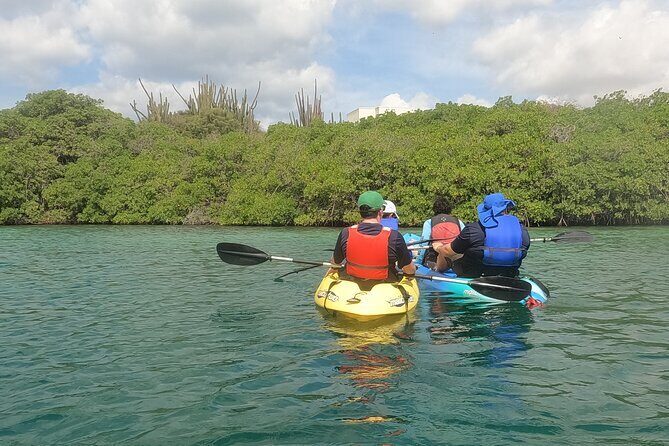
Mangel Halto turns out to be a smarter starting point than it sounds. You paddle Aruba’s coast on a glass-bottom tandem kayak, guided by locals who point out coral and fish along the way, with a small-group feel that makes the experience feel personal. I especially liked how the guides bring the water and mangroves to life with live commentary in multiple languages.
Two things I really liked: the fruit and water included mid-tour keeps things relaxed, and the scenery around Mangel Halto has that rare Aruba contrast of mangroves, coral, and open water views in one outing. The main drawback to consider is expectation vs. reality: it’s not a long, protected mangrove river paddle every time, and in rougher seas the “clear-bottom wow” can be less clear while the kayak may take on water.
In This Review
- Key things to know before you go
- Mangel Halto start: the calm, quiet part of Aruba
- Price and value: what $70 really buys you
- The clear kayak tour: paddling the coast and possible Isla di Oro stop
- Santo Largo: big mangrove trees and a reality check
- Mangel Halto Beach return: coral, views, and a short rest
- Guides, safety, and the multi-language storytelling that makes it click
- What can go wrong: wind, waves, and the tandem challenge
- Who should book this and who should skip it
- How to get the best experience from the start
- Should you book the Aruba Glass Bottom Kayak Tour?
- FAQ
- Where is the meeting point?
- How long is the tour?
- What’s included with the tour?
- Do I need to know snorkeling?
- Is transportation like pickup included?
- Is there an age/weight or fitness requirement?
Key things to know before you go
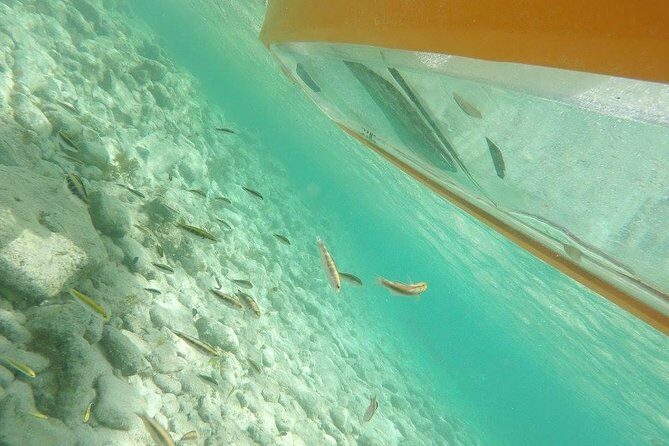
- Small group size (max 6) means you’re not getting swept along like cargo.
- Tandem glass-bottom kayaks are great for photos, but you’ll still paddle as a team.
- 2 miles / 3.2 km of paddling is your core workout, not a slow drift.
- Plan B can happen when wind and waves are up; some guides adjust the route or add a reef stop.
- Santo Largo is short (about 15 minutes), so it’s more about the big mangrove trees and the view than a long beach break.
- Sea conditions matter a lot for comfort and for how well you can see through the glass bottom.
Mangel Halto start: the calm, quiet part of Aruba
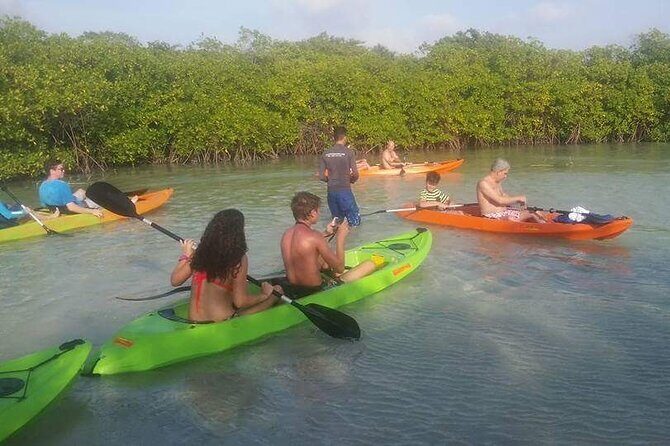
Your tour starts at Mangel Halto Beach. This matters more than it sounds, because it’s the jump-off point for the less-resort side of Aruba that you don’t see from the usual strip. The meeting point is straightforward: you show up on your own at Mangel Halto, then you’re kitted out and launched back-to-back with the group.
One practical detail: the boats are tandem (two people per kayak). That’s usually a good match for couples and friends, and it also means beginners can get through it without feeling totally lost. Still, you should be ready to cooperate with your paddle partner. Several people noted the tandem setup can be tricky early on, especially if you’re not used to coordinating strokes.
From the first minutes, you’ll learn the vibe of the outing. Guides spend time making sure you understand the basics, and they’re the ones shaping the route. In a few reviews, guides were careful about safety when seas got choppy, and in at least one case they helped people manage the return by linking kayaks when waves made paddling harder.
Other kayak and mangrove tours in Aruba

Price and value: what $70 really buys you
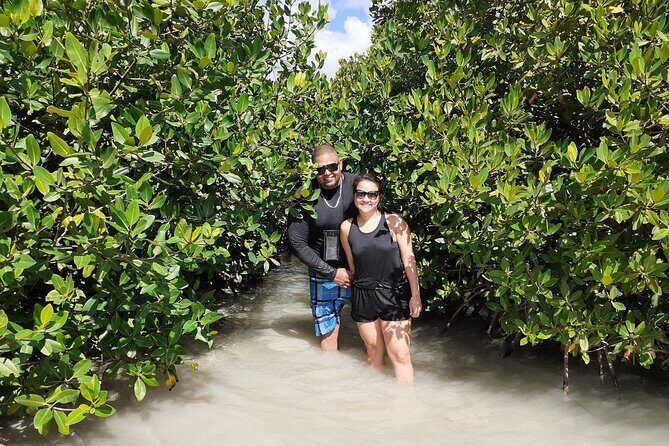
At $70 per person, this isn’t a bargain excursion, but it’s also not priced like a fancy yacht trip. What you’re really paying for is a focused, guided time on the water—about 1.5 to 2 hours total—plus the “see the ocean floor” experience through the glass-bottom kayak.
Here’s the value angle that matters day-to-day:
- You get guided time with live commentary in English, Spanish, and Dutch.
- You’re provided fruit and water, so you don’t need to carry snacks for a half-day.
- You’re getting 2 miles / 3.2 km of actual paddling, not just sitting and touring.
- The group stays small (maximum 6), which usually means better attention if conditions change.
Another value win: some guides seem to care about photos and comfort. People mention waterproof phone handling and guide help with navigation when the water got rough. Those details add up when your “vacation day” is only a couple hours long.
One thing to keep in mind: snorkeling isn’t listed as included, but some guides adjust the day in windy/choppy conditions and swap in a reef/snorkel moment. That doesn’t mean it will happen every time, but it does suggest the guides are thinking about what you can safely experience that day.
The clear kayak tour: paddling the coast and possible Isla di Oro stop
The centerpiece is a 2-mile paddle along Aruba’s shoreline. You’ll launch from Mangel Halto and follow the coast in a way that balances scenery with motion. This is where the glass bottom can shine—when the water is calm enough and the kayak is positioned well.
There’s also a conditional stop: if sea conditions permit, you may stop at Isla di Oro (Gold Island) before continuing toward the beach area. That’s your “scenery shift” moment—more open-water views and a different stretch of coastline—without turning the tour into a long expedition.
In real-world conditions, the water can decide the outcome. Several people said their guides evaluated wind and chop on the spot. One review described a scenario where the guide recommended against clear-bottom kayaking because of strong winds and choppy seas, and instead paddled out to a smaller dock to snorkel in clearer water. That’s not guaranteed, but it’s a useful lesson: this tour is guided, not rigid. The goal is the marine life and the experience, not forcing the glass-bottom view at any cost.
Two caution notes based on the reports:
- In rougher water, the glass-bottom visibility may be reduced, and you may see less than you hoped.
- The kayak can take on water if it’s not faced properly into waves. One person blamed the water ingress on positioning, which is a reminder to listen closely to how your guide wants you to sit and paddle.
Santo Largo: big mangrove trees and a reality check
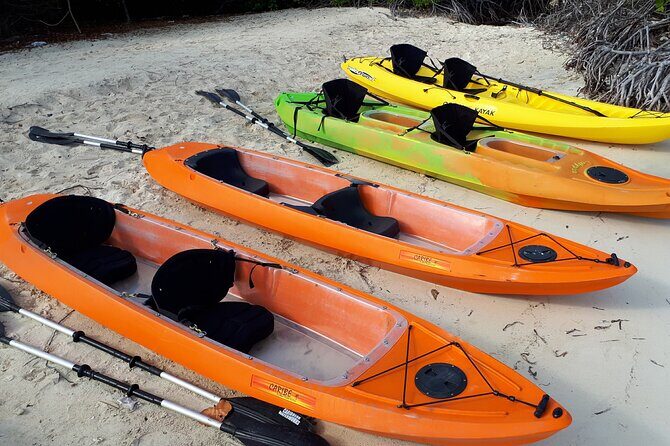
Santo Largo is the “away from the crowds” stop. It’s secluded and timed at about 15 minutes, so think quick photos, a breather, and a closer look at the shoreline mangroves rather than a long lounge session.
This is also where the tour lives up to its mangrove promise in the most tangible way. Santo Largo is described as home to the largest mangrove trees on the island, and people who like mangroves usually appreciate this brief moment of scale. The trees change the whole feel of the waterline—more texture, more shadows, and that sense of a living shoreline even when you’re still in open water.
That said, there’s an expectation issue you should be aware of. Some people felt the tour is not a deep mangrove-forest paddle through channels the way they expected from the title. Instead, it can feel more like paddling along the coast with mangroves near you, plus open-water stretches farther out. If you’re dreaming of a long river-style kayak through mangrove tunnels, you may leave with a slightly different picture than you planned.
If you can accept that you’re seeing mangroves from the edge and combining them with coral and open-water views, then Santo Largo works well as a highlight pause.
Mangel Halto Beach return: coral, views, and a short rest
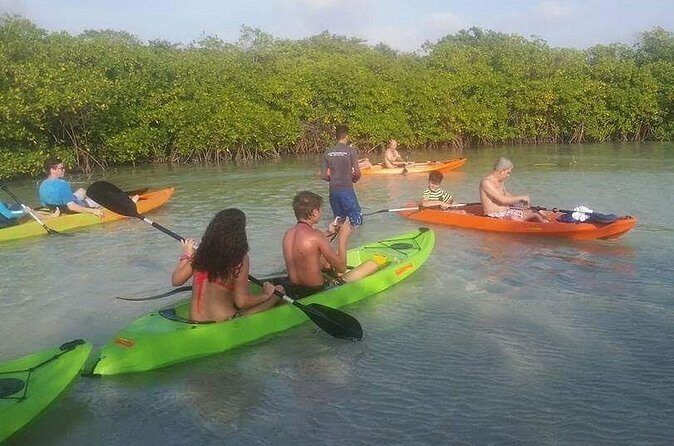
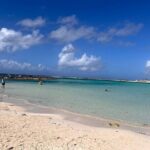
After the paddling loop, you return to Mangel Halto Beach, with another stop built in. Time on the beach is about 30 minutes. This part is less about strenuous effort and more about grounding the experience in place: mangroves close to shore, coral reef visibility, and the kind of Aruba views that feel quieter than the higher-rise areas.
People also report seeing marine life right in the water around the route—things like coral and small reef creatures. One review mentioned spotting a conch and upside-down jellyfish, though you shouldn’t assume you’ll see any specific animal. The consistent theme is that the guide keeps your eyes moving: coral, fish shapes, and the way the water changes across stretches.
This is also where the included refreshments come in handy. With fruit and water already part of the tour, you’re not forced to buy something quickly just to keep your energy up.
If conditions were rough earlier, this beach time can be genuinely useful. It’s a reset—time to sit, dry off a bit (if you got spray), and swap stories with your guide and your paddle partner.
A few more Aruba tours and experiences worth a look


Guides, safety, and the multi-language storytelling that makes it click
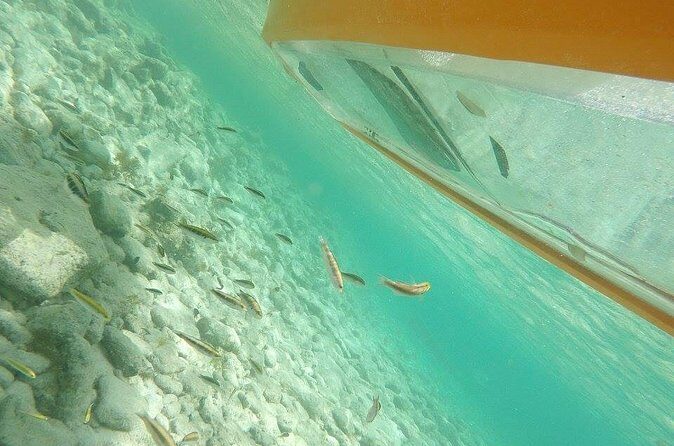
What makes this tour worth returning to is the human factor. Multiple names come up in the reviews, and the pattern is consistent: guides are friendly, professional, and focused on safety.
Here are a few examples of guides mentioned in real experiences:
- Zenon is described as pleasant and professional.
- Mick shows up with strong praise for kind, safe guiding.
- JD, plus Elijah, are credited with navigating slightly rough water while keeping people comfortable.
- Cesar and Lee are noted for attention to novices and clear local storytelling.
- Daniel and Arvid/Arvin, Drake, Darwin, and Jeandrick also appear in reviews praising both route guidance and marine-life explanations.
Even if you don’t remember every name, you’ll feel the approach: they guide you through what to do, not just where to go. One review mentioned help with paddling back when seas got rough, including a method of linking kayaks to make the return easier. Another talked about a guide who took steps to keep phones safe in a waterproof bag, and who also offered help when a kayak became submerged.
The live commentary in English, Spanish, and Dutch adds another layer. If you understand none of those languages, it still helps because the guide’s pointing and pacing teaches you what to watch for.
What can go wrong: wind, waves, and the tandem challenge
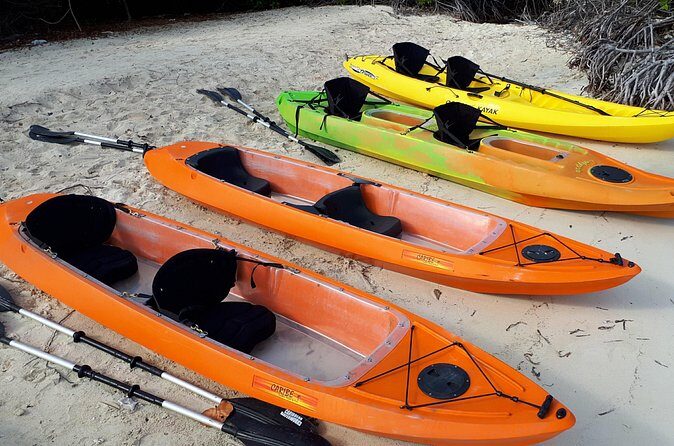
This is an outdoor water activity, so yes, things can go sideways. The tour itself runs only when weather allows, and the operator notes that good weather is required. If they cancel due to poor weather, you should be offered a different date or a refund.
Still, even on a decent day, you can get chop. Several reports mention the water being choppy at points, and that’s where your experience can swing:
- Glass clarity drops if the water is rougher or the glass has scratches.
- Kayak water ingress can happen in waves if your kayak is not positioned correctly into the swell.
- Paddling coordination becomes more difficult in a tandem kayak when conditions demand more steering.
There’s also an execution issue that popped up in a couple comments. One person said meeting instructions weren’t clear and they spent time waiting in hot sun while the group sorted logistics. Another described a safety/gear failure where a kayak sank and the group had to swim to shore in rough conditions, which is the sort of outcome you definitely want to avoid.
So my practical advice: if the sea looks aggressive, listen hard to the guide’s assessment. In multiple reviews, guides made call-outs about safe route choices or warned against clear-bottom kayaking when conditions weren’t right.
Who should book this and who should skip it
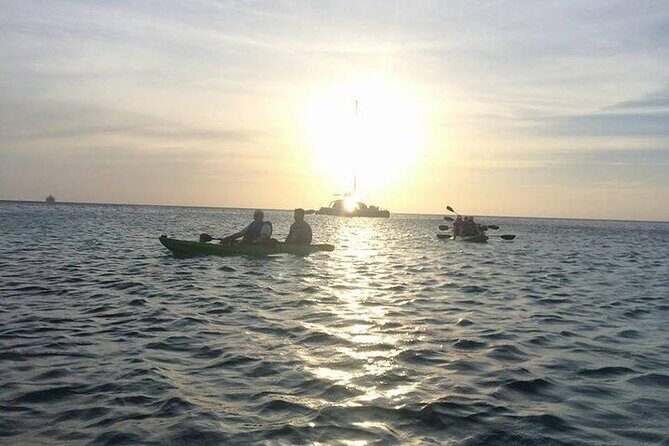
This tour is a great fit if you want:
- A small-group, guided paddle in an Aruba setting that isn’t all the high-rise beachfront.
- A workout that’s real but not marathon-length: about 2 miles of paddling.
- A way to see the seafloor and reef life without being fully submerged.
- Guide-led storytelling that makes mangroves and coral feel less like random scenery.
It’s also a strong pick for people who like being out with a purpose—paddling, looking, learning, and then relaxing at the beach.
You might want to skip or consider a different style of tour if:
- You specifically want a long river-style mangrove paddle far from open water.
- You’re nervous about paddling in wind or chop, because the open-water stretches can be a factor.
- You’re not comfortable sharing control in a tandem kayak (especially if you’re both beginners).
- You’re above 200 lbs, since the tour says it’s not for travelers over that limit.
The “mangrove forest” name can mislead. The best way to think of it: you’re touring Aruba’s coast where mangroves meet reef-and-open-water—and the guide decides how much of each you can safely do on the day.
How to get the best experience from the start
You can’t control the ocean. You can control your setup and attention.
Here are the best habits supported by the reports:
- Follow the guide’s instructions on how to face waves. When people had issues with the kayak taking on water, it often came down to not being positioned correctly into wave action.
- Take the glass-bottom as a bonus, not a guarantee. On choppier days, guides may change the route or the method (including reef time) so you still get a good experience.
- Expect coordination. Because the kayaks are tandem, your comfort will be better if you paddle like you’re on the same rhythm, not just two people trying to do separate strokes.
- Ask for the safe route choice without arguing. Guides like Mick and JD were praised for navigation and keeping people calm when the water got rough. That’s not a vibe to fight.
If you care about seeing fish clearly, pick your day well. When conditions are calmer, the glass-bottom effect tends to land better.
Should you book the Aruba Glass Bottom Kayak Tour?
Yes, I’d book it if you want a guided, small-group kayak that mixes mangroves, coral, and open-water views—and you’re okay with the fact that the ocean drives the exact route. The included fruit and water, the multilingual live commentary, and the strong guide reviews (Zenon, Mick, JD, Elijah, Lee, and more) are the kind of details that usually separate a fun outing from a frustrating one.
I’d think twice if you’re chasing a very specific dream: lots of deep mangrove channels and a perfectly clear glass view in any weather. This tour can be more open-water than some people expect, and when conditions get choppy, the clear-bottom effect can be less impressive.
In short: if you’re flexible, you’ll likely have a great time. If your perfect day requires calm backwater only, you’ll want to be selective about weather or consider a different style of water activity.
FAQ
Where is the meeting point?
The tour starts at Mangel Halto, Aruba, and it also ends back at the same meeting point.
How long is the tour?
Plan for about 1 hour 30 minutes to 2 hours total.
What’s included with the tour?
You’ll get a guided tour by glass-bottom kayak, use of a double (tandem) kayak, fruit and water, and live commentary in English, Spanish, and Dutch. The paddling distance is 2 miles / 3.2 km.
Do I need to know snorkeling?
Snorkeling is not listed as included. If your guide adjusts the day in certain conditions, you might experience reef time, but you should not plan this as a snorkeling tour.
Is transportation like pickup included?
Pickup and drop-off are not included, but they can be arranged for an extra charge.
Is there an age/weight or fitness requirement?
The tour says you should have moderate physical fitness. It’s not for travelers over 200 lbs, and children must be accompanied by an adult.