REVIEW · ARUBA
Aruba North Coastline: Small-Group Horseback Riding Tour
Book on Viator →Operated by The Gold Mine Ranch Horseback Riding Tours · Bookable on Viator
Ride Aruba by horseback.
This small-group tour trades beach lounging for ocean views, a gold-rush stop at Bushiribana Gold Mill Ruins, and a beach-and-dunes ride at Wariruri Bay. I also like that the guides build real confidence fast with clear riding instructions, and the horses are calm enough for beginners. One thing to consider: the route is partly trail and rocky sections, so it is not one long all-beach gallop.
You’ll do this as a relaxed late-afternoon excursion, starting at 4:00 pm from the Gold Mine Ranch in Paradera (Matividiri area), then heading along the northern coast and returning to the same meeting point. Expect about 1 hour 30 minutes to 1 hour 40 minutes in total riding time, plus time for instruction and stops. Bring the right clothes—long pants and firm shoes—and skip hats, because the operation is strict about safety gear and fit.
In This Review
- Key things that make this ride worth your time
- What You’re Really Buying: a North-Coast Ride With Real Variety
- Price, Timing, and Group Size That Actually Matter
- First Stop at the Ranch: Instructions Before You Mount
- Leaving Matividiri: Ocean Views Right From the Start
- Bushiribana Gold Mill Ruins: Gold-Rush History Without the Museum Feeling
- Wariruri Bay: Beach, White Sand Dunes, and the Baby Natural Bridge
- Guides and Horses: What You Should Expect From the Operation
- What to Wear and Bring (So You Don’t End the Ride Miserable)
- Is This Tour Good Value for Your Aruba Trip?
- Should You Book the Aruba North Coast Horseback Riding Tour?
- FAQ
- How long is the Aruba North Coast Horseback Riding Tour?
- What time does the tour start?
- How many people are in the group?
- What’s included in the price?
- Are helmets provided?
- What should I wear?
- What if the weather is bad?
Key things that make this ride worth your time
- Max 10 riders: small group means more watchful guiding and a calmer pace.
- North-coast views on horseback: you get ocean angles most visitors never see.
- Bushiribana Gold Mill Ruins on the route: Aruba’s gold-rush era becomes a real roadside story.
- Wariruri Bay beach and dunes: white-sand sections plus the baby natural bridge photo moment.
- Photo help built in: your guide and photographer help with pictures using your phone.
- Short-but-full excursion timing: 4:00 pm start avoids the hottest part of the day.
What You’re Really Buying: a North-Coast Ride With Real Variety
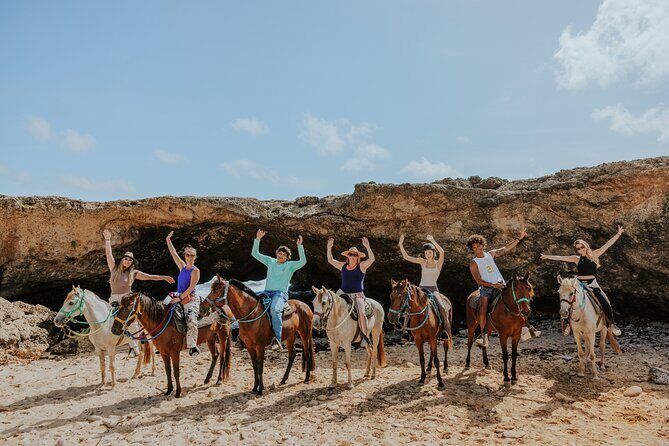
This tour is for people who want more than a quick trail loop. Aruba’s north coast has a different feel than the postcard beaches most people aim for, and horseback is the practical way to reach some spots without buses rolling in.
The ride has three big ingredients. First, you start at the ranch and get instruction so you know what to do once you’re mounted. Second, you travel along the coast with ocean views and planned stops. Third, you get a more dramatic finale at Wariruri Bay, where beach riding and sand dunes show up.
That mix matters. If you just want exercise, you might find the pace easy. If you want views and story stops, you’ll like the rhythm: move, pause for photos, then move again.
Other horseback riding tours in Aruba
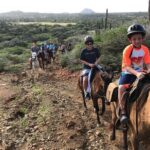
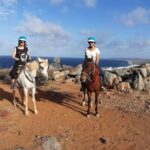
Price, Timing, and Group Size That Actually Matter
At $100 per person, this is not a budget add-on. But for Aruba, it is often strong value because you get more than “walk the horse in a line.” You get a small-group cap of 10, planned viewing stops, and included essentials like bottled water and safety/riding instructions.
The time window also helps. The tour starts at 4:00 pm, with arrival at 3:30 pm and riding instructions beginning at 3:30 pm. That timing usually means a cooler breeze from the water and better light for photos—especially when you reach the beach areas later in the ride.
You’ll also want to plan around the fact that the price does not include private transportation. Still, the tour lists an air-conditioned vehicle, and you can contact them with your hotel information for your pick-up time. In plain terms: you might get convenient transportation, but you should confirm details with the provider.
First Stop at the Ranch: Instructions Before You Mount
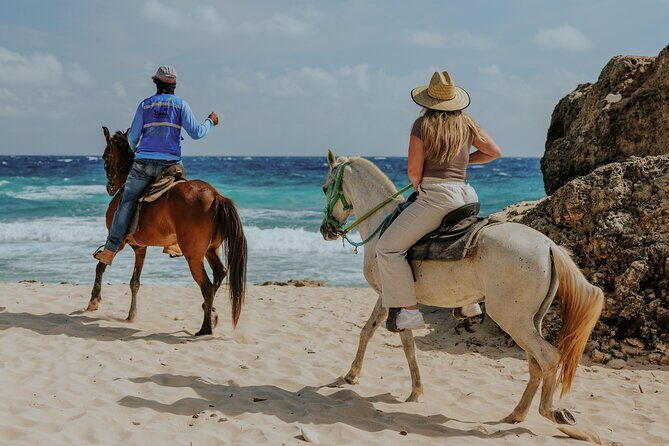
Your experience begins at the Gold Mine Ranch Aruba in Matividiri (Paradera). Before anyone mounts up, you get riding and safety instructions. This is not a tiny lecture. They require instruction time so you can handle the basics—how to manage your horse and what to do when the group moves.
I like this approach because it reduces the guesswork. For a beginner, that means fewer moments of panic and more time to relax into the ride. For experienced riders, it keeps things consistent and safer for everyone moving single-file along the route.
You’re also given the riding setup: tack is provided, and helmets follow a clear rule. Helmets are optional for adults but mandatory for children. If you’re even slightly unsure about fit or comfort, bring a quick attitude check: helmets and proper footwear are part of making the ride enjoyable, not just “rules to follow.”
Leaving Matividiri: Ocean Views Right From the Start
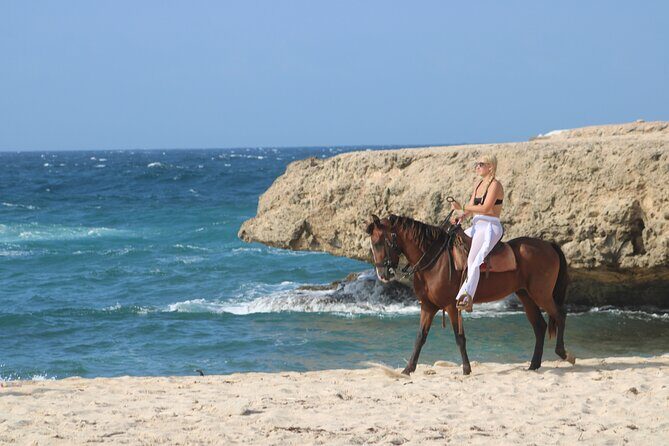
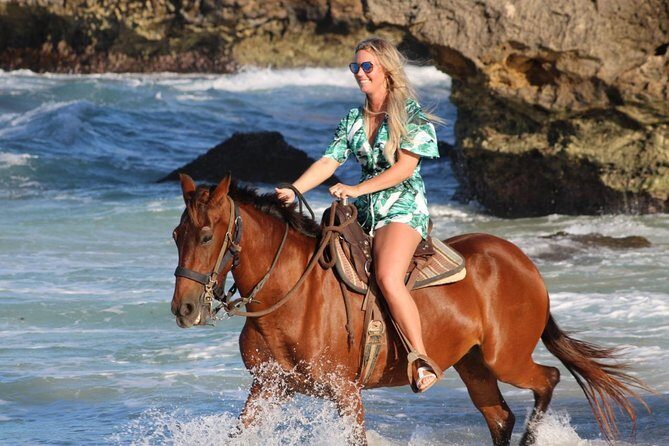
Once you’re mounted, you start in the area right beside the ranch on Aruba’s northern coast, so the ride immediately turns toward water views. This is one of the most satisfying parts because you do not spend the first half-hour staring at cactus and sand with no payoff.
From there, the route sets up your expectation for the full trip: you’ll move through different ground types—some of it more trail-like—and you’ll stop for photos when the scenery warrants it. One review mentioned they had a personal guide and even help with phone photos, which fits what the tour is set up to do.
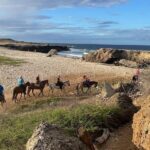
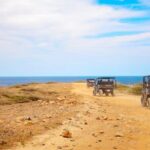
Keep your expectations realistic. The “beach horseback riding” part is a big highlight, but the overall track includes trail and rocky desert sections. Think of it as a mixed-surface coastal adventure, not a resort-style guided stroll that stays on one perfect sandy lane the entire time.
Bushiribana Gold Mill Ruins: Gold-Rush History Without the Museum Feeling
One of the best parts of this tour is the planned pass by the Bushiribana Gold Mill Ruins. Instead of treating history like a lecture, the guide frames it as something you can see while you’re on your way along the coast.
The gold mill is tied to Aruba’s gold rush era, when ore from nearby hills was processed at the abandoned mill. Even if you’re not a history buff, it gives context for why this coastline has the structures and shapes it does. It also breaks up the ride so you’re not only thinking about your seat and the reins.
This stop also helps your pacing. A photo break at a historic landmark changes the whole feeling of the ride. You get a “how did they build this” moment, then you’re back to moving—fresh eyes and less monotony.
Other island sightseeing tours in Aruba

Wariruri Bay: Beach, White Sand Dunes, and the Baby Natural Bridge
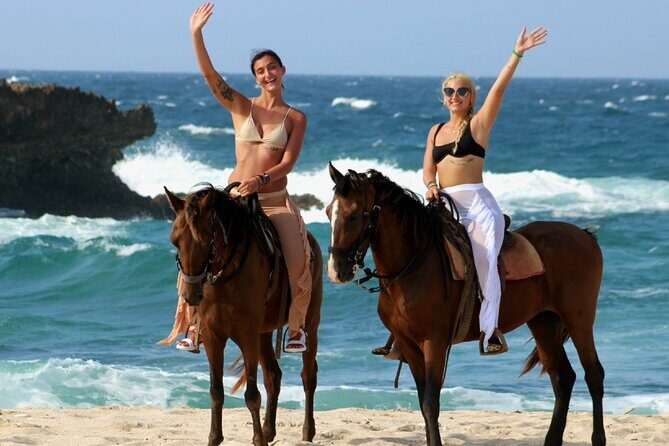
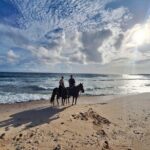
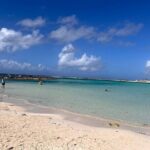
The highlight for many riders is the Wariruri Bay section. This is where the tour leans into what you came for: riding through beach terrain with sand dunes and a dramatic coastal vibe.
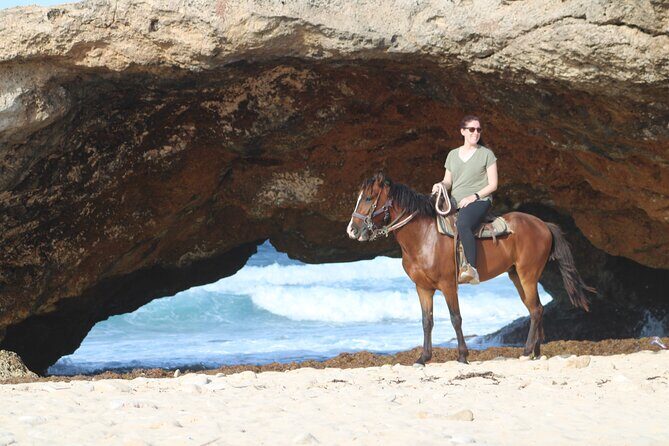
You can expect a section described as galloping through white sand dunes, plus time to pose under the baby natural bridge. If your goal is photos, this is where they matter most. The tour includes photo help, and reviews note that guides and a photographer assist with pictures using your phone.
A quick reality check: the overall ride isn’t guaranteed to be nonstop. One shorter review pointed out that the riding can be single-file and include walking through parts of the route. That does not mean it’s bad—it just means the experience is managed for safety and animal behavior, and the beach time may come in segments rather than as one continuous sprint.
If you’re okay with that, you’ll likely love the feel of this part: the sea breeze, the softer sand, and the “we’re really out here” feeling you do not get from a bus stop.
Guides and Horses: What You Should Expect From the Operation
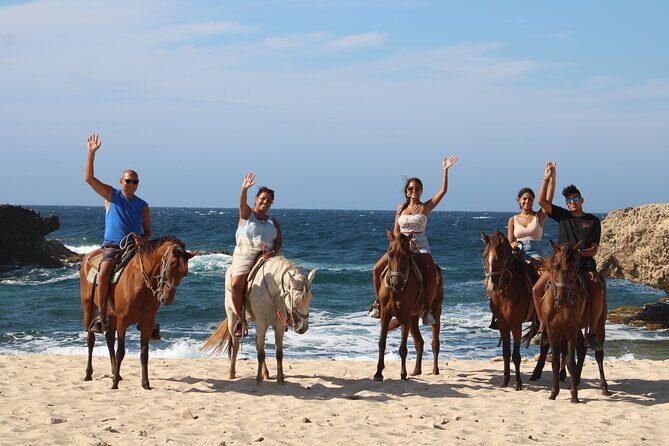
The tour emphasizes safety instructions, calm handling, and care for the horses. Reviews strongly repeat themes like well-trained horses and guides who watch the group closely. That matters a lot in a small-group format.
It is also clear that guides bring personality. Names that show up in reviews include Jeanrick and Jesus, and one rider specifically mentioned a guide named Elegance. Even if you do not get those exact guides, the pattern is consistent: guides provide clear coaching, keep things safe, and handle photo stops along the way.
What I think makes this tour work is that it’s not just “mount and go.” It’s guided enough that first-timers usually feel steady, and it includes enough open moments to feel like you’re riding, not only being led.
And yes, horses can spook or react anywhere in the world. But the repeated emphasis on well-mannered horses suggests you’re not stepping into chaos.
What to Wear and Bring (So You Don’t End the Ride Miserable)
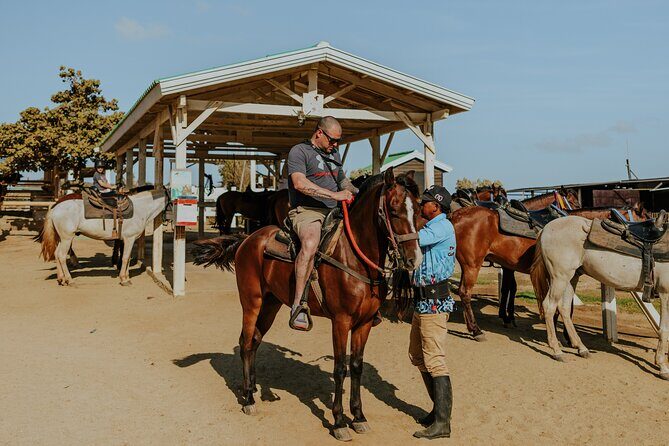
Aruba’s sun and sandy terrain can punish sloppy clothing. Here is what the tour specifically asks for:
- Long pants strongly advised
- Firm shoes recommended
- No hats allowed
- Water included (bottled water)
For practical packing, wear breathable long pants even if you think you’ll be warm. Sand and friction matter, and long pants help you stay comfortable during movement over mixed ground. Shoes need grip; flip-flops are a bad idea on uneven terrain.
If you’re traveling with kids, remember helmets are mandatory for children, so plan for comfort and fit. Adults can skip helmets, but I’d still consider wearing one if you’re sensitive about head support or sun angles.
Finally, bring your phone charger plan. The ride includes photo stops and phone photography help, and you’ll use your camera app more than you think once Wariruri Bay shows up.
Is This Tour Good Value for Your Aruba Trip?
This is a good booking when you want three things at once:
1) A different Aruba experience than the typical beach-only day
2) Small-group personal attention (max 10)
3) Coastline access that feels off the main tourist track
It’s not ideal if you expect a strictly beach-only ride for the full duration. Some routes include walking and single-file movement, and the tour description and ride patterns reflect controlled safety and group handling.
It can also be a poor fit if you want a purely athletic, long-duration ride. You’re getting about 1 hour 30 minutes to 1 hour 40 minutes, plus instruction and stops. That’s enough for an adventure, but it’s not an all-day horseback commitment.
One more key practical point: there is a weight limit. The tour data states 220 lbs per rider as the limit, and also includes a separate mention of 225 lbs in the pricing notes. Don’t guess. If you’re close to the limit, contact the provider before you book so you’re not turned away at check-in.
Should You Book the Aruba North Coast Horseback Riding Tour?
I’d book it if your Aruba plan includes at least one “do something” day, not just a beach chair. The combination of north-coast scenery, a Bushiribana Gold Mill Ruins history stop, and the Wariruri Bay dunes and natural bridge makes it feel like a real route, not a generic ride.
Skip it if you need a beach-only, nonstop gallop experience. Also, if weather looks questionable, you’ll want a backup plan because the tour requires good conditions.
If you’re a beginner, this is one of the smarter ways to try horseback in Aruba, because instruction comes first and the operation is set up for small groups. If you’re an experienced rider, you may find the pace moderate—but you’ll still get the views and the special stops.
FAQ
How long is the Aruba North Coast Horseback Riding Tour?
It runs about 1 hour 30 minutes to 1 hour 40 minutes.
What time does the tour start?
The start time is 4:00 pm. You should plan to arrive by 3:30 pm for riding instructions, which start at 3:30 pm.
How many people are in the group?
The tour has a maximum of 10 travelers, keeping it small and more personal.
What’s included in the price?
Included are bottled water, use of horseback riding tack, riding and safety instructions, and air-conditioned vehicle support. Helmets are provided, with rules by age.
Are helmets provided?
Yes. Helmets are optional for adults but mandatory for children.
What should I wear?
Wear long pants and firm shoes. No hats are allowed.
What if the weather is bad?
The tour requires good weather. If it’s canceled due to poor weather, you’ll be offered a different date or a full refund.